Can portable oxygen concentrators be used for chronic obstructive pulmonary disease (COPD)?

Portable oxygen concentrators are widely used in patients with chronic obstructive pulmonary disease (COPD), bringing many conveniences and improvements to their treatment and lives. The following will introduce in detail the application of portable oxygen concentrators in COPD.
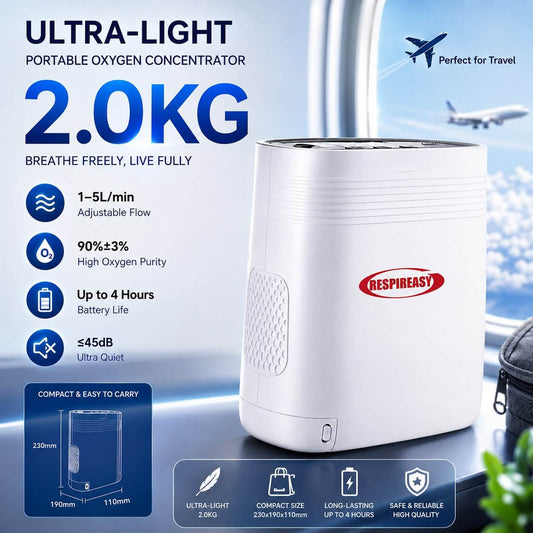
Best Sales Portable Oxygen Concentrators Recommendation:
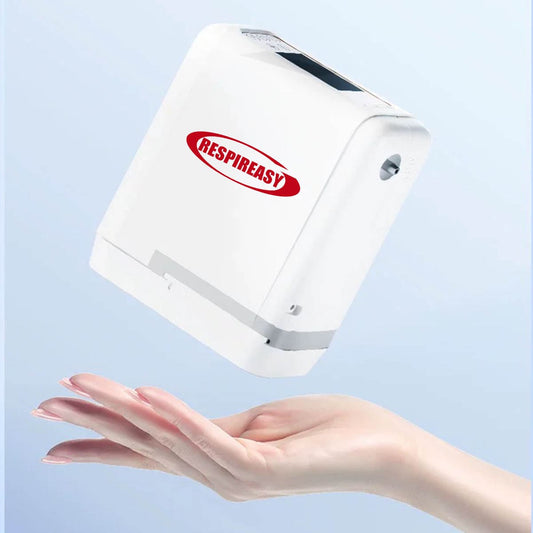
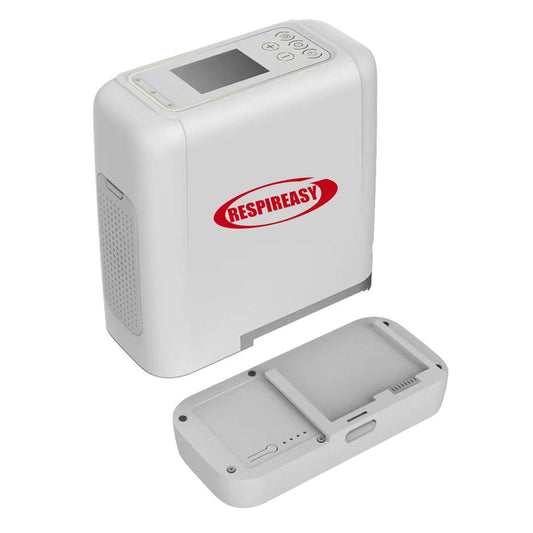
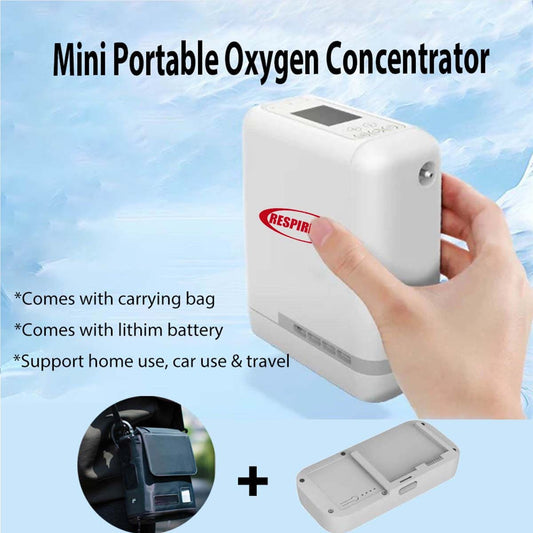
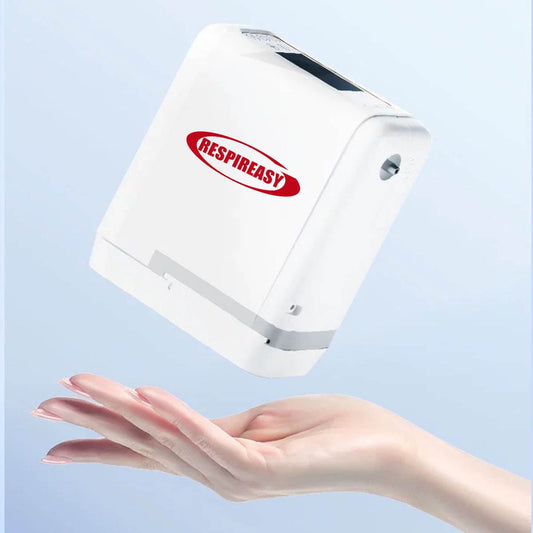
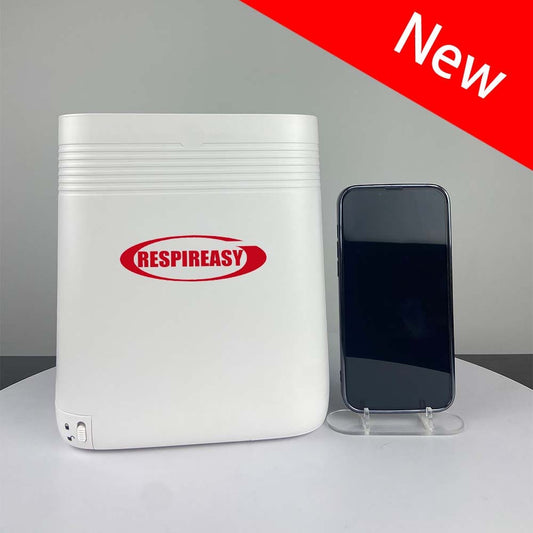
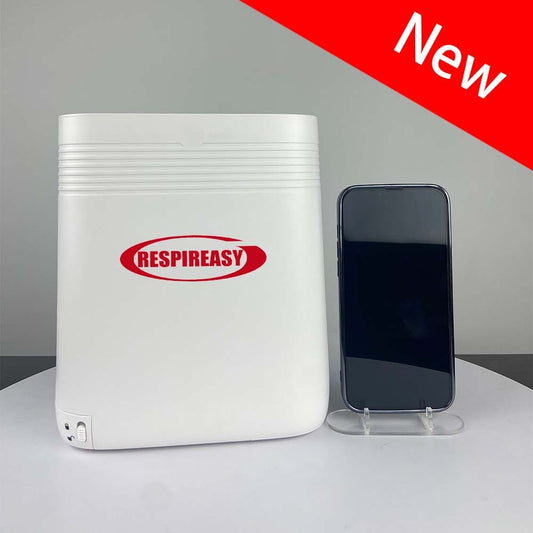
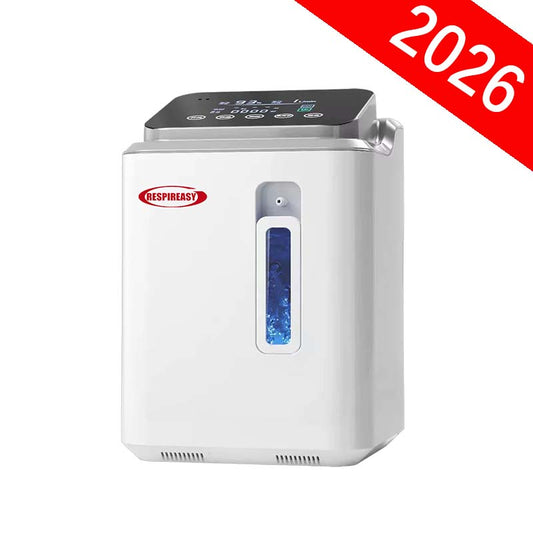
RESPIREASY Portable Oxygen Concentrator REA-9

*Features: A powerful portable oxygen concentrator with a speed of up to 9 liters per minute, weighing only 4.96 lbs, compact and lightweight, suitable for airplane use; supports altitude adaptation, providing stable oxygen output within an altitude range of 0-5000 meters; multiple power sources (lithium battery/AC power/car cigarette lighter) for long battery life; simple operation, 2.4-inch intelligent display screen, and 9 intelligent warning functions.
*Suitable Scenarios: Suitable for high-altitude travel, daily outings, home health care, etc., especially suitable for people who need to move frequently or use the device in environments with varying altitudes.
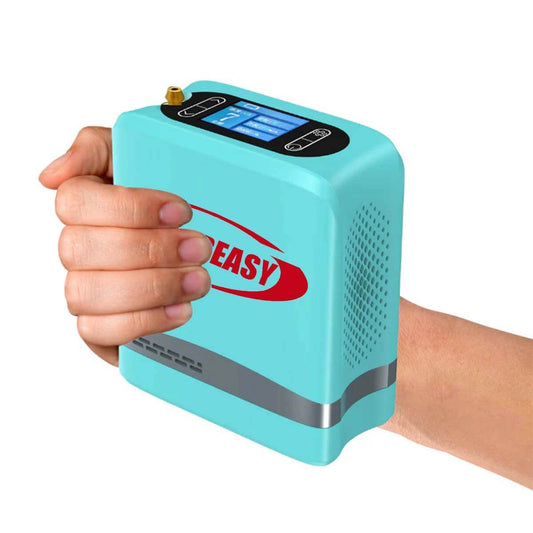
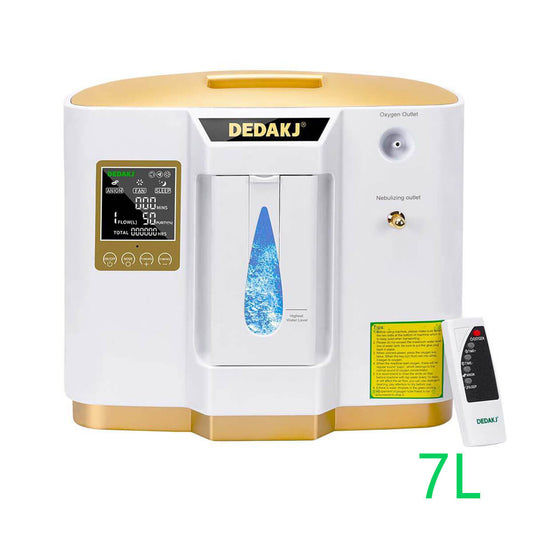
DEDAKJ Portable Oxygen Concentrator RES-6

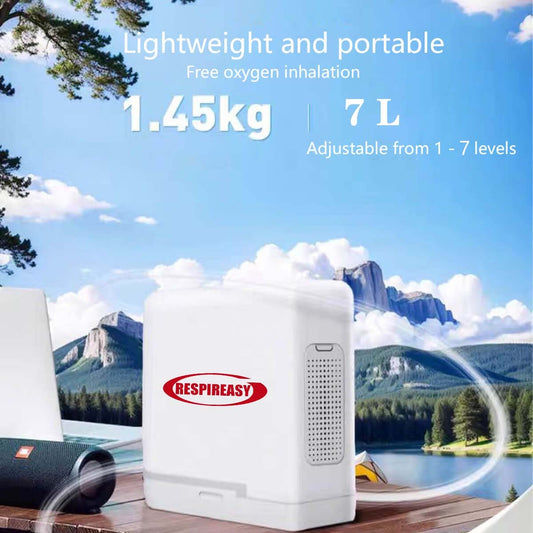
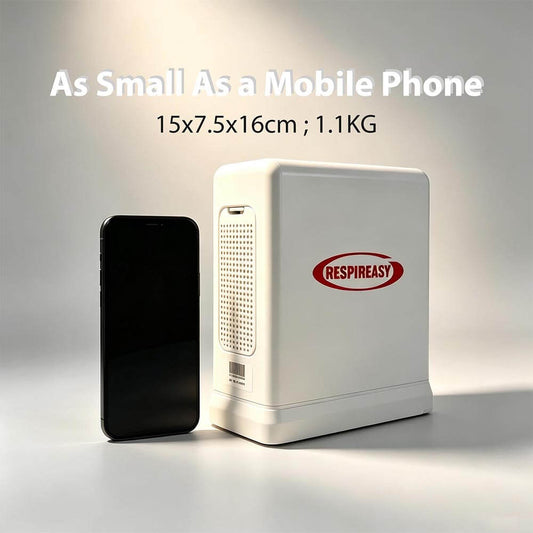
*Features: Adjustable equivalent flow rate from 1-6L, stable oxygen concentration at 93%±3%; built-in battery, runtime varies from 1.5-4 hours depending on the setting; supports sensor-activated oxygen delivery, delivering oxygen during inhalation and stopping during exhalation, energy-efficient; compact design, weighing approximately 1.1kg, easy to carry.
*Suitable for: Daily oxygen inhalation, high-altitude oxygen supplementation, car oxygen supplementation, etc., especially suitable for people who need continuous oxygen supplementation while on the move.
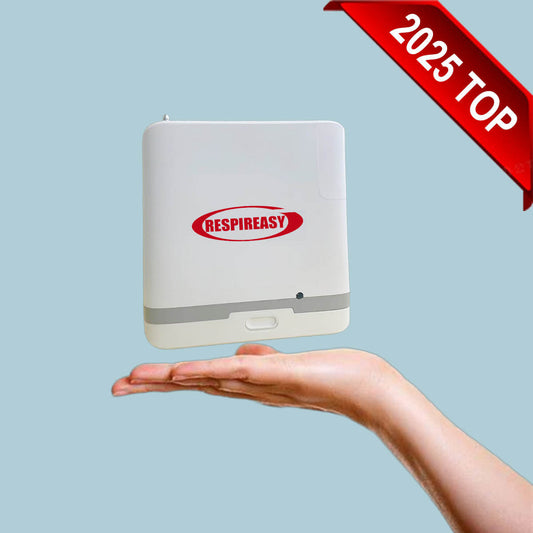
RESPIRSASY Affordable Portable Oxygen Concentrator TB-1

*Features: Main unit weighs only 4.4 lbs (excluding battery), continuous flow rate of 3 liters per minute; supports car power supply, can be directly connected for 24-hour operation; tested runtime of up to 2 hours on a single battery;
*Suitable for: high-altitude travel, road trips, daily outings, etc., especially suitable for people who need to use in environments without a stable power source.
01 Improving Treatment Efficacy and Quality of Life
Traditional long-term oxygen therapy equipment requires manual adjustment according to the intensity of daily activities, which brings inconvenience to patients. However, some intelligent portable oxygen concentrators can automatically control oxygen output and adjust the oxygen concentration in real time according to the patient's physical activity. For example, a study proposed a system to automatically control a commercial portable oxygen concentrator. By designing a patient unit and a control unit, the inertial measurement unit in the patient unit can classify the user's physical activity in real time, and the control unit receives the activity level via Bluetooth and automatically adjusts the oxygen concentrator according to the settings of the clinician [1]. This system that automatically adapts to lifestyle can improve oxygenation, help improve patient treatment compliance and promote physical activity. In addition, pilot tests showed that the new intelligent portable oxygen concentrator (iPOC) had a weighted accuracy of 91.1% in automatically updating oxygen flow according to medical prescriptions. Compared with conventional portable oxygen concentrators, oxygenation was generally improved, and user satisfaction was also high [2][5].
02 Performance Comparison at Different Respiratory Rates
Comparative studies of different portable oxygen concentrators and conventional oxygen devices in COPD patient simulation models revealed that at different respiratory rates, the oxygen measurement values of wall-mounted oxygen and stand-alone oxygen concentrators (control group) were generally higher than those of portable oxygen concentrators [3].
03 Improvement of Patient Symptoms and Oxygenation Status
Clinical observations showed that portable oxygen concentrators can achieve oxygen therapy effects that improve blood oxygen saturation and relieve shortness of breath in patients with mild and moderate COVID-19. COPD patients often have severe hypoxemia, and portable oxygen concentrators may also have a similar effect in improving the hypoxic status of COPD patients [4].
04 Patient Preferences and Psychological Impacts
A comparative study of portable oxygen concentrators (POCs) and oxygen cylinders (trolleys) in patients with chronic lung disease found no significant difference in oxygen saturation and average walking distance in a 6-minute walk test (6 mWT). However, patients showed a higher preference for POCs (73.3%), mainly due to their ease of transport and lighter weight. Furthermore, POCs were associated with better patient mobility, but not with anxiety or depression [6].
05 Working Principle of Portable Oxygen Concentrators
Portable oxygen concentrators utilize pressure swing adsorption (PSA) technology, a highly efficient method for obtaining oxygen. Its working principle is primarily based on specific physicochemical processes.
Pressure adsorption: Pressure swing adsorption oxygen generation refers to the use of zeolite molecules as adsorbents, utilizing the principles of pressure adsorption and depressurization desorption to obtain oxygen. Under certain pressure, oxygen and nitrogen in the air have different diffusion rates in the molecular sieve pores, and this phenomenon can be used to separate air. Pressure swing adsorption (PSA) technology is one of the commonly used technologies in medical oxygen concentrators. It utilizes nitrogen selective adsorbents to selectively adsorb nitrogen from the air, thereby producing oxygen-enriched air for breathing [7]. In the oxygen concentrator, two adsorption containers containing adsorbents such as zeolites work alternately in a cycle to achieve near-continuous production of oxygen-enriched air [8].
Depressurization desorption: When the pressure decreases, nitrogen adsorbed on the molecular sieve is desorbed, while oxygen is retained due to its weaker adsorption force on the molecular sieve. This periodic pressurization and depressurization process enables the oxygen concentrator to continuously produce oxygen.
Summary
Portable oxygen concentrators dynamically adjust oxygen flow through intelligent sensing technology, which can improve the oxygenation level and activity level of COPD patients. Their clinical effects are comparable to traditional equipment, but with better portability. Based on pressure swing adsorption (PSA) technology, oxygen is continuously produced through a cycle of pressurization adsorption and depressurization desorption. Studies show that patients prefer its lightweight design. Although its oxygen output is weaker than fixed devices at high respiratory rates, intelligent improvements (such as iPOC) significantly improve oxygen therapy adherence and satisfaction, making it an important option for long-term oxygen therapy.
References:
[1] Alejandro Lara-Doña, Daniel Sanchez-Morillo, María Pérez-Morales, Miguel Ángel Fernandez-Granero, Antonio Leon-Jimenez. "A Prototype of Intelligent Portable Oxygen Concentrator for Patients with COPD Under Oxygen Therapy.".
[2] Daniel Sanchez-Morillo, Pilar Muñoz-Zara, Alejandro Lara-Doña, Antonio Leon-Jimenez. "Automated Home Oxygen Delivery for Patients with COPD and Respiratory Failure: A New Approach." Sensors (Basel, Switzerland) 4(2020).
[3] Douglas S. S Gardenhire,Robert B Murray,Robin E Gardenhire,Kyle Brandenberger. "Comparison of Portable Oxygen Concentrators and [4] Zheng Xiaoyan, Liao Zhixin, Yang Yu, Cao Jing, Yu Ting. "Clinical application analysis of portable oxygen concentrator in patients with novel coronavirus pneumonia." International Journal of Medicine and Health 7 (2020).[5] Daniel Sanchez-Morillo, Pilar Muñoz-Zara, Alejandro Lara-Doña, Antonio Leon-Jimenez. "Automated home oxygen delivery for patients with COPD and respiratory failure: a new method." Sensors (Basel Switzerland) 4 (2020).
[6] Mauro Maniscalco, Michele Martucci, Salvatore Fuschillo, Alberto De Felice. "Portable oxygen concentrator vesus oxygen cylinder in chronic lung disease: patient preferences and psychological implications."
[7] Hu Junshuo, Dong Haibing, Zeng Debao, Wang Qiuyan. "Design and configuration simulation of PLC control system for oxygen concentrator." Henan Science and Technology 9(2021).
[8] Ankita Das,Asim K. Das. "Quadrupolar Interaction with Zeolite and Pressure Swing Adsorption in Portable Medical Oxygen Concentrators for Breathing of Covid-19 and COPD Patients." Resonance 8(2022).