Home oxygen concentrators: Portable vs. stationary, which is more suitable for long-term home oxygen therapy?
The demand for home oxygen therapy is steadily increasing in North American households, largely due to factors such as decreased blood oxygen levels in the elderly, chronic obstructive pulmonary disease (COPD), heart disease, sleep apnea, and postoperative recovery.
Many families begin searching for the most suitable home oxygen generation solution when SpO₂ drops from the normal range (e.g., 95%–98%) to 92% or during an attack (86%). When choosing a home oxygen concentrator, consumers often hesitate between portable oxygen concentrators, stationary/home oxygen concentrators, and oxygen tanks. This article will provide an in-depth comparison of various oxygen delivery methods from a professional perspective, incorporating North American user behavior, applicable scenarios, and medical guidelines to help you make the best choice for home oxygen therapy. It will also analyze how the DEDAKJ and RESPIREASY series devices meet different levels of oxygen therapy needs.

Key Indicators for Home Oxygen Therapy: Oxygen Purity and Pressure Support
Oxygen Purity: Natural oxygen in the air is approximately 21%. When using a nasal cannula, the inhaled oxygen concentration (FiO₂) can be estimated using a simple formula:
FiO₂ = 21 + 4 × Oxygen Flow Rate (L/min)
For example:
1 L/min ≈ FiO₂ 25%
2 L/min ≈ FiO₂ 29%
3 L/min ≈ FiO₂ 33%
In North American home oxygen therapy settings, most patients with mild to moderate COPD can restore their blood oxygen saturation to 95–98% with a continuous flow of 1–3 L/min.
Oxygen Pressure: Oxygen concentrators provide a high concentration of oxygen but do not provide pressure. Therefore, patients with the following problems—overinflation of the lungs, obstructive sleep apnea, severe COPD—requiring ventilator support, will need CPAP/BiPAP or NIV (non-invasive ventilation) to provide pressure support. In other words, the oxygen concentrator is responsible for increasing the oxygen concentration, while the ventilator is responsible for airway pressure and ventilation.
This is a crucial point that is often misunderstood by American consumers in the comparison of "oxygen concentrator vs CPAP."
Home Oxygen Therapy Solutions Comparison: Oxygen Tank vs. Home Oxygen Concentrator
1. Oxygen Tank
Advantages:
- Oxygen purity up to 99%
- Provides high-pressure oxygen, suitable for emergency situations
- Silent oxygen supply
- Power outage backup
Disadvantages:
- Heavy and inconvenient to move
- High long-term refill/refurbishment cost
- Potential safety risks (high-pressure container, fire hazard)
- Cannot provide 24/7 continuous oxygen supply
- Unsuitable for elderly people living alone, difficult to operate independently
Suitable for:
Acute symptoms, short-term high-concentration oxygen needs, as a backup Emergency Oxygen Kit.
2. Home Oxygen Concentrator
Advantages:
- 24-hour continuous flow oxygen
- Low long-term cost (no need for oxygen cylinders)
- High safety, no explosion risk
- Suitable for moderate to severe COPD, cardiopulmonary diseases, and patients requiring long-term oxygen therapy
- Easy to operate, suitable for independent use by the elderly
Most North American families and Medicare/Insurance companies prioritize this type of device.
Disadvantages:
- Requires power supply
- Produces operating noise (30–45 dB for high-quality models)
- Oxygen concentration is typically 90% ± 3%
- Oxygen output pressure is atmospheric pressure, does not provide ventilation pressure
Suitable for:
Patients requiring long-term oxygen therapy (LTOT).


Portable vs. Stationary Oxygen Concentrators: How to Choose the Right One?
Medical Grade vs. Healthcare Grade
Medical Grade:
- Holds medical certifications (e.g., FDA 510(k), CE)
- Maintains ≥90% oxygen concentration at nominal flow rate
- Suitable for COPD, Emphysema, Pulmonary Fibrosis, Chronic Hypoxemia
Healthcare Grade:
- Oxygen concentration drops rapidly with increasing flow rate
- Not suitable for true oxygen therapy
- Higher risks; generally not recommended by North American medical institutions
(POC) Portable Oxygen Concentrator
Advantages:
- Lightweight and portable (travel oxygen concentrator)
- Built-in battery for use during walks, shopping, long drives, or flights
- FAA-compliant flights (some models)
- Suitable for mild to moderate hypoxemia patients to maintain activity levels
- Limitations and Misconceptions:
Most portable units are Pulse Flow, not continuous flow.
Portable oxygen concentrators require stable oxygen concentration for ill patients
Suitable for:
- Outings, travel
- Daytime activity oxygen therapy
- Used in conjunction with a stationary oxygen concentrator (most common in North American homes)


Stationary Oxygen Concentrator (Home/Stationary Oxygen Concentrator)
Advantages:
- Continuous Flow (1–5L / 1–8L)
- Stable oxygen concentration ≥90%
- Can be used as the primary device for 24-hour oxygen therapy
- Most suitable for moderate to severe COPD, CHF, and pulmonary fibrosis
Suitable for:
- Long-term home oxygen therapy
- Nighttime oxygen therapy
- Patients requiring stable high-concentration, high-flow-rate oxygen
Oxygen Machines Selection Recommendations:
If a doctor recommends Long-Term Oxygen Therapy → Prioritize a stationary medical oxygen concentrator;
If the patient needs to be out and about → Supplement with a portable POC;
If ≥5 L/min or nighttime oxygen is required → Stationary equipment is irreplaceable;
If the patient has sleep apnea → CPAP/BiPAP + Oxygen Concentrator Combinations;
Recommended Brands:
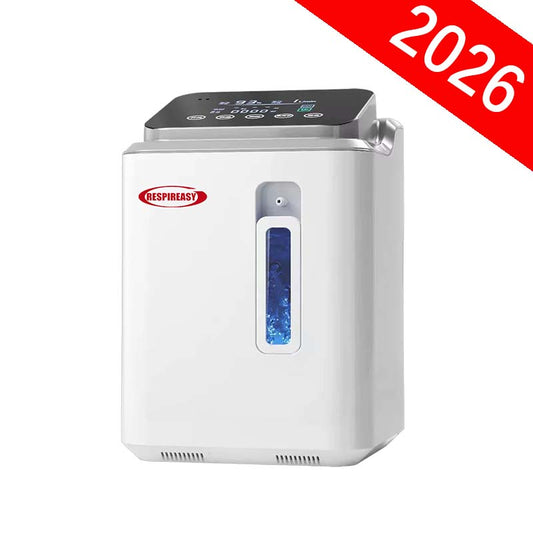
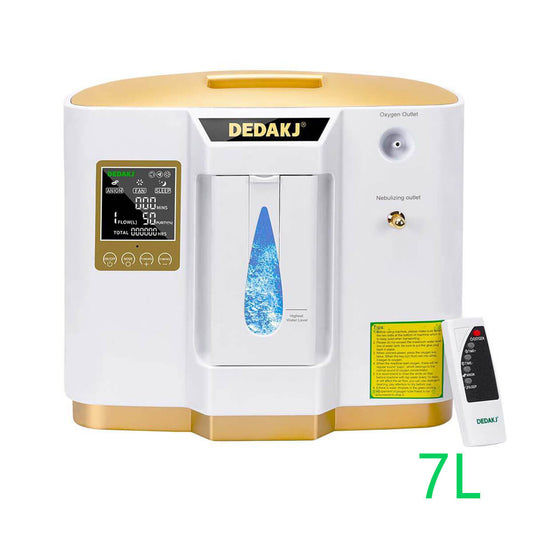
DEDAKJ and RESPIREASY Home Oxygen Therapy Solutions
DEDAKJ / RESPIREASY Stationary Oxygen Concentrators (Medical-Grade Home Oxygen Concentrators)
Key Advantages:
Medical-grade oxygen concentration ≥90% (continuous flow)
Multiple flow rates (3L, 5L, 8L) to suit different disease severity levels
High-efficiency molecular sieve technology (PSA Oxygen Technology)
Low-noise compressor (≤ 40 dB) suitable for nighttime use
Oxygen Purity Monitor + low concentration alarm
Stable and durable, suitable for long-term use (especially in dry climates in the US and Canada)
Highly Recommended for:
Patients with COPD, Emphysema, Pulmonary Fibrosis, Post-surgery recovery, and Heart failure.
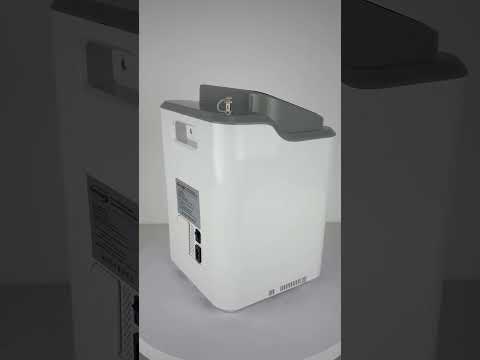
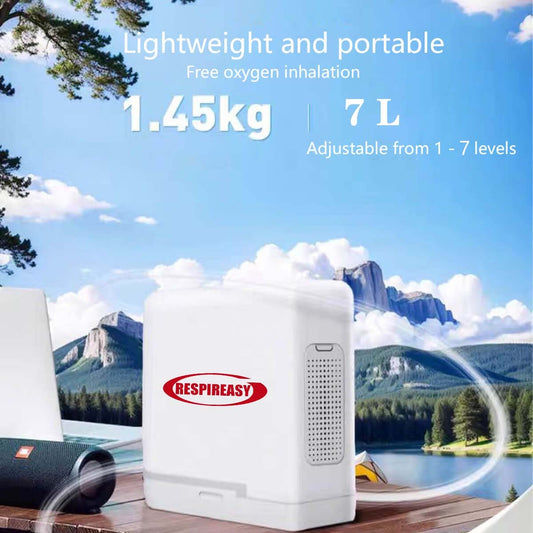
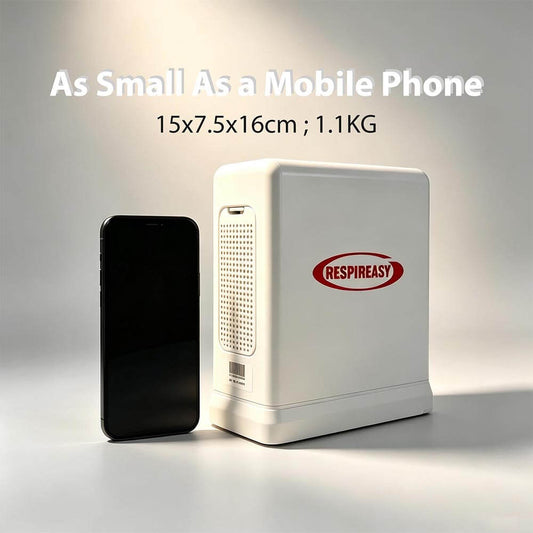
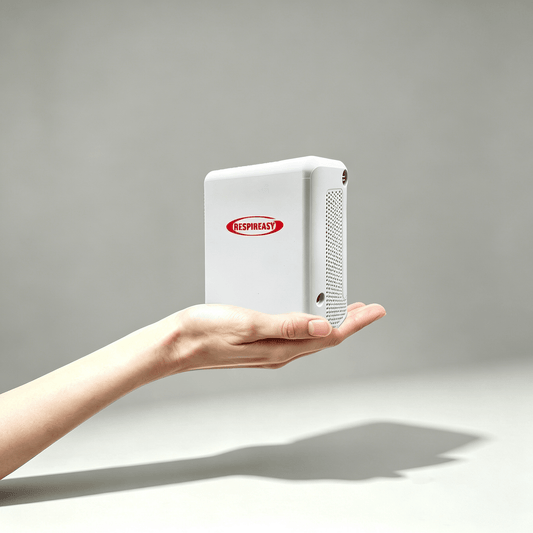
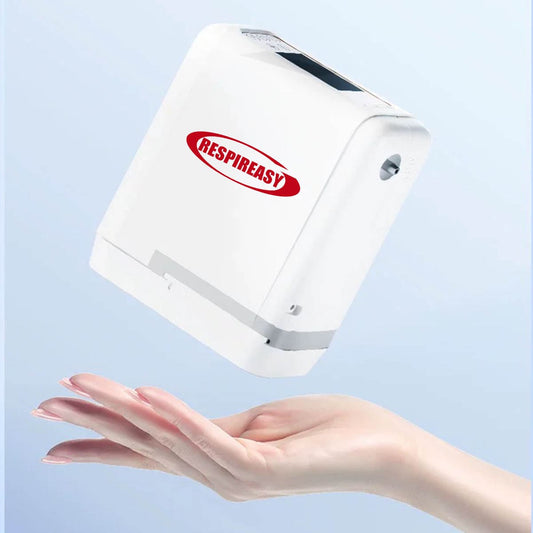
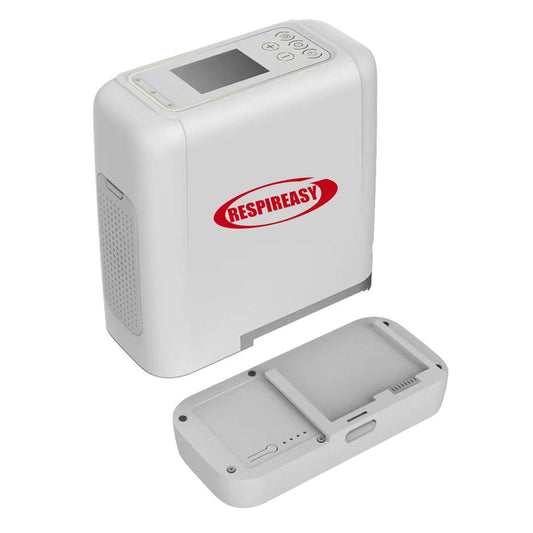
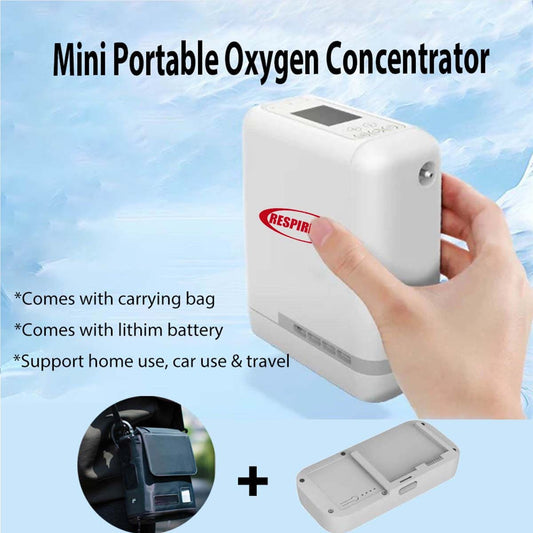
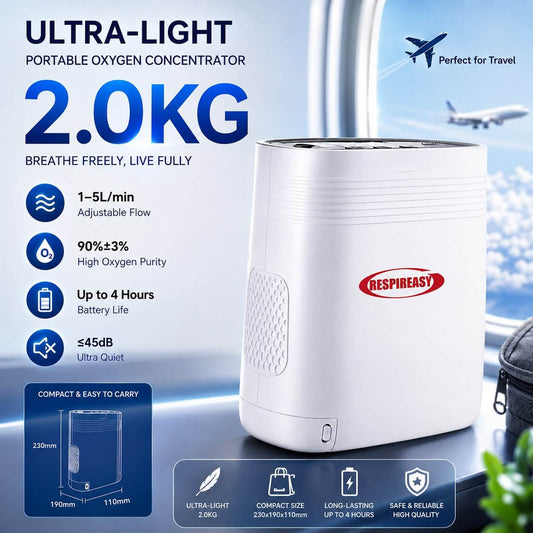
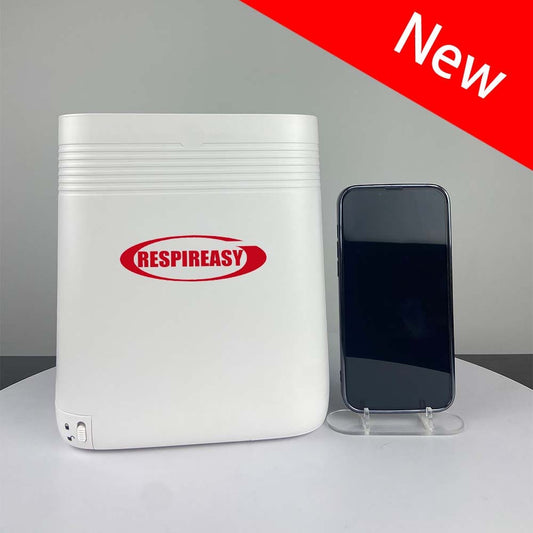
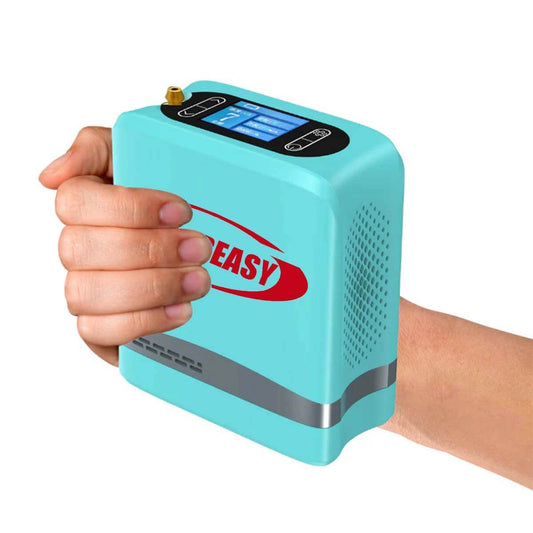
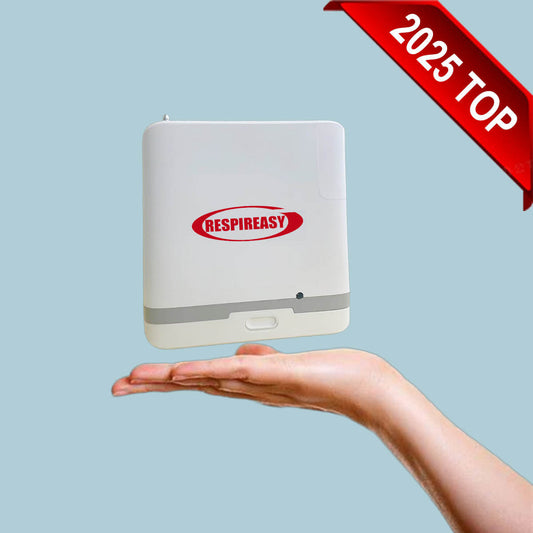
RESPIREASY Portable Oxygen Concentrators
Features: Lightweight design, suitable for travel and on-the-go oxygen therapy
Pulse dose technology saves energy
Suitable for mild to moderate patients to maintain daily activities
Can be used as a supplement to stationary devices for seamless oxygen therapy both inside and outside the home
Home Oxygen Concentrator Usage and Maintenance (Maintenance & Safety Tips)
- Replace the nasal cannula every 1–2 weeks
- Use only distilled water in the humidifier bottle to avoid bacterial growth
- Replace the oxygen filter according to the instructions
- Avoid fumes, dust, and enclosed spaces
- Regularly check the oxygen concentration display (maintenance required if < 82%)
- Maintain good ventilation to reduce heat buildup
Conclusion: How to choose the most suitable home oxygen concentrator for your family?
For North American families, the key factors in choosing between a Portable vs. Stationary Oxygen Concentrator are:
Health condition (mild, moderate, or severe COPD or hypoxemia)
Whether 24-hour continuous oxygen supply is needed
Whether oxygen supply is needed for outdoor activities or travel
Physician's flow and concentration prescription requirements
The DEDAKJ and RESPIREASY series oxygen machine products, with their medical-grade quality, reliable oxygen concentration, intelligent design, and stable performance, can meet the long-term home oxygen therapy needs of patients from mild to severe cases, providing users with safe and professional home respiratory health solutions.