How to choose a portable oxygen concentrator? A professional guide
How to Choose a Portable Oxygen Concentrator | DEDAKJ & Respireasy Professional Guide
In scenarios such as COPD, cor pulmonale, altitude sickness, and low oxygen management for middle-aged and elderly people, portable oxygen concentrators have become an essential need for more and more families and travelers. Compared to traditional home oxygen concentrators, portable oxygen concentrators emphasize lightweight design, stable oxygen concentration, battery life, and adaptability to multiple scenarios.
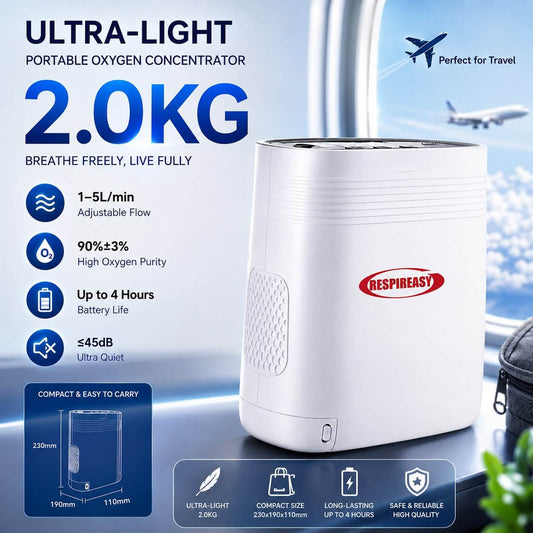
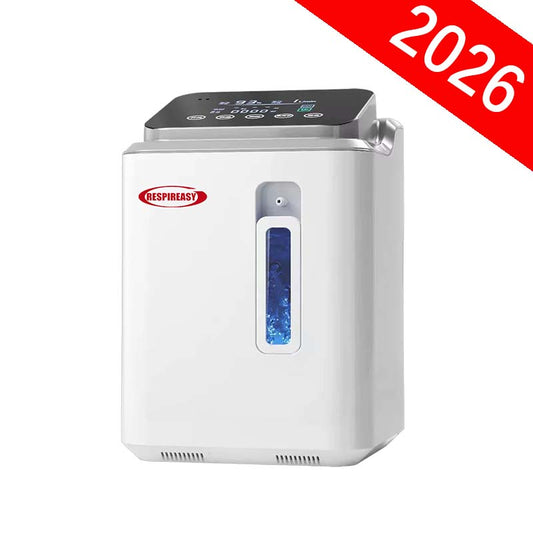
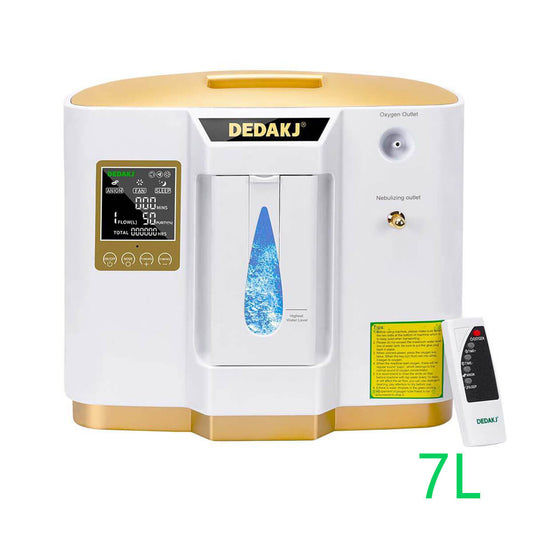
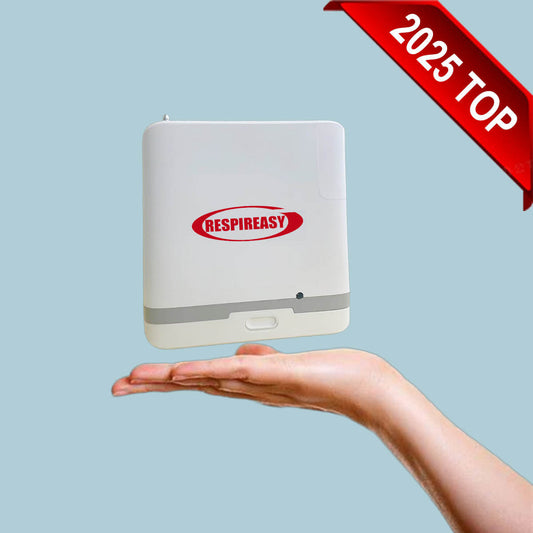
As brands with long-term expertise in the field of respiratory health equipment, DEDAKJ and RESPIREASY focus on developing medical-grade portable oxygen concentrators that meet medical standards. They ensure a stable oxygen concentration of 93%±3% while also accommodating the needs of travel, home use, car use, and high-altitude environments. The following content will systematically explain how to scientifically select and correctly use a portable oxygen concentrator, focusing on the core aspect of "portability."
Oxygen Concentration: The Hard Standard for Medical-Grade Portable Oxygen Concentrators
If a portable oxygen concentrator is used for disease treatment or to improve oxygen deficiency (such as COPD, cor pulmonale, or post-operative recovery), it must meet medical-grade requirements:
Oxygen concentration is stable at 93%±3% within the nominal flow rate range, and not less than 90%.
Warning:
Many "99% high-concentration portable oxygen concentrators" on the market are mostly marketing gimmicks. Medical oxygen therapy does not pursue extremely high concentrations; long-term inhalation may actually increase the risk of oxygen toxicity. Some low-priced portable oxygen concentrators, although labeled with "5 flow rate settings," show a significant drop in oxygen concentration at settings above 3. When purchasing, be sure to confirm the concentration stability across all flow rate ranges.
DEDAKJ and RESPIREASY's medical portable oxygen concentrators undergo oxygen concentration and compression system calibration before leaving the factory, making them more suitable for long-term oxygen therapy and safe use by elderly users.
Choose the Right Mode: Pulse Dose vs. Continuous Flow Portable Oxygen Concentrators
Pulse Dose Oxygen Delivery Mode
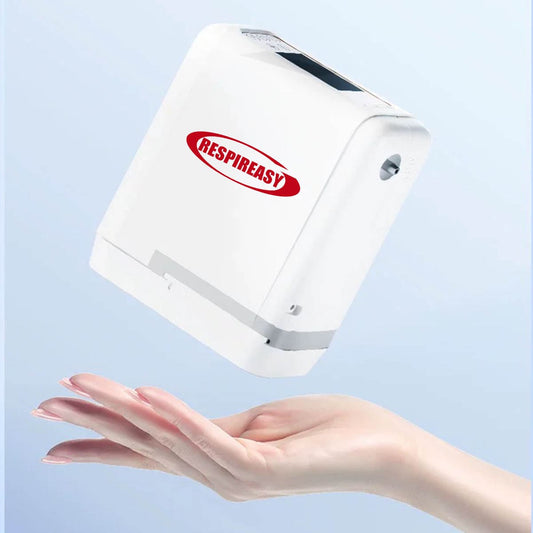
Intelligent sensing of inhalation, oxygen is supplied only during inhalation. High oxygen utilization efficiency, more power-efficient, and longer battery life. Most models weigh between 2–3kg.
Suitable for: Daily outings, travel, high-altitude activities, mountaineering, and mobile scenarios requiring portability.

Continuous Flow Oxygen Delivery Mode
Continuous and stable oxygen output, not dependent on breathing triggers. More suitable for nighttime sleep, people with weak breathing, or those requiring high flow rates.
Some RESPIREASY high-end portable oxygen concentrators support "pulse + continuous flow dual mode," combining portability for outdoor use with nighttime oxygen therapy at home, making them an ideal solution for COPD patients.

Notes
For outdoor use, prioritize pulse-dose portable oxygen concentrators to avoid severely insufficient battery life with continuous flow.
For nighttime use, confirm whether the pulse-dose model has a sleep mode to prevent insufficient oxygen delivery due to shallow breathing.
Portability Core Factors: Weight, Battery Life, and Usage Scenarios
Weight
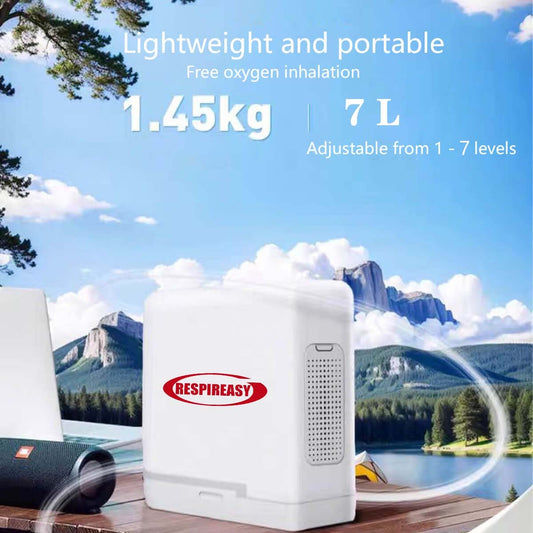
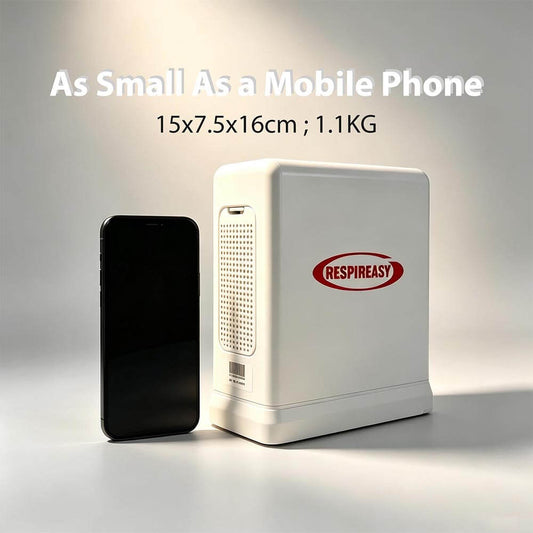
≤3kg: Suitable for long-distance travel and air travel.
≤5kg: Suitable for home use + short trips.
Note: Some so-called "small portable oxygen concentrators" do not include batteries; the total weight of the unit needs to be confirmed separately.
Battery Life
Purchasing principle: Longest expected outing time + 2 hours of buffer.
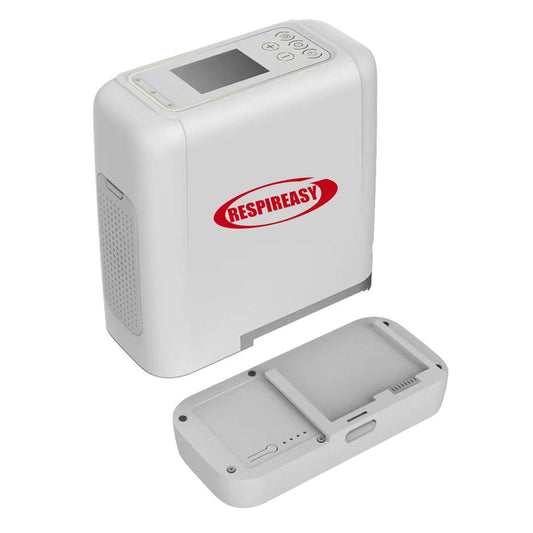
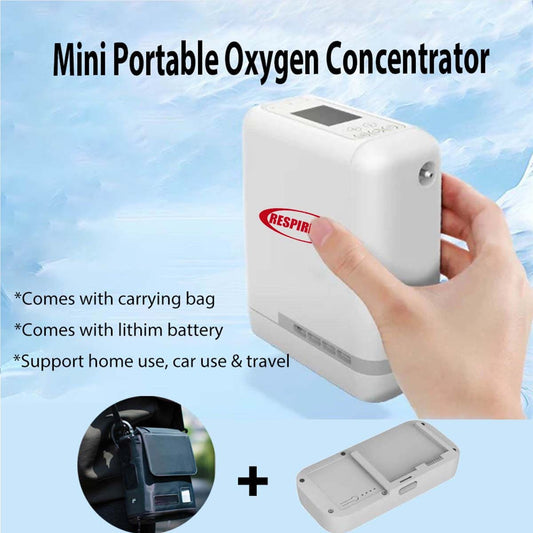
At 2L/min flow rate: 10Ah battery ≈ 2–3 hours. For long outings, it is recommended to choose: Portable oxygen concentrators with large-capacity batteries (15Ah or more), support for spare batteries / car charging (12V) / Type-C charging.
DEDAKJ portable oxygen concentrators focus on optimizing the battery management system in their design, making them more suitable for travel and in-car use. Special Scenario Adaptations

High-altitude travel:
Choose a portable oxygen concentrator with pressure compensation algorithms to ensure stable oxygen output at altitudes of 5000 meters. Low-temperature environments: Prioritize models with battery preheating functions to avoid shutdown below -20℃.
Noise, Operation, and Safety Alarms
Noise Control
Recommended for nighttime use: ≤40 decibels (similar to quiet conversation). Avoid situations where "parameters are silent, but the actual noise is loud"; if possible, try listening to the device before purchasing.
Ease of Operation
Preferred for elderly users: Large font display, one-button start, voice broadcast function.
Safety Alarms (Essential)
Low oxygen concentration alarm (<82%) Power failure alarm Low battery alarm Tubing blockage reminder
RESPIREASY's safety alarm design is more geared towards medical scenarios, suitable for long-term use by people with chronic diseases.
Proper Use of Portable Oxygen Concentrators for More Effective Oxygen Therapy
Preparation Before Starting
Check if the air intake filter is clean. Connect the nasal cannula or mask (food-grade silicone is safer). Confirm the power source: household power/battery/car power.
Standard Operating Procedures
Preheat for 3-5 minutes after turning on, and inhale oxygen only after the concentration reaches ≥90%. Adjust the flow rate according to medical advice: Mild hypoxia: 1-3 L/min Moderate to severe hypoxia: 4-7 L/min
Note: Avoid blindly increasing the flow rate yourself.
Recommended Oxygen Inhalation Duration
Medical oxygen therapy: 15-18 hours per day Health oxygen inhalation: 30-60 minutes each time
For air travel, confirm in advance whether the portable oxygen concentrator is aviation-certified to avoid damage during transportation.
Common Misconceptions
Misconception 1: Higher oxygen concentration is always better.
Long-term inhalation of oxygen at concentrations above 95% may damage the respiratory tract mucosa.
Misconception 2: Neglecting filter cleaning.
A clogged filter will reduce oxygen production efficiency and shorten the compressor's lifespan.
Portable Oxygen Concentrator Maintenance and Care
Daily Maintenance
Daily: Wipe the machine body, replace the distilled water in the humidifier. Weekly: Clean and dry the air intake filter.
Regular Maintenance
Monthly: Check the tubing and battery degradation. Annually: Perform oxygen concentration calibration, compressor and molecular sieve testing.
DEDAKJ and RESPIREASY recommend that users have their devices professionally inspected regularly through official after-sales service to ensure long-term stable oxygen supply.

Frequently Asked Questions (FAQ)
Q1: Can a portable oxygen concentrator run for 24 hours?
A: A qualified medical-grade portable oxygen concentrator supports 24-hour operation in household power mode.
Q2: Can health-care type and medical-grade portable oxygen concentrators be used interchangeably?
A: No. Health-care type devices cannot replace medical-grade equipment for disease treatment.
Q3: What should I do if I experience dry mouth or dizziness after oxygen therapy?
A: This may be related to insufficient humidification or excessive flow rate. You should reduce the flow rate and consult a doctor.
Summary:
Choosing a truly reliable portable oxygen concentrator is not only about portability, but also about the safety and effectiveness of long-term oxygen therapy. DEDAKJ and RESPIREASY are committed to providing global users with stable, safe, and versatile medical-grade portable oxygen concentrator solutions.