




COPD Home Oxygen Therapy: A Practical Guide from a Respiratory Nurse
Share
Let's be honest—sending a COPD patient home with an oxygen machine can feel a bit overwhelming. Not just for the patient, but for the whole family. I've spent years working on the respiratory ward, and I've seen just about every oxygen-related mistake you can imagine. People crank up the flow because they think "more is better," they only put the cannula on when they're gasping for air, they use the same tube for a whole week, and they ignore the red marks digging into their nose and ears until the skin actually breaks.
These aren't small issues. They turn a life-saving therapy into something that causes skin infections, cracked throats, stubborn mucus plugs, and sometimes even dangerous drowsiness and confusion. So let's walk through how to do this right—without overcomplicating it.
Stop Guessing and Start Measuring
Here's something I tell every family before discharge: don't wait until your loved one feels short of breath to turn on the oxygen. By then, their blood oxygen has already been low for a while. The lungs don't bounce back from that repeated stress.
The rule we use in the ward is simple—aim for at least 15 hours a day, and yes, that includes sleeping time. If you're only using it for an hour here and there, you're basically wasting your time. The benefits just don't add up.
Flow rate is where things get tricky. I can't tell you how many patients I've seen who thought 5 liters was better than 2. But with COPD, too much oxygen can actually backfire—it makes the brain lazy about triggering the next breath, and carbon dioxide starts building up. That's when people get sleepy, confused, and end up back in the ER. So keep it between 1 and 2 liters per minute, and never go above 3 unless your doctor explicitly says so.
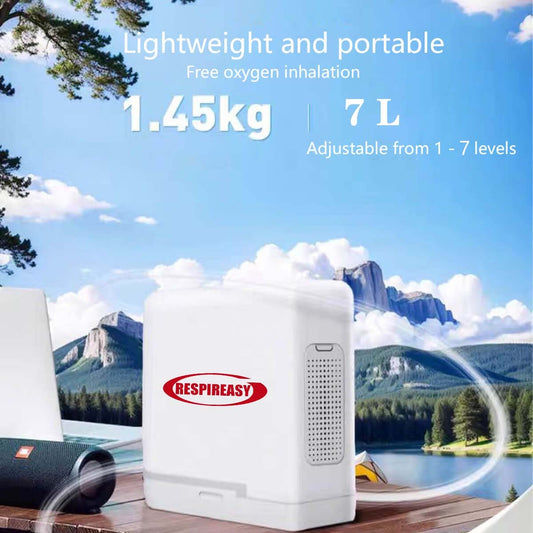
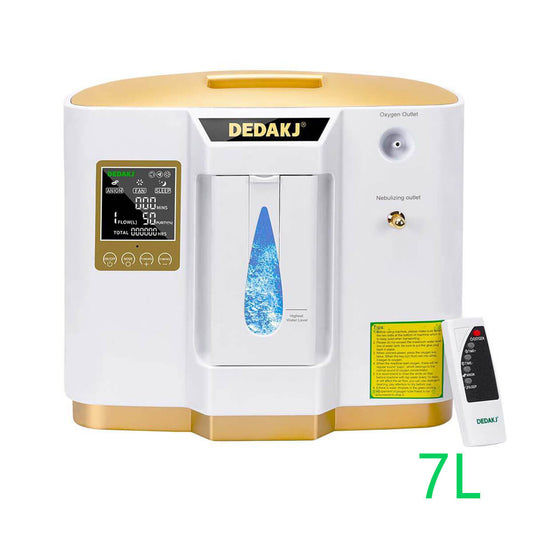
If you're using a machine like the DEDAKJ RE-Q1L oxygen concentrator, you've got some wiggle room because it goes from 1 all the way up to 7 liters per minute in continuous flow mode. But just because it can go that high doesn't mean you should—think of it as headroom, not a target.

Now, let's talk about that little pulse oximeter on your finger. For healthy people, 95% to 98% is normal. But for someone with chronic lung disease, we're not aiming for "normal." We're aiming for 88% to 92% about half an hour after starting oxygen. That's the sweet spot—high enough to protect the organs, low enough to avoid trapping CO₂. If you're consistently below 88, you need a bit more flow. If you're hitting 94 or 95 every day, dial it down a notch.
The Ear and Nose Problem—and a Real Solution of Headset-style Nasal Cannula


If you've been on home oxygen for more than a week, I don't need to tell you about the sore spots. The standard nasal cannula digs into the nostrils and rubs against the tops of your ears like sandpaper over time. I've seen elderly patients with actual pressure sores behind their ears—completely preventable, but nobody warned them.
The trick is to route the tubing loosely—gently over the ears and under the chin, never pulled tight. At night, a tiny folded square of soft cotton behind each ear can make a world of difference.
But honestly? The best fix I've come across is switching to a headset-style nasal cannula. Think of it like wearing a lightweight pair of headphones—no pressure on the nose bridge, no digging into the ears. The DEDAKJ headset-type nasal cannula does exactly that. Patients who switched to this type told me they barely notice they're wearing it after a few minutes, and the skin issues cleared up within days.
Also, please—change the cannula every single day. It sounds wasteful, but those tubes collect bacteria and moisture overnight. Daily washing of the pressure points with warm water, patting dry, and a dab of mild moisturizer keeps the skin intact. If the nostrils are already raw and angry, switch to a face mask for a day or two to let the area recover.
That Dry Throat? Here's How to Fix It
Straight oxygen is bone-dry. Breathe it for a few hours and your throat feels like you've been chewing on cardboard, and the mucus turns into thick glue that's almost impossible to cough out. That's why every home concentrator has that little water bottle attached.
A few hard rules on that bottle:
-
Distilled water only. Not tap, not spring, not mineral. Those have dissolved salts and minerals that turn into airborne particles—and you really don't want those in already-damaged lungs.
-
Fill it between the marked lines. The bubbles should be small and gentle, not roaring like a boiling pot.
-
Dump and refill the water daily. Take the bottle apart and wash it with soap once a week. Let it air-dry completely before reassembling.
I also recommend drinking warm water throughout the day—it helps thin secretions from the inside out. And if you can keep the room humidity around 50% to 60%, you'll notice the difference immediately. Less coughing, easier breathing, better sleep.
Safety Isn't Scary—But It's Serious
Here's a fact that surprises a lot of families: oxygen doesn't burn, but it feeds fire like nothing else. A spark that would barely smolder in normal air can turn into a flame fast in an enriched oxygen environment.
So:
-
Absolutely no smoking in the room where the concentrator is running. Not "just by the window," not "just a puff." Zero.
-
Keep the machine at least six feet away from stoves, heaters, space heaters, or electric blankets.
-
Check the tubing now and then—kinks and cracks happen, especially if furniture gets moved around. And make sure the machine's air intake isn't blocked by curtains or bedding.

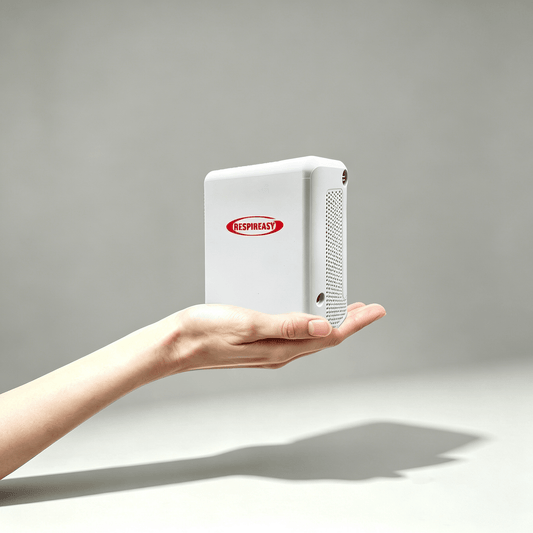
The RE-Q1L oxygen making machine is compact enough (just over 13 pounds and about 11 inches tall) to sit on a nightstand or next to a recliner without getting in the way, which actually makes it easier to keep that clear space around it.
And one more thing: clean the intake filter regularly. I've opened up machines that were running fine but pulling in dust bunnies the size of mice—and that dust ends up in your lungs. Not good.
Don't Forget the Lungs Themselves
Oxygen buys you time and energy, but it doesn't do the work of breathing for you. If you want to see real progress, you need to put in a few minutes of daily exercise—and I don't mean jogging.
The classic pursed-lip breathing exercise is your best friend: breathe in slowly through your nose, letting your belly push out, then exhale with your lips pursed like you're blowing out a candle, taking twice as long to breathe out as you did to breathe in. Five to ten minutes, twice a day. It sounds too simple to work, but I've seen patients reduce their shortness of breath dramatically within a couple of weeks.
When there's a lot of mucus stuck in the chest, have a family member cup their hand and gently tap from the lower back upward—it helps shake things loose so you can cough it out.
And please, stay away from smoke, kitchen fumes, pollen, and cold drafts. Those are the number one triggers for flare-ups. I tell my patients: if you can smell it, it's probably irritating your lungs.
Finally, don't just "set and forget" your oxygen settings. Get your blood gases and lung function checked every three months. What worked for you last year might not be optimal today—bodies change, and your oxygen needs change with them.
A Few Honest Words to Wrap Up
Home oxygen therapy isn't just about plugging in a machine and turning a dial. It's about getting the details right—the flow, the duration, the skin care, the humidification, the exercise, and the safety checks. When you get all of them lined up, it's remarkable how much better people feel. They get out of the house more, they sleep better, they have more energy to spend time with family.
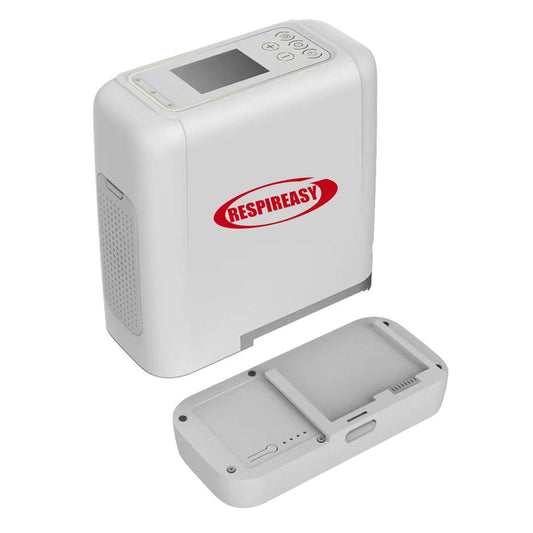
If you're ever unsure about something—whether it's how to set the flow, how to clean the humidifier, or whether a specific accessory like the DEDAKJ headset cannula is right for your loved one—just call your respiratory clinic. That's what we're there for. Don't rely on guesswork or advice from the internet alone. The machines are getting better and more user-friendly—take the RE-Q1L oxygen concentrator with its big touchscreen and remote control, clearly designed with elderly users in mind—but even the best machine is only as good as the person using it wisely.
Breathe smart, stay consistent, and don't hesitate to ask for help when you need it. You've got this.