DEDAKJ Medical Professional Guide: Oxygen Concentrator Pros and Cons Analysis and FAQs
When seeking long-term oxygen therapy solutions, understanding the advantages, potential disadvantages, and how to choose an oxygen concentrator is crucial. As a professional medical equipment manufacturer, DEDAKJ RespirEasy provides a comprehensive analysis and introduce two high-quality products to meet different needs.
Advantages of Oxygen Concentrators
Excellent Portability and Freedom of Movement: Modern oxygen concentrators are designed with user mobility in mind. Whether it's a desktop unit for home use or a portable model designed for travel, users can break free from the constraints of fixed oxygen sources.
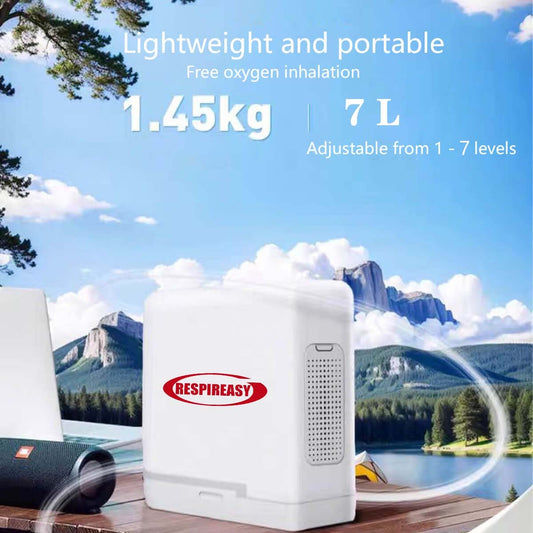
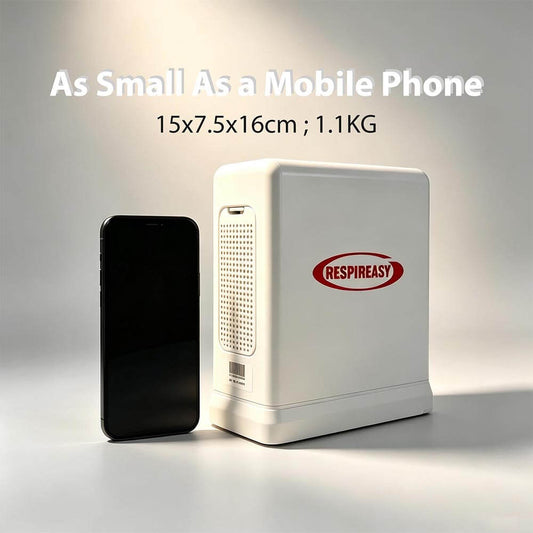
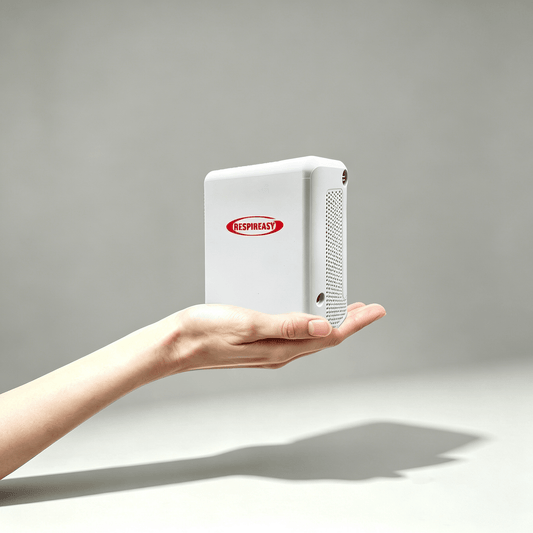
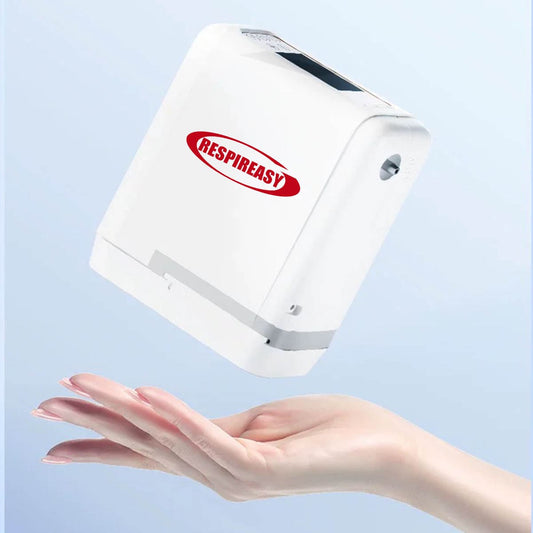
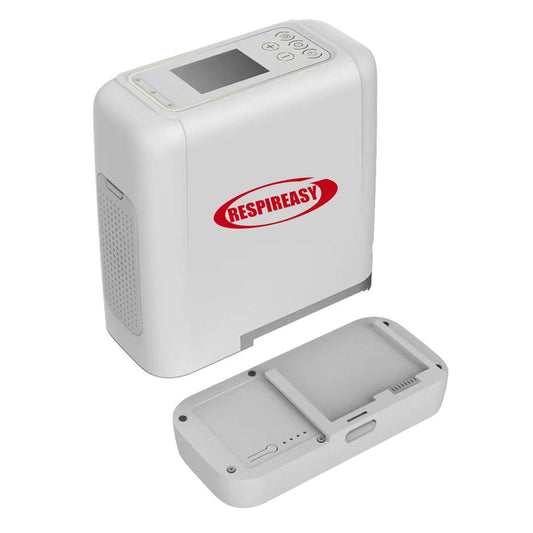
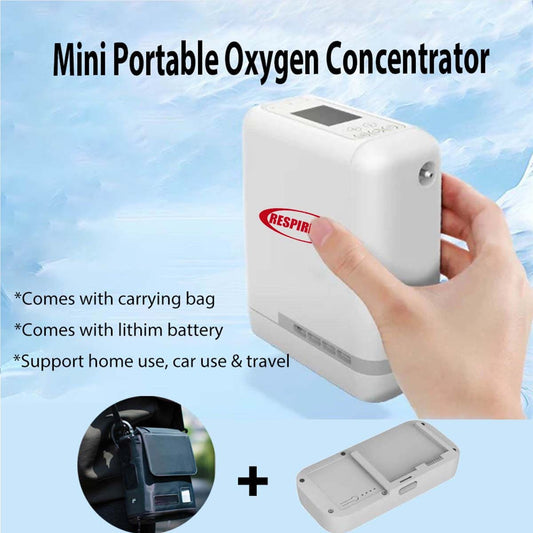
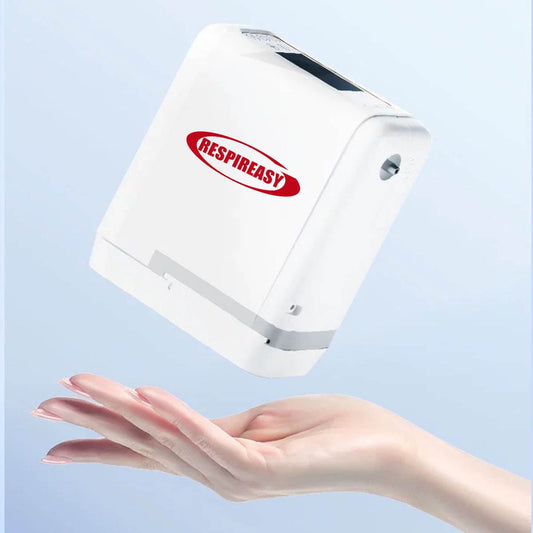
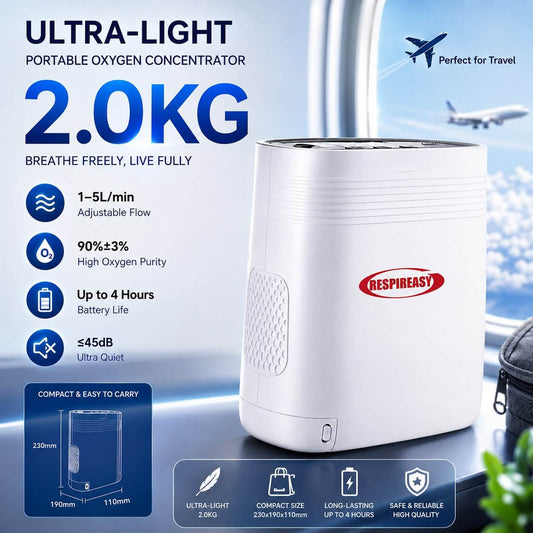
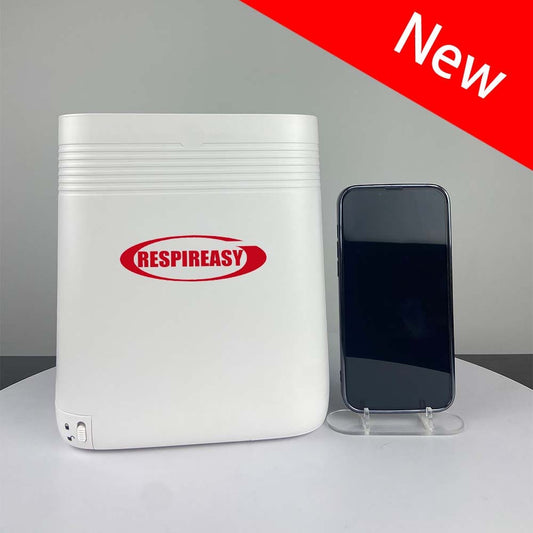
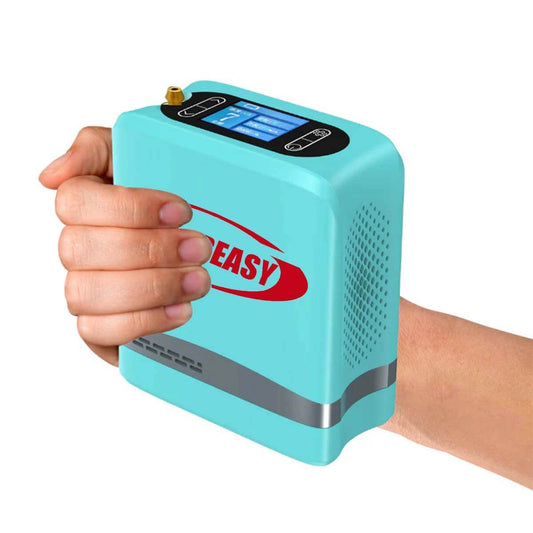
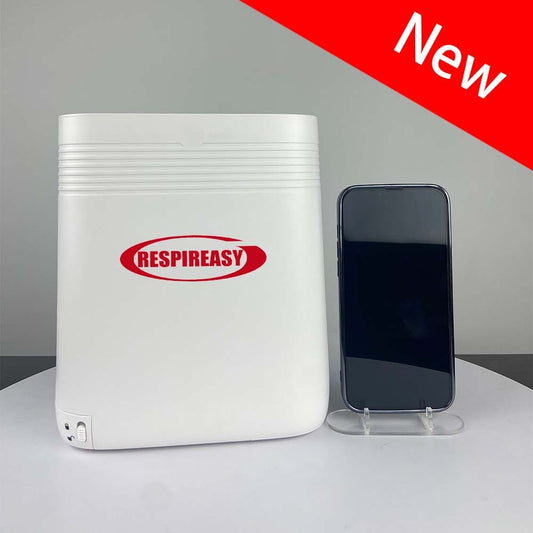
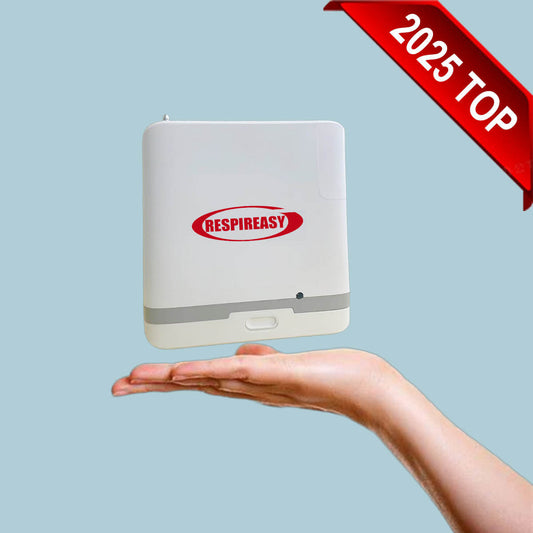
For example, our lightweight portable oxygen concentrator (weighing only 2.4 pounds) is designed for travel and daily outings, allowing patients to easily maintain an active lifestyle.


Significant Long-Term Economic Benefits: While the initial investment may be higher than traditional oxygen tanks, concentrators are generally more economical in the long run. They produce oxygen directly from the air, eliminating the need for repeated payments for tank refilling, transportation, or replacement. It's a one-time investment with long-term benefits.
Provides a Continuous and Stable Oxygen Source: Unlike oxygen tanks that run out, concentrators continuously draw in and filter ambient air, separating nitrogen to provide users with a stable flow of high-purity oxygen. As long as the device is powered on, the oxygen supply will not be interrupted.
Eliminates the Hassle of Frequent Oxygen Tank Replenishment: One of the biggest conveniences of using a concentrator is completely eliminating the tedious process and ongoing costs of regularly ordering, transporting, and replacing heavy oxygen tanks, making life simpler and more independent.
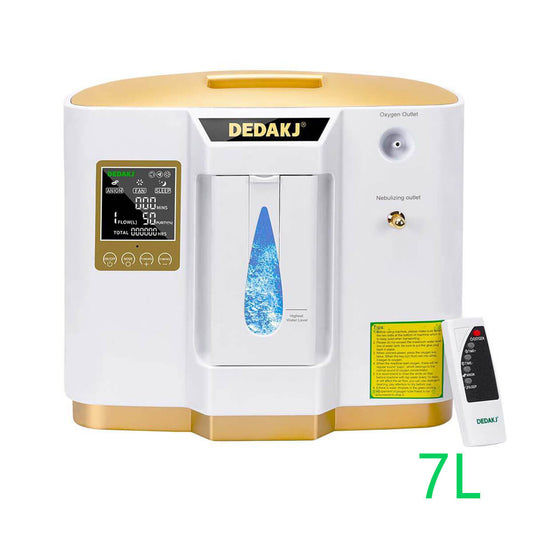
Seamless Integration into Home Environment: Home oxygen concentrators are designed to be compact and aesthetically pleasing, operating quietly and seamlessly blending into various home spaces. Their user-friendly interface makes them easy for both patients and family members to use, ideal for continuous oxygen supply at night or intermittent use during the day.
Ultra-Quiet Operation for Peace of Mind: Advanced silent technology ensures that modern oxygen concentrators operate almost silently, especially suitable for nighttime use without disturbing the sleep of users and their families.
Easy and Low-Cost Maintenance: The equipment is durable and usually only requires regular cleaning or filter replacement, eliminating the need for complex professional maintenance, significantly reducing long-term operating costs and care burden. Fundamentally Avoiding the Risk of Oxygen Depletion: Traditional oxygen tanks always carry the risk of running out. Oxygen concentrators, however, provide a continuous supply of oxygen, significantly reducing the anxiety associated with sudden oxygen depletion, as long as the power supply is stable.
An Environmentally Friendly and Energy-Efficient Choice: As a greener oxygen therapy option, oxygen concentrators reduce the carbon footprint and resource consumption associated with the production, transportation, and disposal of oxygen tanks by extracting oxygen from the air.
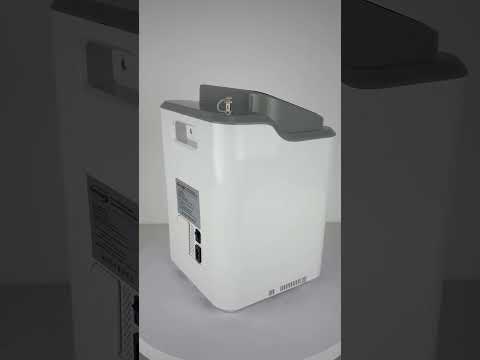
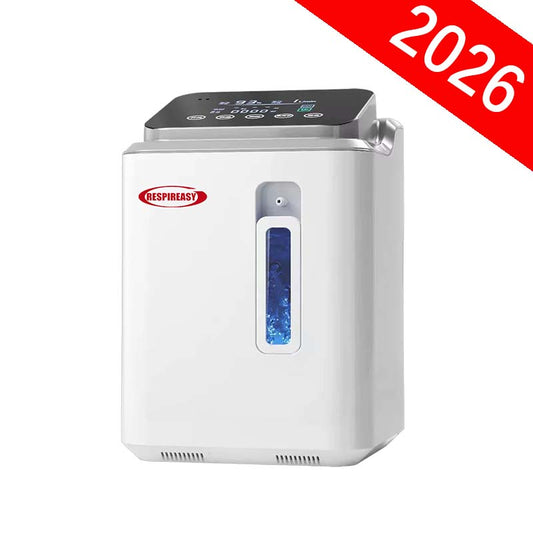
Wide Range of Models to Meet Individual Needs: The market offers a full range of products, from ultra-lightweight portable oxygen concentrators to high-flow home oxygen concentrators. For example, our new 9-liter high-flow home oxygen concentrator provides up to 93% oxygen concentration and continuous flow, ideal for users requiring high-intensity oxygen therapy, and comes with a 1-year warranty.


Disadvantages and Considerations of Oxygen Concentrators
Reliance on Electricity: This is the main limitation. Although portable models are equipped with batteries, they still require regular charging. Planning is necessary in environments with unstable power or when outdoors without a power source. It is recommended to have a backup power supply for home oxygen concentrators to cope with power outages.
Higher Initial Purchase Cost: The initial purchase price may be a barrier for some users. It is recommended to consider it as a long-term health investment and inquire about insurance reimbursement possibilities.
Not Suitable for All Medical Conditions: Some patients may require higher flow rates or 100% pure oxygen than what specific models can provide. It is crucial to consult a doctor to confirm whether the concentrator (especially its flow rate and concentration range) meets your specific medical requirements.
Some Models May Generate Heat: Under prolonged high-load operation, some devices may generate heat. Ensure good ventilation around the device and keep it away from flammable materials.
Limited Battery Life in Portable Models: Portable oxygen concentrators typically have a battery life of 4-10 hours (depending on settings). Plan charging arrangements or carry spare batteries for extended outings.
Some Models Remain Bulky: Despite technological advancements, some high-flow home oxygen concentrators may still be large and heavy, requiring a wheeled stand for assistance when moving.
Proper Functioning is Essential for Continuous Oxygen Supply: The device needs to be in good working order. Regular simple maintenance (such as cleaning the filter) is crucial to ensure reliable operation. Affected by power outages: In areas prone to power outages, preparing an uninterruptible power supply (UPS) or backup generator for home oxygen concentrators is a necessary safety measure.
Potential for operating noise: Not all models are completely silent. Before purchasing, understand the product's decibel level, especially if you are sensitive to noise.
Oxygen concentration has a limit: Most medical-grade oxygen concentrators can provide 90%-95% oxygen concentration, which is sufficient for the needs of most users. However, in rare cases requiring 100% pure oxygen, other oxygen sources should be chosen according to doctor's advice.
Frequently Asked Questions (FAQ)
1. What are the main advantages of oxygen concentrators?
The core advantage of oxygen concentrators is that they provide a continuous and stable supply of oxygen, eliminating the need for frequent refills, making them economical and convenient for long-term use. They offer a variety of options, from home to portable models, with low maintenance costs, are environmentally friendly, and significantly improve users' freedom of movement and quality of life.
2. How do oxygen concentrators work?
Oxygen concentrators draw in ambient air and use molecular sieve adsorption technology to remove nitrogen and other components from the air, thereby concentrating high-purity oxygen (usually 90%-95%), which is then delivered to the user through a nasal cannula or mask. This is a continuous, cyclical physical process.
3. What is the difference between oxygen tanks and oxygen concentrators?
The main difference lies in the oxygen source and convenience. Oxygen tanks store a limited and depletable supply of compressed or liquid oxygen; while oxygen concentrators are "oxygen generators," drawing oxygen from the air indefinitely. Tanks are bulky and require frequent replacement; portable oxygen concentrators are lightweight and can be carried around, while home oxygen concentrators provide a one-time solution for indoor oxygen therapy. Tanks provide 100% pure oxygen, while oxygen concentrators provide high-concentration oxygen that meets medical standards.
4. What is the lifespan and battery life of portable oxygen concentrators?
A reliable portable oxygen concentrator, with proper maintenance, can last for many years. The single battery life of its built-in battery varies depending on the model and settings, usually between several hours (e.g., 4-10 hours), which is sufficient to cover most daily outdoor activities. Please refer to the product specifications for specific durations (e.g., the battery performance of our 2.4-pound portable model).
5. What are the risks of using oxygen therapy?
This must be done under the guidance of a doctor. Risks include: prolonged inhalation of high concentrations of oxygen may lead to oxygen toxicity; oxygen supports combustion, so keep away from open flames and flammable materials; improper use of the equipment may cause local discomfort such as dryness or irritation. Following prescriptions and safety guidelines is crucial.
Protecting Your Respiratory Health
Choosing the right oxygen concentrator is a key step in improving your quality of life. Whether you need a lightweight and reliable portable oxygen concentrator for travel, or a powerful, high-flow home oxygen concentrator to protect the health of your whole family, DEDAKJ Medical is committed to providing you with professional, safe, and high-quality products.

Explore our featured products now and find your ideal oxygen therapy partner:
DEDAKJ Lightweight Portable Oxygen Concentrator (2.4 lbs): An ultra-portable solution designed for travel and outdoor activities. Learn more
DEDAKJ 9-Liter High-Flow Home Oxygen Concentrator: Provides a stable and reliable continuous oxygen flow for users with high-intensity needs, allowing you to enjoy oxygen therapy at home. Learn more