Do You Understand How a Portable Oxygen Concentrator Works?
Portable Oxygen Concentrators
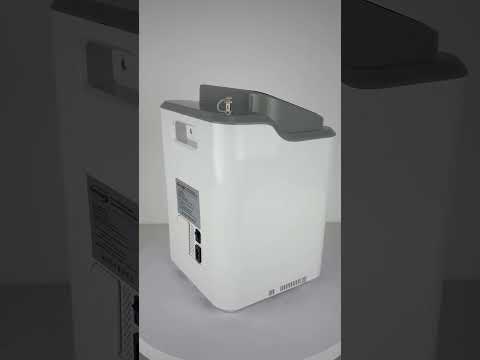
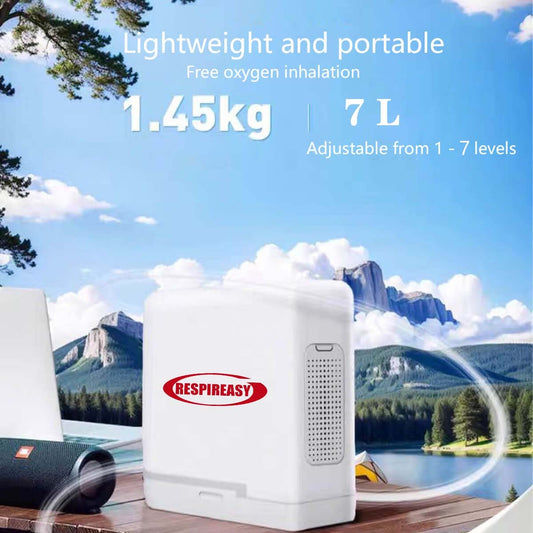
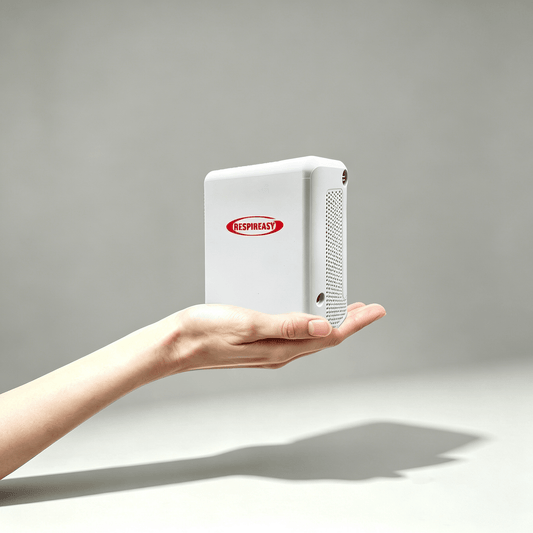
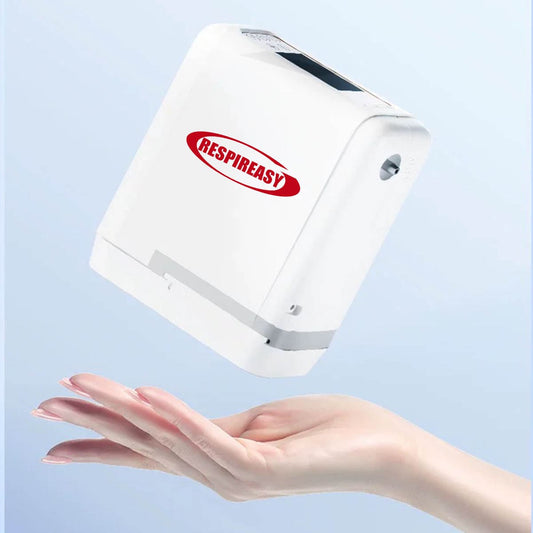
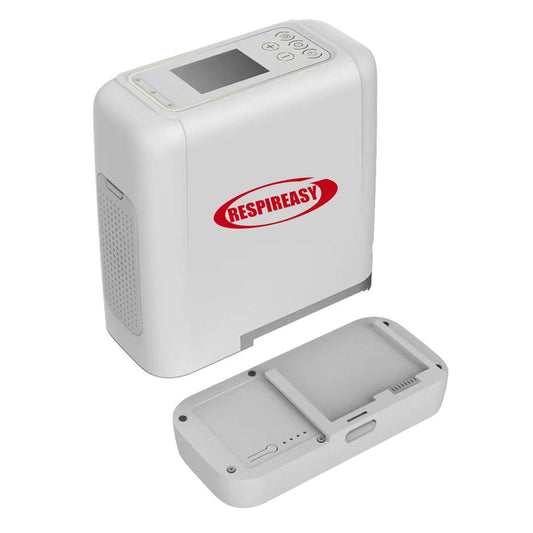
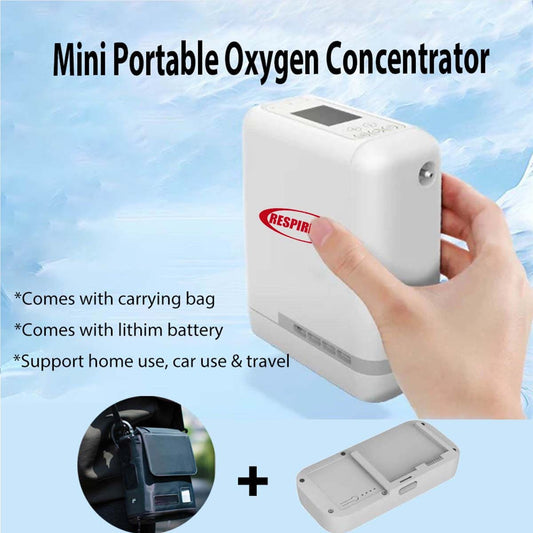
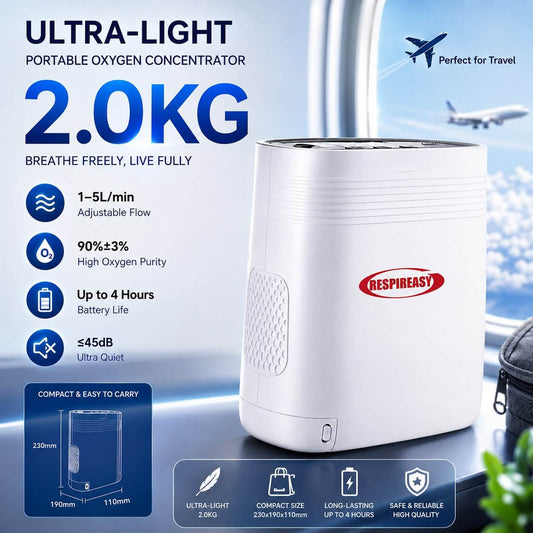
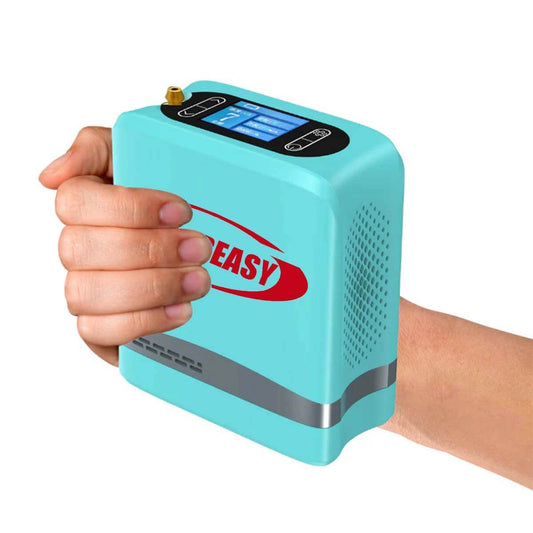
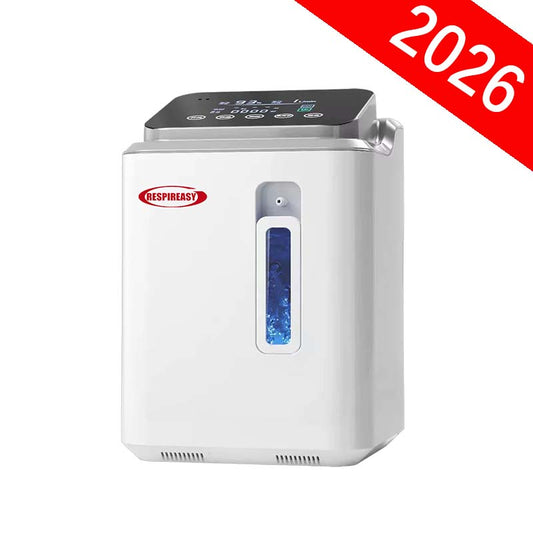
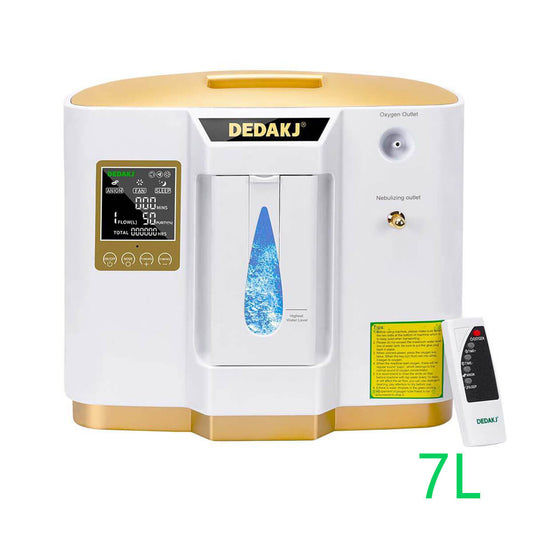
A friend suffering from pulmonary and respiratory issues recently switched from using standalone pressurized oxygen tanks to using a DEDAKJ RESPIREASY REC-7 portable oxygen concentrator (Figure 1). By abandoning his heavy oxygen tanks—which also required replacement every few days—in favor of this small, fully portable device weighing just 3.2 pounds (1.45 kg), he gained a profound sense of personal freedom.


Figure 1: The DEDAKJ RESPIREASY portable oxygen concentrator is lightweight and easy to carry; furthermore, it requires no user maintenance, as it consumes no reagents while "stripping" nitrogen from ambient air.
How does this oxygen-generating device work? What filtration challenges must it overcome?
The secret to its successful design lies not in a single factor, but in the comprehensive consideration of various elements. It is crucial to keep the design objectives and constraints firmly in mind. The device must "purify" the surrounding air and deliver nearly 100% oxygen to the user. Furthermore, the unit must be compact, quiet, and lightweight, with a battery capable of sustaining continuous operation for at least several hours.
Moreover, as a medical device, it must comply with various safety and regulatory requirements—such as fail-safe operation and self-diagnostic capabilities—and must be both easy to use and easy to maintain. Of course, "simple" is a relative term; in this context, it implies that the device requires absolutely no form of maintenance, air filter replacement, or adjustment.
The design of an oxygen concentrator begins with a fundamental premise: ambient air can serve as a "filterable" raw material, given that it consists of 78% nitrogen, 21% oxygen, and 1% other gases (such as carbon dioxide, argon, etc.). If the nitrogen can be effectively filtered out, the remaining primary gas is oxygen with a purity of approximately 90–95%—a level that is more than sufficient for medical use.
So, how is the nitrogen removed? The initial assumption might be that this would require some form of complex chemical reaction—one that would entail the disposal of spent materials, the replenishment of chemical reagents, and other associated hassles. From the standpoint of simplicity and reliability, such an approach would be both overly complicated and unacceptable.
Zeolite Molecular Sieves Tower
At this juncture, experts in minerals and materials science offered a relatively simple solution: utilize a "sieve bed" composed of zeolite (a microporous aluminosilicate mineral) capable of capturing nitrogen. In this scenario, capture is achieved not through absorption or the formation of new compounds, but rather through adsorption. This means that nitrogen adheres to the surface of the zeolite (much like a magnet attracts iron) without forming any new molecular bonds with it. Unfamiliar with zeolites? You can refer to the article "Zeolite Clinoptilolite: Therapeutic Virtues of an Ancient Mineral" published by the National Institutes of Health/National Library of Medicine for an introduction. To address the challenges associated with filter clogging and replacement, the designers employed a technique previously utilized in other systems, albeit on a smaller scale in this application. They utilized two identical sieve beds: one dedicated to adsorption, and the other to purging (Figure 2).

While one sieve bed is actively adsorbing nitrogen, the saturated bed is purged to prepare it for its turn to take over—a transition governed by electronically controlled airflow switches.
The device's compressor pumps air into the first molecular sieve bed until it becomes saturated with unwanted nitrogen. When this occurs, an electronically controlled switching valve—analogous to the fluidic equivalent of a single-pole, double-throw (SPDT) switch—flips over to divert the unfiltered air into the second sieve bed. This second sieve bed serves not merely as a redundancy, but as an integral component of the fundamental operation; simultaneously, a separate switching valve directs the output from the second sieve bed to the user.
This does not mark the conclusion of the sieve bed's filtration cycle. As the second sieve bed begins its operation, the nitrogen trapped within the first sieve bed is simultaneously expelled. Consequently, by the time the second sieve bed becomes saturated, the first sieve bed is ready to take over once again. Thanks to this alternating cycle of filtration and purging, a clean filter is always available to step in when a nitrogen-saturated bed requires replacement, thereby eliminating the need for the user to manually replace the filters.
Achieving this requires far more than just a dual-sieve configuration. In addition to the switching valves, the system incorporates numerous sensors for monitoring and managing pressure, airflow, and electrical systems, alongside various other critical components designed to meet operational and safety requirements. By seamlessly integrating electronic components with specialized materials, fluid management systems, and filtration technology, the result is an oxygen generation device that, while internally complex, remains remarkably simple to operate and maintain.