Home Oxygen Concentrators
Working Principle of Home Oxygen Concentrators:
They utilize molecular sieve physical adsorption and desorption technology. The oxygen concentrator contains molecular sieves which, under pressure, adsorb nitrogen from the air. The remaining unabsorbed oxygen is collected and, after purification, becomes high-purity oxygen. When the pressure is reduced, the molecular sieve releases the adsorbed nitrogen back into the ambient air. During the next pressurization cycle, it can again adsorb nitrogen and produce oxygen. This entire process is a periodic, dynamic cycle, and the molecular sieve is not consumed.
Oxygen Therapy Effects
In summary, the main effects are as follows:
- Relieves nervous fatigue, relaxes the mind and body, maintains abundant energy, and improves work efficiency;
- Improves brain oxygen supply, regulates brain nervous system function, improves memory and thinking ability, and increases learning efficiency;
- Reduces the harm to the body caused by pollution and harsh environments;
- To a certain extent, it can delay aging and enhance metabolism;
- Relieves hypoxemia and meets the needs of tissue metabolism;
- Relieves pulmonary hypertension caused by hypoxia, reduces polycythemia, lowers blood viscosity, reduces the burden on the right ventricle, and delays the onset and progression of cor pulmonale;
- People with illnesses are among those who most need oxygen supplementation, especially those with cardiopulmonary diseases, such as tuberculosis, pneumoconiosis, and emphysema;
- Oxygen inhalation can relieve bronchospasm, reduce shortness of breath, and improve ventilatory function;
- Improves the patient's physical condition and brain function, and improves exercise tolerance and quality of life;
- Improves chronic obstructive pulmonary disease and prolongs life;
- Reduces hospitalizations and saves medical costs;
- Can reduce post-operative infections and nausea and vomiting.

DEDAKJ - RespirEasy Oxygen Concentrators Manufacturer has been deeply involved in the oxygen therapy industry for over ten years, possessing a complete after-sales service system. Adhering to the service philosophy of "customer-centricity, improving customer satisfaction, and creating customer value," they are committed to providing customers with high-quality oxygen concentrators.
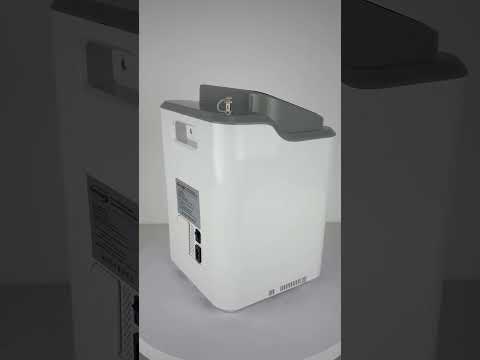
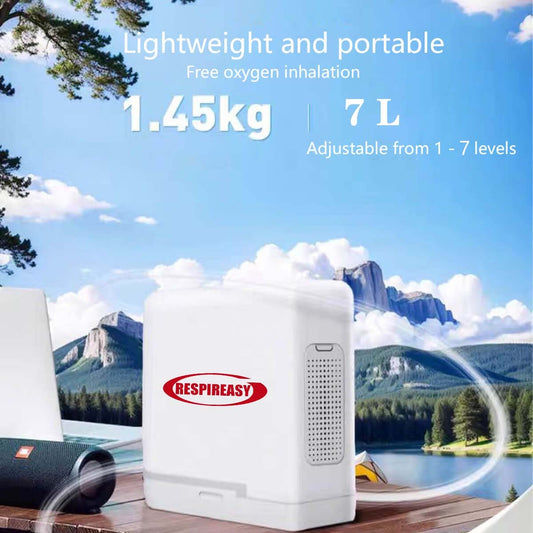
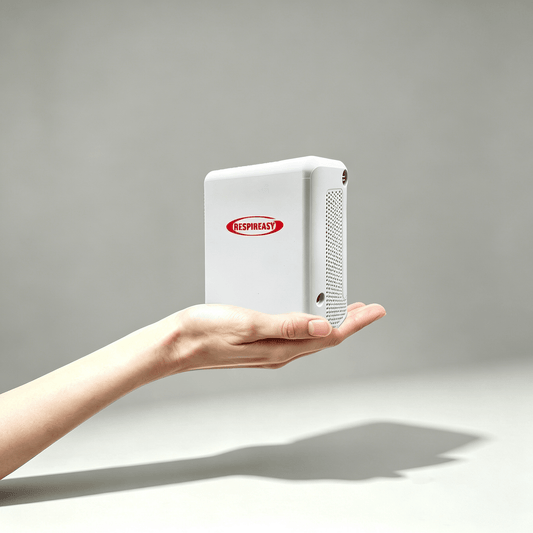
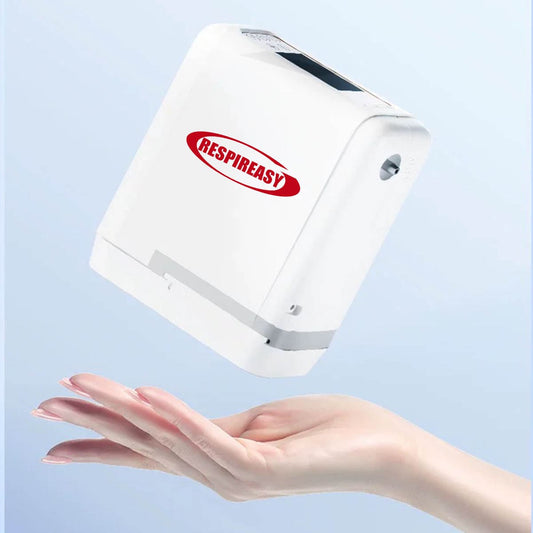
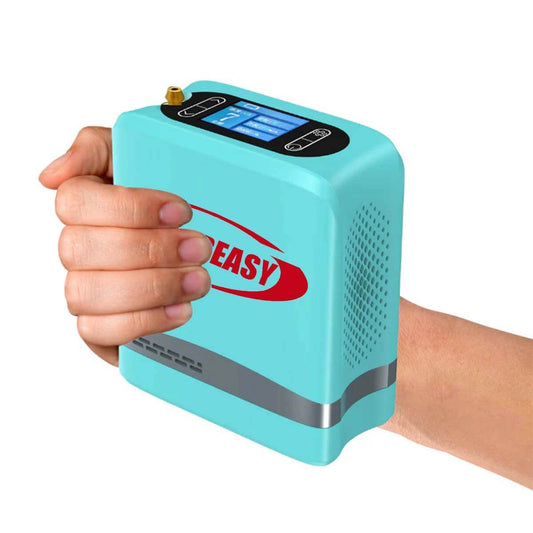
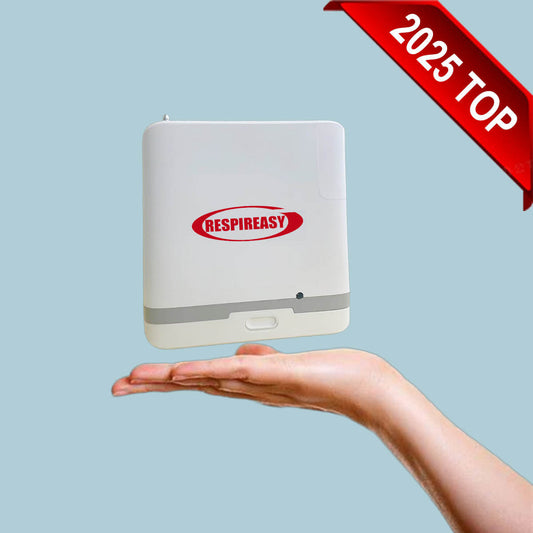
- Portable Oxygen Concentrators: Small in size, suitable for use during travel or outdoor activities.
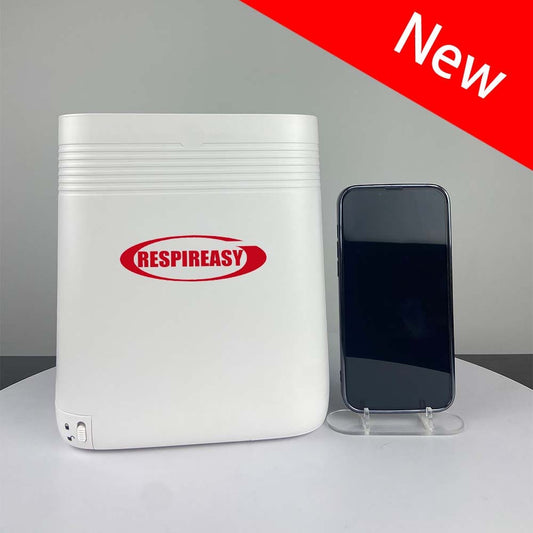
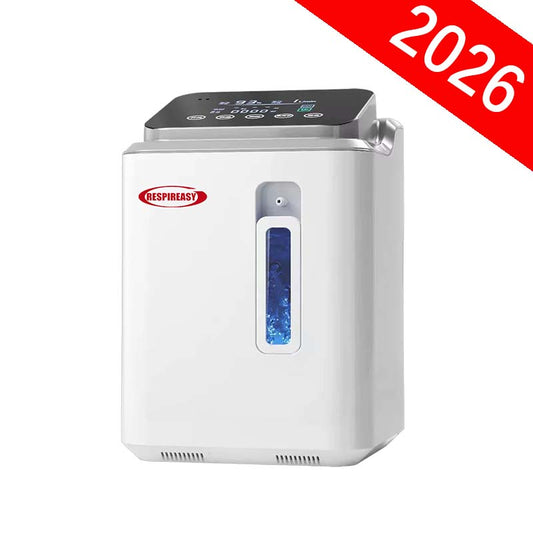
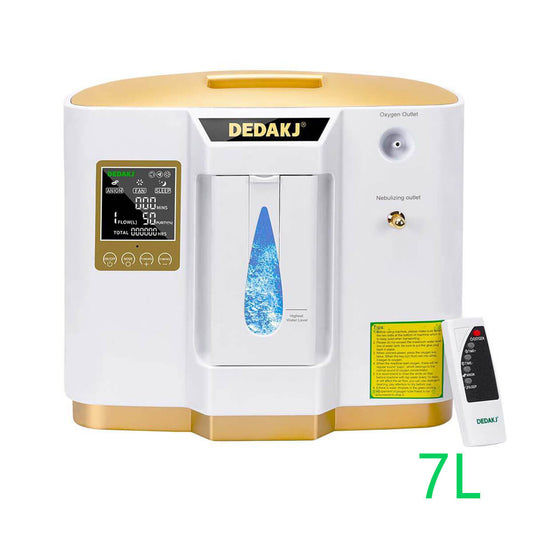
- Stationary Home Oxygen Concentrators: Medium in size, suitable for use in home environments.
- Powerful Medical Oxygen Concentrators: Large in size, 10 liters 20 liters or higher oxygen production, suitable for use in medical institutions or for patients requiring high concentrations of oxygen.


Oxygen therapy and oxygen health care utilize oxygen supplementation to improve the physiological and biochemical internal environment of the human body, promoting a virtuous cycle of metabolic processes, thereby achieving the goals of treating diseases, relieving symptoms, promoting recovery, preventing lesions, and improving health. Clinical practice has proven that oxygen therapy, with its unique therapeutic mechanism, can effectively treat acute and chronic ischemic and hypoxic diseases and secondary diseases caused by hypoxia in various clinical departments. Appropriate oxygen therapy can improve microcirculation, reduce the respiratory system load required to maintain a certain alveolar oxygen partial pressure, and reduce the myocardial load required to maintain a certain arterial blood oxygen partial pressure. Therefore, oxygen therapy and oxygen health management play an irreplaceable and important role with broad development prospects in clinical medicine, preventive medicine, emergency medicine, geriatrics, rehabilitation, and health care.
Oxygen therapy refers to increasing the oxygen concentration of inhaled gas and improving tissue oxygen supply by providing oxygen when the body is hypoxic or about to become hypoxic. Generally, oxygen therapy is used to correct pathological hypoxia and as an auxiliary treatment for diseases; oxygen emergency treatment is used for critically ill patients and accident victims; and oxygen health management is used to supplement physiological hypoxia in those engaged in strenuous mental work, the elderly, pregnant women, and patients in the recovery period of chronic diseases, as well as to supplement various environmental hypoxia, as a means of preventing hypoxia. Compared with other medical and health methods, oxygen therapy and oxygen health management are active, direct, fast, and safe methods.


Oxygen Concentrator Usage Instructions
1. Install the main unit with wheels for floor placement or mount it on a wall using the mounting bracket, and install the air intake filter.
2. Install the oxygen supply unit mounting plate on the wall or support as needed, and then hang the oxygen supply unit.
3. Connect the oxygen supply unit's oxygen outlet with the oxygen tube, and connect the 12V power cord of the oxygen supply unit to the 12V power cord of the main unit. If multiple oxygen supply units are connected in series, simply use a three-way connector. Secure the tubing with wire clips.
4. Plug the main unit's 110V/ 220V power cord into the wall socket; the red light on the oxygen supply unit will illuminate.
5. Add purified water to the humidification cup to the designated level. Then attach it to the oxygen outlet of the oxygen supply unit.
6. Connect the oxygen tube to the oxygen outlet of the humidification cup.
7. Press the start button on the oxygen supply unit; the green indicator light will illuminate, and the oxygen concentrator will begin operation.
8. Adjust the flow rate to the desired level according to the doctor's instructions.
9. Following the instructions and diagrams on the oxygen mask or nasal cannula packaging, properly attach the nasal cannula or put on the mask to administer oxygen.