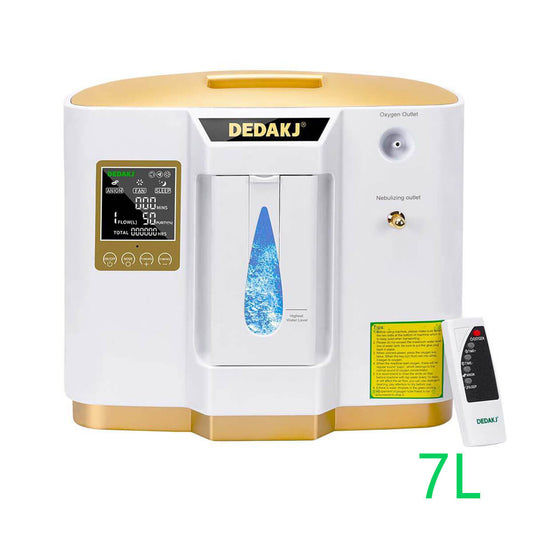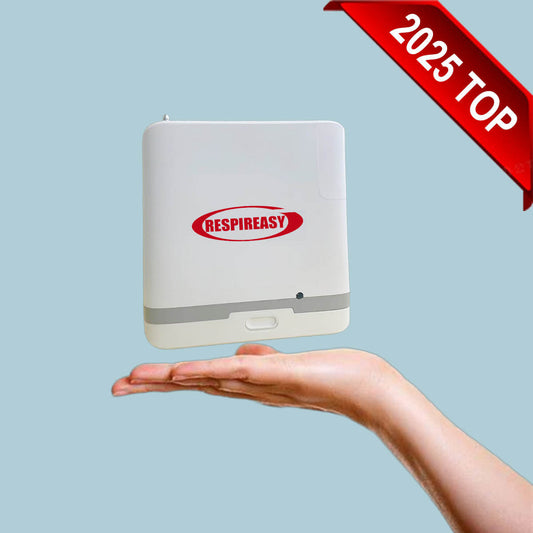
Home Oxygen Therapy with the Oxygen Concentrators
Home Oxygen Therapy
1. Oxygen therapy should be administered, especially at night.
2. Choose oxygen therapy time scientifically; for patients with mild hypoxia, 30 minutes to 1 hour of oxygen therapy daily is sufficient; for patients with severe bronchitis, cardiovascular disease, or severe asthma, home oxygen therapy experts recommend more than 12 hours of oxygen therapy daily to ensure sufficient oxygen intake.
3. Choose an appropriate oxygen flow rate; for patients with general hypoxia, an oxygen flow rate of 2-3 L/min is suitable; for patients with severe hypoxia, an oxygen flow rate of 5 L/min or higher is more appropriate. It is best to consult a relevant physician to select the oxygen flow rate based on the patient's actual condition.
4. Change the water in the humidification tank frequently; generally, when the water in the humidification tank becomes slightly cloudy, it must be changed and cleaned. Home oxygen therapy experts recommend changing the water in the humidification tank and cleaning it daily to ensure hygienic oxygen use.
5. Nasal cannula and nasal inhaler cannulas should be cleaned and disinfected regularly; ideally, they should be disinfected daily and replaced weekly. Combining points three and four maximizes the hygiene of oxygen therapy.
6. Pay attention to safety measures during oxygen therapy; because oxygen is flammable, it should be kept away from open flames during inhalation. When not using a home oxygen concentrator, it should be placed in a cool, well-ventilated area.


Precautions for Oxygen Therapy
(1) Closely observe the effect of oxygen therapy. If symptoms such as difficulty breathing are reduced or alleviated, and the heart rate is normal or near normal, the oxygen therapy is effective. Otherwise, the cause should be investigated and addressed promptly.
(2) High-concentration oxygen therapy should not be administered for too long. Generally, it is believed that oxygen poisoning may occur if the oxygen concentration is >60% and continues for more than 24 hours.
(3) Giving high-concentration oxygen to patients with acute exacerbations of chronic obstructive pulmonary disease may lead to respiratory depression and worsen the condition. Controlled (i.e., low-concentration continuous) oxygen therapy is generally more appropriate. (4) Oxygen therapy requires careful warming and humidification. Maintaining a respiratory tract temperature of 37°C and 95%–100% humidity is essential for the normal clearance function of the mucociliary system. Therefore, inhaled oxygen should be passed through a humidification bottle and a necessary warming device to prevent the inhalation of dry, cold oxygen from irritating and damaging the airway mucosa, causing sputum to dry out, and affecting the "cleaner" function of the cilia.
(5) Prevent contamination and catheter blockage. Nasal cannulas, oxygen delivery catheters, humidification and warming devices, and ventilator tubing systems should be frequently replaced, cleaned, and disinfected to prevent cross-infection. Oxygen delivery catheters and nasal cannulas should be checked regularly for secretions and replaced promptly to ensure effective and safe oxygen therapy.
(5) Oxygen concentrators can be used in conjunction with ventilators for more effective oxygen therapy.
Oxygen is very important to the human body. Healthy individuals naturally breathe air and utilize its oxygen to maintain their metabolic needs under normal conditions. When ill or in certain abnormal states, oxygen must be inhaled at home, in a clinic, or in a hospital using appropriate equipment.
Oxygen Concentrator Inhalation Methods
(1) Nasal Pouch and Nasal Cannula Oxygen Inhalation: This method is simple and convenient to use. There are two types of nasal pouches: single and double. For the single pouch method, a suitable size is inserted into one nostril, ensuring close contact with the nasal cavity (the other nostril is open). Only oxygen enters during inhalation, resulting in a relatively stable oxygen concentration. For the double pouch method, two smaller nasal pouches are placed simultaneously in both nostrils, leaving space around them for simultaneous air intake, making the patient more comfortable, but the oxygen concentration is less stable. For the nasal cannula method, a catheter (often a urinary catheter) is inserted through the nostril into the soft palate at the top of the nasal cavity. The oxygen concentration is constant, but prolonged use can cause discomfort and is easily blocked by secretions. Nasal pouch and nasal cannula oxygen inhalation are generally only suitable for low-flow oxygen supply. Higher flow rates and impact forces can be unbearable and can easily lead to dryness of the airway mucosa.
(2) Face Mask Oxygen Inhalation: This can be divided into open and closed face mask methods. Open-face mask is placed 1-3 cm away from the patient's mouth and nose, suitable for children, and can be used without any discomfort. Closed-face mask is used where the mask is tightly placed over the mouth and nose and secured with elastic bands, suitable for those with more severe hypoxia, with oxygen concentrations reaching 40%-50%, providing greater comfort and without mucosal irritation or dryness. However, it consumes more oxygen and has the disadvantage of inconvenience in eating and expectoration.
(3) Transtracheal tube oxygen therapy: This method uses a thin tube inserted through the nasal cavity into the trachea for oxygen supply, also known as endotracheal oxygen therapy. It is mainly suitable for chronic respiratory failure caused by chronic obstructive pulmonary disease and pulmonary interstitial fibrosis, requiring long-term oxygen inhalation, where conventional oxygen therapy is ineffective. Because oxygen is supplied directly into the trachea via a tube, the efficacy can be significantly improved. A lower flow rate is sufficient to achieve a higher effect, and oxygen consumption is very small.
(4) Electronic pulse oxygen therapy: This is a new method that uses an electronic pulse device to automatically deliver oxygen during inspiration and automatically stop oxygen delivery during expiration. This is more in line with the physiological state of breathing and greatly saves oxygen. Suitable for nasal congestion, nasal cannula, and endotracheal oxygen therapy.
(5) Mechanical ventilation oxygenation: This involves using the oxygen supply device on a ventilator during mechanical ventilation. The oxygen concentration can be adjusted according to the patient's condition (21%–100%). Oxygen sources for oxygen therapy are generally oxygen cylinders equipped with pressure gauges to indicate the oxygen level. A flow meter is installed during oxygen supply, and the flow rate is adjusted as needed.
Oxygen Concentrator Maintenance:
1. Regularly check the humidification tank of the small home oxygen concentrator and clean the dirt inside. This is beneficial for oxygen cleanliness, especially for those directly inhaling oxygen; ensuring the humidification tank is clean is crucial.
2. Depending on the usage environment, the oxygen air filter should be replaced every 2-4 months. Oxygen air filters protect oxygen concentrators from dust, pet hair, and other air pollutants, ensuring cleaner oxygen for patients with chronic obstructive pulmonary disease (COPD), preventing the inhalation of harmful particulate matter, and protecting against infections caused by air pollution. Expired oxygen filters may cause home oxygen concentrators to malfunction.
Therefore, oxygen filters should be replaced promptly.
3. Regularly check the compressor system of your small home oxygen concentrator for leaks. If leaks are found, repair them immediately; otherwise, the oxygen outlet pressure will not reach the required level, affecting oxygen production and absorption.
4. Check the air drying system of your small home oxygen concentrator. Inspect the dryer and oil-water separator, and clean out any impurities. To do this, first blow air into the oxygen outlet to increase internal pressure. Then open the oxygen outlet valve to release the air. Repeat this process several times to remove all impurities.
5. Check the oxygen inhalation tube and oxygen outlet connection of the small home oxygen concentrator for aging and leaks. Leaks will reduce the oxygen outlet pressure, affecting the oxygen delivery effect. It's best to replace the oxygen inhalation tube regularly.
6. Check the nebulizer of the small home oxygen concentrator to ensure it has sufficient moisture. Otherwise, the produced oxygen will be too dry, which can have adverse effects on people with respiratory sensitivities or those who breathe dry air for extended periods. It's best to change the water in the nebulizer regularly to ensure it's clean and adequately moist.