



How to Choose a Home Oxygen Concentrator?
The Ultimate 2026 Buying Guide & Top Oxygen Concentrator Brands
An oxygen concentrator, much like a pulse oximeter, has become an increasingly important healthcare device for many families. For households caring for older adults with respiratory conditions such as COPD (chronic obstructive pulmonary disease) or pulmonary fibrosis, having a reliable medical-grade oxygen concentrator can be essential for long-term oxygen therapy.
However, with so many options on the market—from 3-liter and 5-liter oxygen concentrators to products marketed for “wellness” versus medical use—choosing the right home oxygen concentrator can be confusing.
In this comprehensive 2026 oxygen concentrator buying guide, we explain the most important factors to consider before buying and take a closer look at two popular brands: RESPIREASY and DEDAKJ.

1. What to Know Before Buying an Oxygen Concentrator
Many people start their research by asking questions such as “What is the difference between a 3L and 5L oxygen concentrator?” or “Are cheap oxygen concentrators safe to use?”
To avoid common mistakes, focus on these three key factors.
1. A Home Oxygen Concentrator Is a Medical Device—not a Wellness Product
The first rule is simple: if an oxygen concentrator is intended to support the treatment of a respiratory condition, you should choose a properly regulated medical device rather than a product marketed simply for general wellness.
Some low-flow 1L or 2L oxygen machines are marketed for general wellness or occasional oxygen use. However, they may not provide the oxygen flow rate or oxygen concentration required for patients who have been prescribed supplemental oxygen therapy.
For patients with COPD, pulmonary disease, or other conditions requiring oxygen therapy, always follow your healthcare provider's recommendations and choose a device that meets the applicable medical-device requirements in your country.
2. The Three Key Specifications: Oxygen Concentration, Flow Rate, and Noise
These are among the most important specifications when comparing oxygen concentrators.
Oxygen Concentration: The Most Important Performance Indicator
For medical oxygen concentrators, oxygen concentration is a critical specification.
Many medical-grade concentrators are designed to deliver oxygen concentrations around 93% ± 3%, depending on the model and operating conditions. When shopping for an oxygen concentrator, check the manufacturer's specifications and make sure the device can maintain its rated oxygen concentration at the flow rate you need.
A low oxygen concentration alarm is also an important safety feature because it can alert the user when oxygen output falls below the specified level.
Flow Rate: Choose According to Your Oxygen Prescription
1–2 L/min:
Generally intended for lower-flow applications. Whether this is appropriate depends on the user's medical needs and prescribed oxygen flow rate.
3 L/min:
A common entry-level flow range for home oxygen concentrators. It may be suitable for patients whose prescribed oxygen flow is within this range.
5 L/min and above: A Popular Choice for Home Oxygen Therapy
A 5-liter oxygen concentrator is one of the most common choices for home oxygen therapy because it provides greater flow capacity than many entry-level units.
Some 5L models are designed for 24/7 continuous operation and can maintain their rated oxygen concentration across their specified flow range. Certain models may also be compatible with oxygen therapy accessories or respiratory devices.
If you're trying to decide between a 3L vs. 5L oxygen concentrator, If a 5L unit meets your prescribed requirements and your budget allows it, the additional flow capacity may provide greater flexibility for long-term home use.
Noise Level: Especially Important for Nighttime Use
Noise can significantly affect comfort, particularly when an oxygen concentrator is used in a bedroom.
While regulatory and industry requirements vary by market and device, many users prefer a quiet oxygen concentrator below 45 dB for nighttime use. Some newer models are engineered to operate at approximately 38–40 dB, helping reduce disruption during sleep.
When comparing models, don't look at oxygen output alone—noise level, continuous operating capability, power consumption, and overall reliability also matter.
3. Living at High Altitude? Look for an Oxygen Concentrator Designed for High-Altitude Use
If you live at a high altitude, choosing the right oxygen concentrator requires additional consideration.
Lower atmospheric pressure can affect the performance of some oxygen concentrators. Before purchasing, check whether the manufacturer specifies a high-altitude operating range for the model.
If you live in a high-altitude area, choose a concentrator that has been tested and specified for your local elevation and always follow your healthcare provider's oxygen prescription.
2. Oxygen Concentrator Brand Overview: RESPIREASY & DEDAKJ
Below is an overview of two oxygen concentrator brands and their product lines.
1. DEDAKJ
Official Website: dedakjoxygenconcentrators.com
Brand Overview
DEDAKJ is an established medical-device manufacturer offering both home oxygen concentrators and portable oxygen concentrators. The brand focuses on practical designs, competitive pricing, and a broad product range for different oxygen therapy needs.
Popular DEDAKJ Models

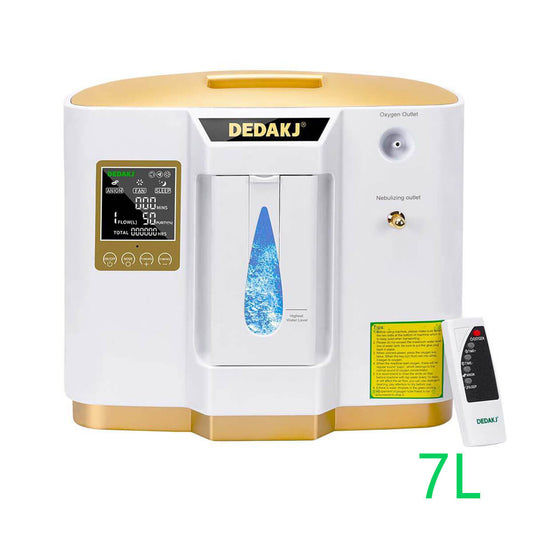
DE-2A — Home Oxygen Concentrator
- Adjustable oxygen flow range
- Designed for long-term home use
- Nebulizer function
- Noise level of approximately 45 dB
- Suitable for users looking for a versatile home oxygen machine
Y Series Portable Oxygen Concentrators
Models such as the Y5 and Y7 focus on portability and mobility. They are designed for users who need supplemental oxygen while traveling or participating in outdoor activities.
2. RESPIREASY
Official Website: RESPIREASY
Brand Overview
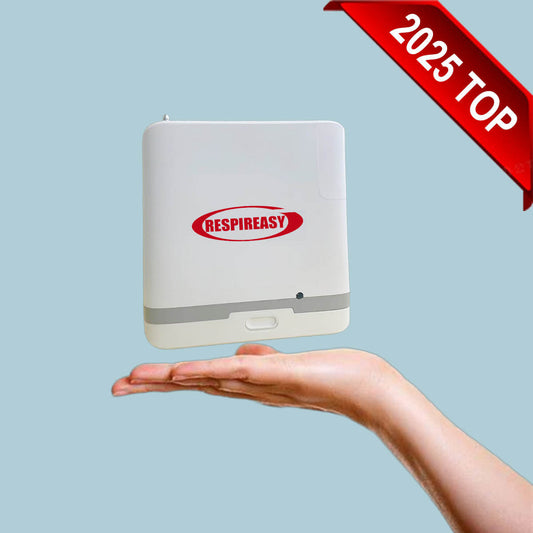
RESPIREASY focuses on medical-grade oxygen concentrators, including home and portable oxygen solutions. Its product range emphasizes stable oxygen delivery, compact designs, and portability.
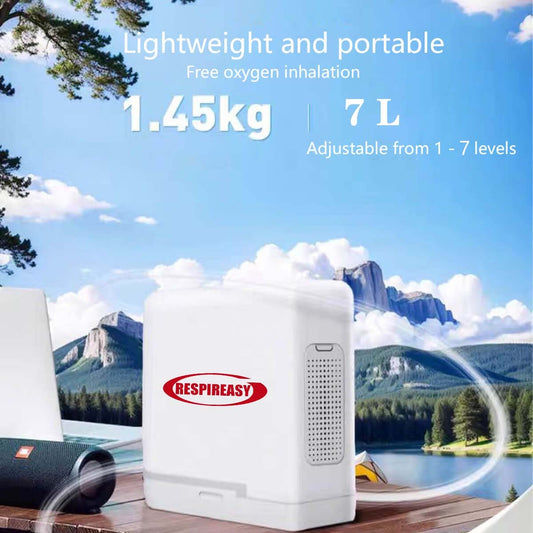
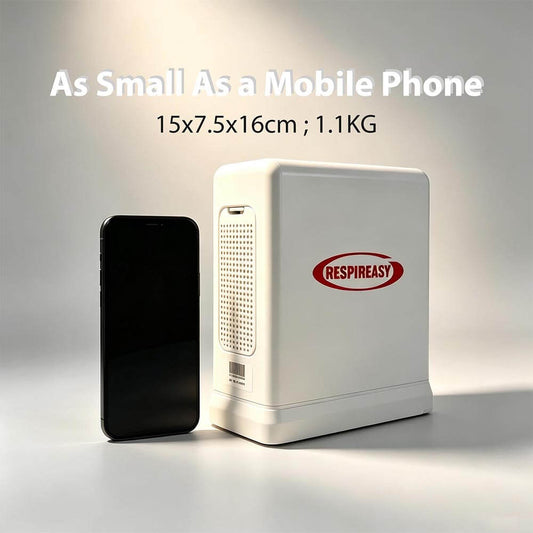
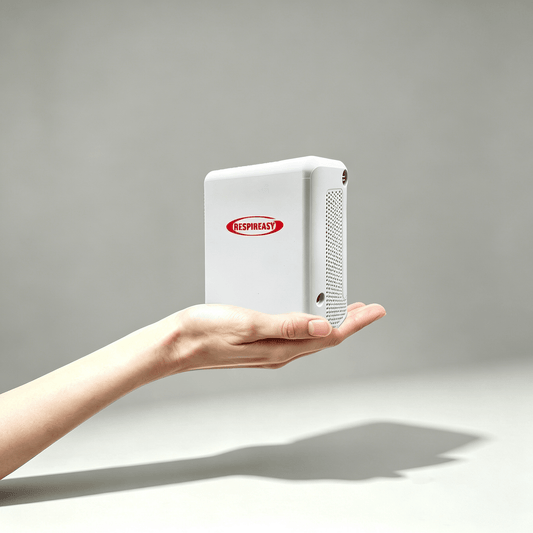
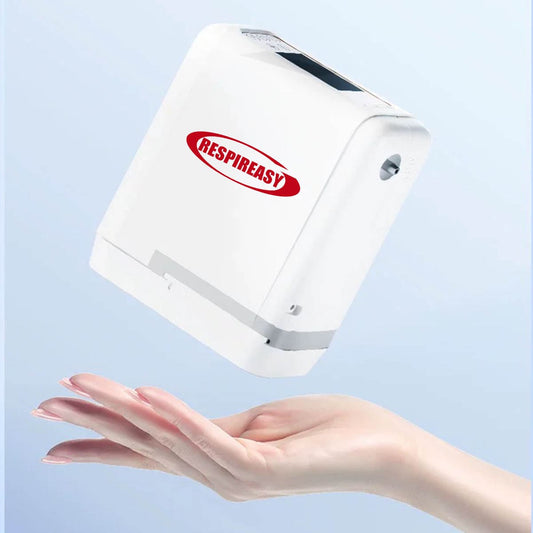
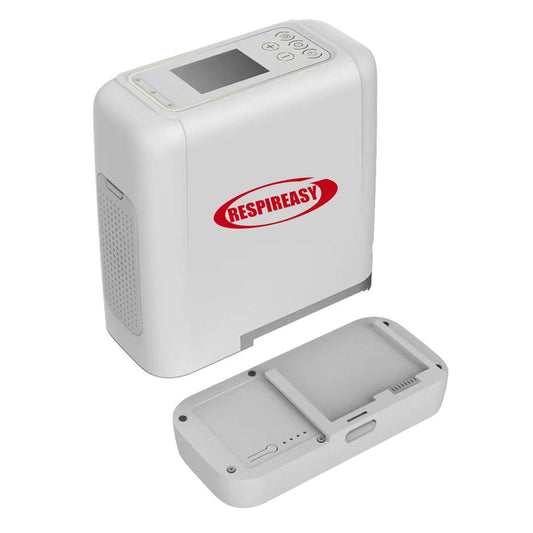
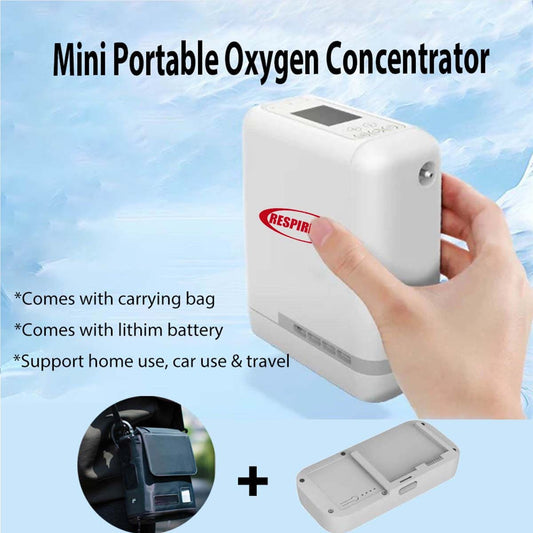
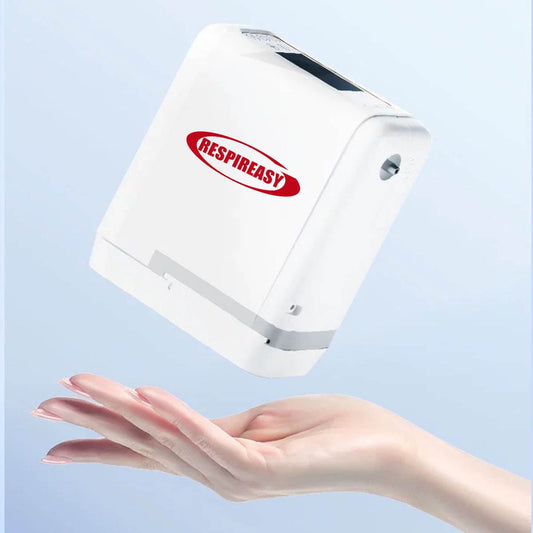
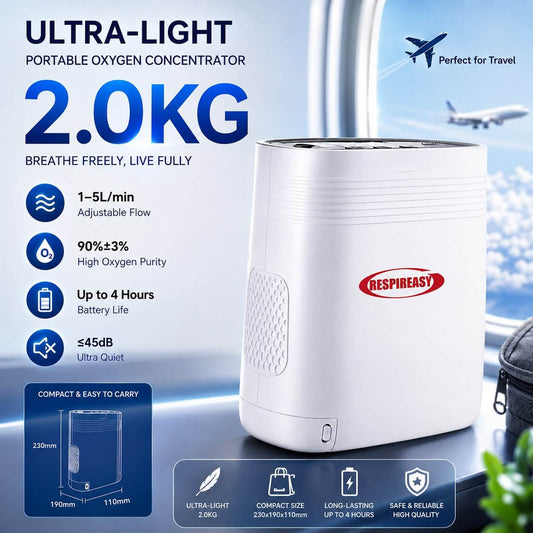
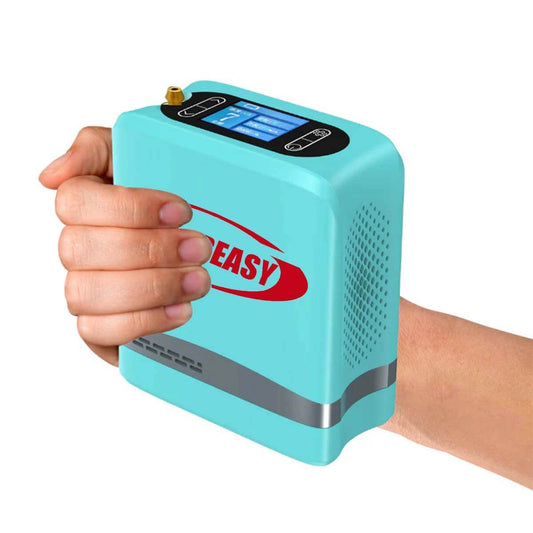
The RE-Y7 portable oxygen concentrator is designed for users who want a lightweight solution for travel and everyday mobility, with operating noise as low as approximately 38 dB.

Popular RESPIREASY Models
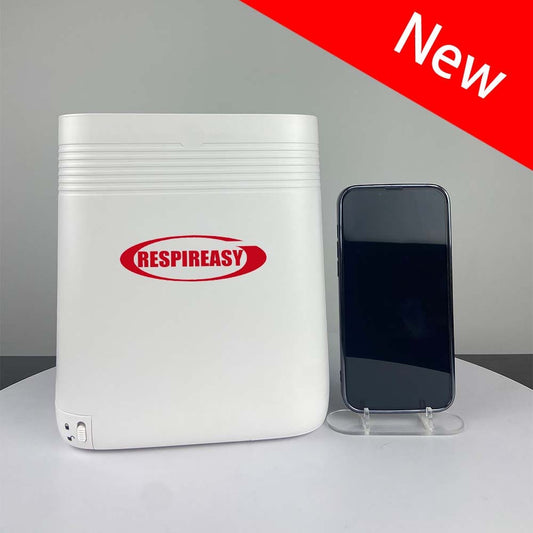
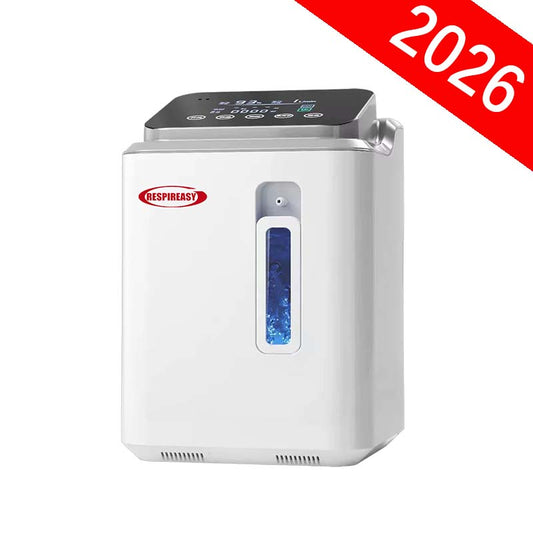
RE-Q1L — New 2026 Home Oxygen Concentrator
- 1–7 L/min oxygen flow
- Compact home oxygen concentrator design
- Oxygen generation and nebulizer functions
- Designed as an upgraded option for home oxygen therapy

RE-Y7 — Portable Oxygen Concentrator
- Approximately 2 kg
- 1–7 L/min pulse-dose oxygen delivery
- Oxygen concentration: 93% ± 3%
- Medical-grade lithium battery
- Up to 5 hours of battery runtime, depending on operating conditions
- Designed for portable oxygen use and travel
For air travel, always verify the airline's current requirements and whether the specific oxygen concentrator model is approved or accepted for use onboard before traveling.
3. Best Oxygen Concentrator Recommendations by Use Case
Choosing the best oxygen concentrator depends on your prescribed oxygen flow rate, how often you need oxygen, whether you need portability, and your lifestyle.
Use Case 1: Long-Term Home Oxygen Therapy
Recommended Models:
DEDAKJ DE-2A or RESPIREASY RE-Q1L
Why?
Both are designed as higher-flow home oxygen concentrators and are intended for extended home use.
Depending on the specific configuration, features may include:
- Higher oxygen flow capacity
- Long-duration or continuous operation
- Stable oxygen concentration within the manufacturer's specified range
- Nebulizer functionality
- Home-use design
For patients with COPD, pulmonary fibrosis, or other respiratory conditions, the appropriate oxygen flow rate should always be determined by a healthcare professional.
Use Case 2: Travel, Outdoor Activities & Everyday Mobility
Recommended Model:
RESPIREASY RE-Y7 Portable Oxygen Concentrator
Why?
The RE-Y7 is designed for users who need a more portable oxygen solution.
Key features include:
- Approximately 2 kg
- Compact and lightweight design
- Low operating noise
- Pulse-dose oxygen delivery
- Rechargeable battery
- AC power operation
- DC/car power option
- Up to 5 hours of battery runtime under specified conditions
This makes it a practical option for users who want greater freedom to travel, go outdoors, or remain active while using supplemental oxygen.
Use Case 3: Lower-Flow or Occasional Oxygen Use
Recommended:
A lower-flow portable oxygen concentrator from the DEDAKJ lineup
Why?
For users who have a relatively low prescribed oxygen flow rate and prioritize portability, a smaller oxygen concentrator may be more convenient.
However, do not choose an oxygen concentrator based solely on price or size. The device must provide the oxygen flow and concentration required for your specific needs.
Final Buying Advice: How to Choose the Right Oxygen Concentrator
When searching for the best home oxygen concentrator in 2026, don't focus on price alone.
Before buying, compare:
- Oxygen concentration
- Maximum oxygen flow rate
- Continuous-flow vs. pulse-dose delivery
- Noise level
- 24/7 operating capability
- Power consumption
- Battery capacity and runtime, if portability is important
- Weight and dimensions
- High-altitude operating capability
- Warranty and after-sales support
- Applicable medical-device certifications and regulatory status
- Compatibility with your prescribed oxygen therapy
Most Important: Follow Your Oxygen Prescription
If you are considering an oxygen concentrator for COPD, pulmonary fibrosis, chronic respiratory disease, or another medical condition, consult your doctor or respiratory therapist before starting home oxygen therapy.
Your healthcare provider should determine the appropriate oxygen flow rate, duration of use, and treatment plan. Never increase or decrease your prescribed oxygen flow based solely on how you feel.
The right oxygen concentrator isn't necessarily the most expensive or the most powerful model. The best oxygen concentrator is the one that meets your prescribed oxygen requirements, provides reliable oxygen delivery, and fits your lifestyle and daily use needs.