



How to Choose an Oxygen Concentrator?
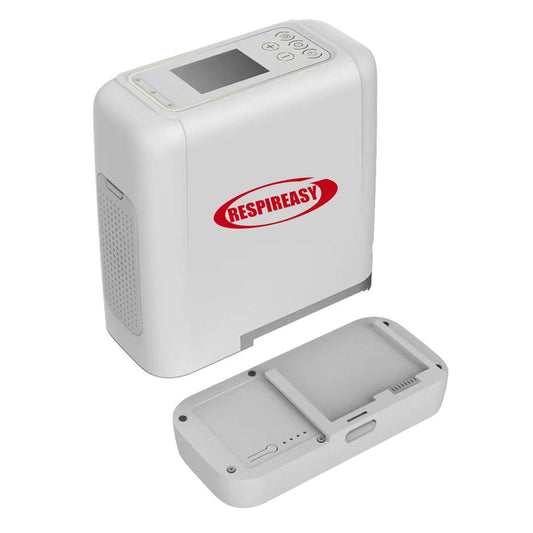
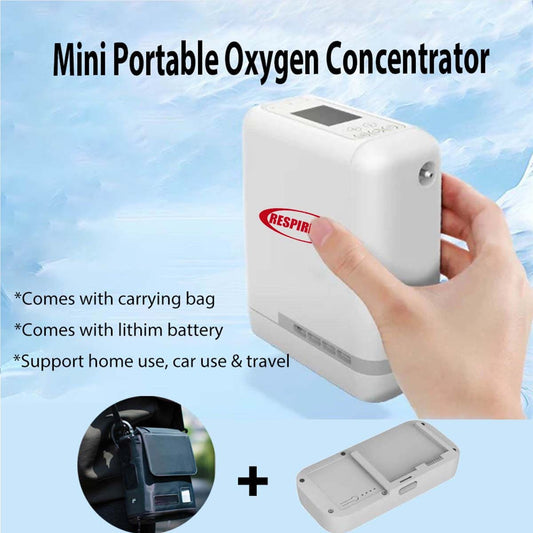
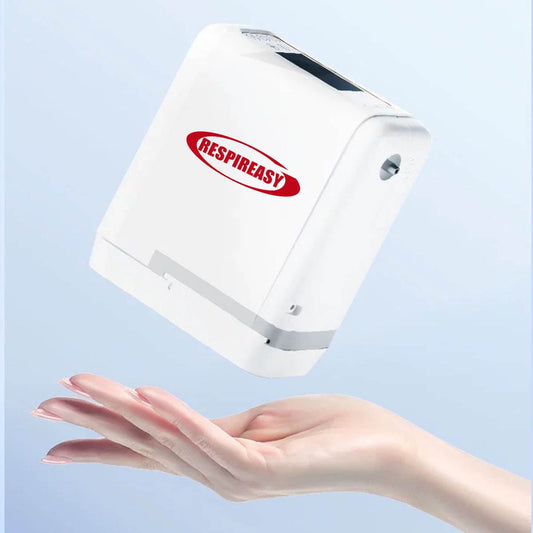
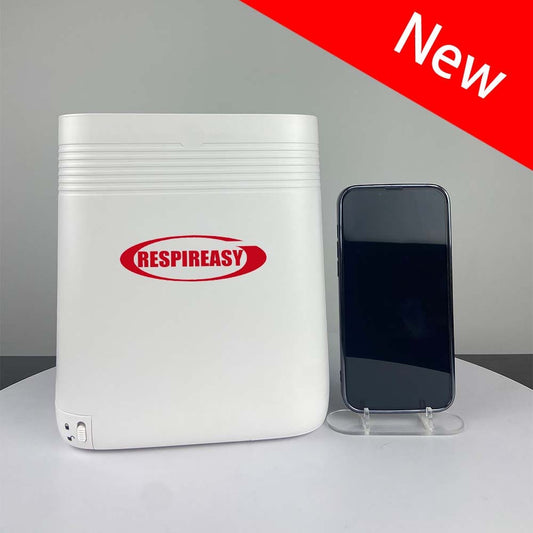
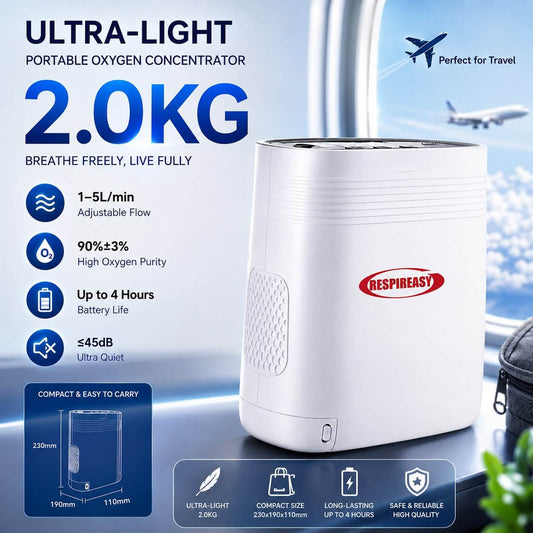
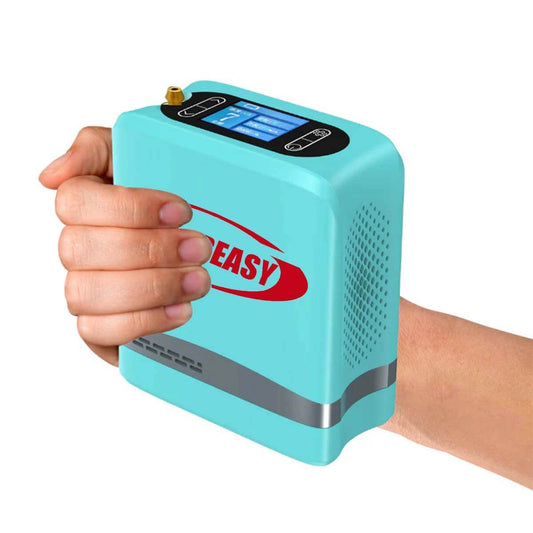
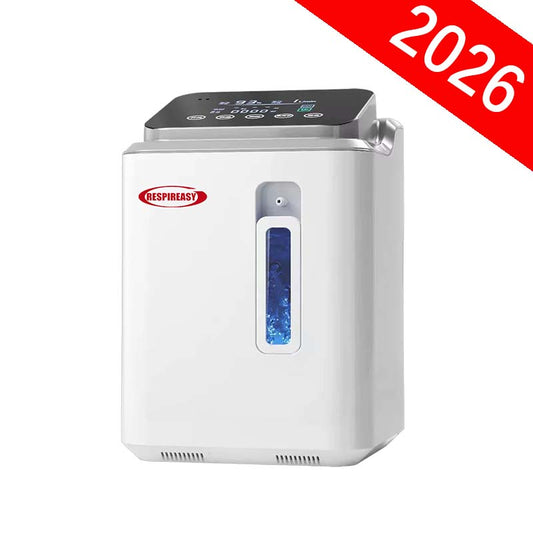
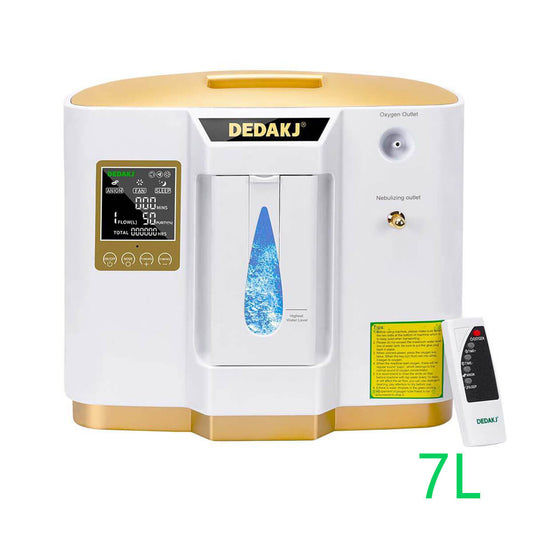
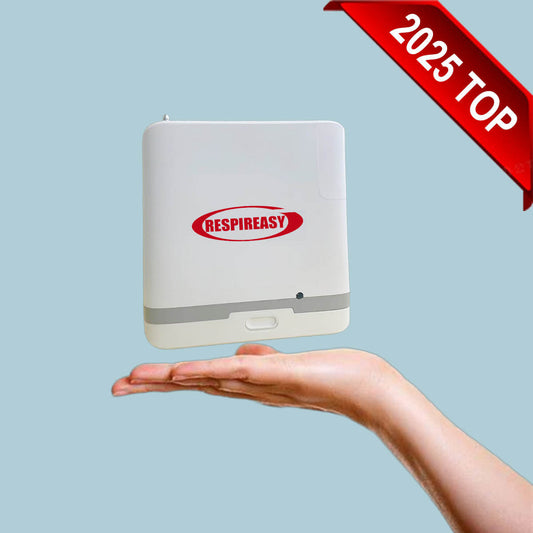
Choosing a suitable oxygen concentrator requires considering multiple factors, including oxygen concentration, oxygen flow rate, continuous operation capability, noise level, and usage scenario. There are numerous brands and models of oxygen concentrators on the market. For example, DEDAKJ, specializing in the research and manufacturing of oxygen therapy equipment, offers home oxygen concentrators, portable oxygen concentrators, and high-flow medical oxygen concentrators. Different users can choose the appropriate oxygen supply solution based on their needs.

Oxygen Concentration of an Oxygen Concentrator
Many people mistakenly confuse the oxygen concentration of an oxygen concentrator with the oxygen concentration of inhaled oxygen, thinking they are the same concept. In fact, they are completely different.
The oxygen concentration of an oxygen concentrator refers to the amount of oxygen contained, or simply the purity of the oxygen output by the concentrator. Different oxygen concentrators have different oxygen concentrations.
To ensure long-term effectiveness, it is recommended to choose an oxygen concentrator that meets the standard of 93% ± 3% oxygen concentration. Medical-grade devices like the DEDAKJ home oxygen concentrator typically employ high-efficiency molecular sieve oxygen generation technology, maintaining a stable oxygen concentration within a specified flow range, making them more suitable for long-term home oxygen therapy needs.
Maximum Oxygen Output of an Oxygen Concentrator Many people are unclear about the meaning of 1L, 3L, and 5L oxygen concentrators. These represent the maximum oxygen flow rate the concentrator can provide per minute while maintaining a standard oxygen concentration.
When the flow rate is adjusted beyond the maximum output, the oxygen concentration may decrease, affecting the oxygen therapy effect.
Therefore, when choosing an oxygen concentrator, it's crucial to consider not only the machine's maximum flow rate but also whether it can consistently maintain a stable oxygen concentration at that flow rate.

Based on maximum output, common oxygen concentrators are currently categorized into 1L, 3L, 5L, and higher flow rates.
■ 1L Oxygen Concentrator
A 1L oxygen concentrator has a maximum oxygen output of 1L/min when the standard oxygen concentration is achieved.
These products are small in size and relatively economical, suitable for daily health maintenance oxygen therapy, such as for short-term use by pregnant women, students, and those engaged in mental work.
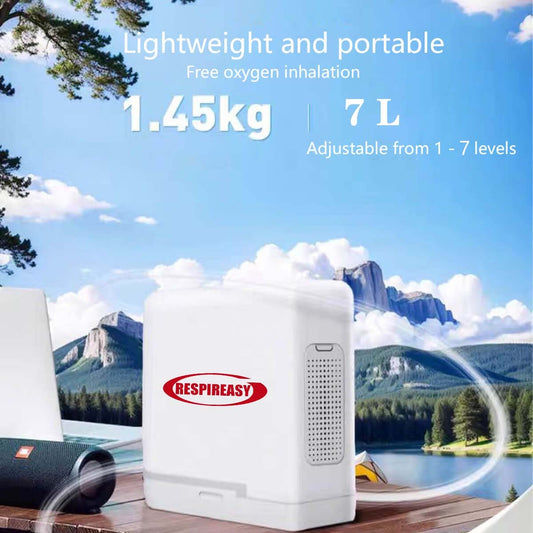
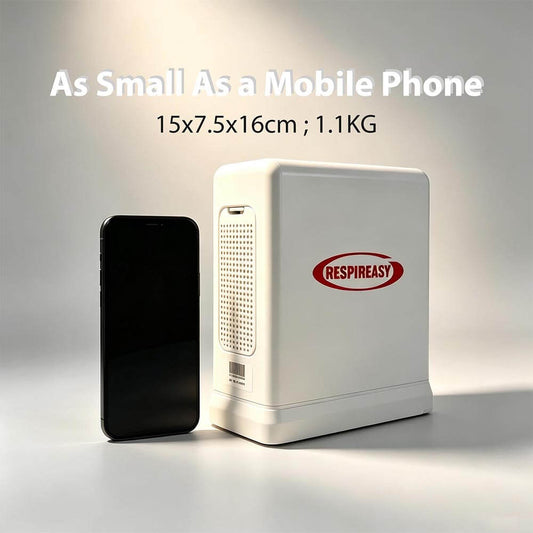
For those whose primary need is to relieve fatigue and improve hypoxic environments, portable oxygen concentrators are a better choice.
For example, the DEDAKJ home oxygen concentrator uses a continuous oxygen supply design, which can meet the needs of extended use in a home environment.
■ 3L Oxygen Concentrator
A 3L oxygen concentrator meets medical oxygen standards, with a maximum oxygen output of 3L/min. The oxygen flow rate is typically adjustable within the range of 0-3L/min.
These oxygen concentrators are suitable for daily home oxygen therapy, such as for some elderly people, patients with chronic diseases, and those who need to improve their blood oxygen saturation.
When choosing a 3L oxygen concentrator, pay attention to the brand's technological stability.
■ 5L Oxygen Concentrator
A 5L oxygen concentrator, when the oxygen concentration meets the standard, can achieve a maximum oxygen output of 5L/min.
For individuals with COPD, pulmonary heart disease, and those requiring long-term oxygen therapy, medical-grade oxygen concentrators with a capacity of 5L or higher are highly recommended.
Long-term oxygen therapy not only requires sufficient oxygen flow but also demands that the machine maintain a stable oxygen concentration during extended operation. Therefore, medical-grade products like the DEDAKJ 5L -10L home oxygen concentrator place greater emphasis on compressor performance, heat dissipation design, and continuous operational stability.
Continuous Oxygen Supply Time
For general health maintenance, some smaller oxygen concentrators may not meet the needs of prolonged continuous operation.
However, most medical-grade oxygen concentrators designed for therapeutic purposes support 24-hour continuous operation.
For example, patients with COPD and chronic respiratory failure typically require more than 15 hours of oxygen therapy daily; therefore, choosing an oxygen concentrator capable of stable long-term operation is crucial.
When purchasing, pay attention to whether the device supports continuous operation and its ability to maintain oxygen concentration after long-term use.
Oxygen Concentrator Noise Level
It is recommended to choose an oxygen concentrator with low noise levels; noise levels typically below 45-48 decibels offer greater comfort.
The noise level of an oxygen concentrator is related to the compressor, motor, internal structural design, and heat dissipation system.
Generally speaking, medical-grade oxygen concentrators, due to their larger internal space, can employ more sophisticated vibration reduction and noise reduction designs.
How to Choose an Oxygen Concentrator?
Before purchasing an oxygen concentrator, in addition to understanding core parameters such as oxygen concentration and flow rate, you also need to pay attention to the following points:
■ Clarify Your Oxygen Needs
First, determine the purpose of purchasing the oxygen concentrator:
· Daily health maintenance oxygen therapy;
· Home care for the elderly;
· Long-term oxygen therapy for chronic diseases;
· Portable oxygen therapy while traveling.
Different usage scenarios require different oxygen concentrators.
For example, patients undergoing long-term oxygen therapy should prioritize medical-grade oxygen concentrators that can operate stably 24 hours a day, while travel users are more suited to lightweight portable oxygen concentrators.
■ Emphasize the Quality and Long-Term Value of the Oxygen Concentrator
Oxygen concentrators are long-term devices, so it is not recommended to focus solely on price.
Excellent oxygen concentrators need to have a stable oxygen production system, a reliable compressor, a high-efficiency molecular sieve, and comprehensive after-sales service.
For example, DEDAKJ, as a professional oxygen concentrator brand, has focused on the research and development of home oxygen therapy equipment for many years, providing users with a range of products from portable oxygen concentrators to high-flow medical oxygen concentrators.
■ Practicality First, Don't Blindly Pursue Appearance
Home oxygen concentrators are medical auxiliary devices; stability, safety, and durability are more important than aesthetic design.
Especially for people who inhale oxygen for extended periods daily, the following should be considered:
· Does it support long-term operation?
· Is the oxygen concentration stable?
· Is the heat dissipation design reasonable?
· Is it easy to maintain?
■ Nebulization Function
For patients with respiratory diseases such as COPD and asthma, if the oxygen concentrator also has a nebulization function, it can reduce the inconvenience of frequent hospital visits and improve the convenience of home care.
Some DEDAKJ home oxygen concentrator models,such as RE-Q1LW integrate nebulization functions to meet the needs of home oxygen therapy and nebulization care.

■ It is recommended to purchase from official channels of reputable brands
When purchasing an oxygen concentrator, it is recommended to choose official sales channels of reputable brands.
For example, the official DEDAKJ store offers home oxygen concentrators, portable oxygen concentrators, and high-flow medical oxygen concentrators (10L-20L). Users can choose the appropriate model according to their needs and receive more comprehensive after-sales support.
Precautions for using oxygen concentrators
■ Oxygen concentrators have four "fears":
They are afraid of fire, heat, dust, and moisture.
Therefore, when using an oxygen concentrator, it is essential to keep it away from fire sources, avoid direct sunlight, and high-temperature environments. Regularly replace, clean, and disinfect nasal cannulas, oxygen delivery tubes, and humidification heating devices to prevent cross-infection and tube blockage. When the oxygen concentrator is not used for an extended period, disconnect the power, empty the water from the humidification bottle, wipe the surface of the oxygen concentrator clean, cover it with a plastic cover, and store it in a dry place away from direct sunlight. Before transporting the machine, empty the water from the humidification cup, as water or moisture can damage important components (such as molecular sieves, compressors, and air control valves).
■ When administering oxygen, pay attention to proper heating and humidification.
Maintaining a respiratory tract temperature of 37°C and humidity of 95%–100% is essential for the normal clearance function of the mucociliary system. Therefore, inhaled oxygen should be passed through a humidification bottle and with necessary heating devices to avoid irritating and damaging the airway mucosa with dry, cold oxygen, as well as causing sputum to dry and affecting the "cleaner" function of the cilia.
■ When the oxygen concentrator is running, never allow the flow meter float to be at zero. During oxygen administration, check that the flow meter float is at the correct scale position.
■ Molecular sieve oxygen concentrators will experience a decrease in molecular sieve activity if left unused for a long time. Therefore, pay attention to startup and maintenance.
■ When the oxygen concentrator is finished or not in use, disconnect its power supply. This not only reduces energy consumption but also ensures fire safety.
■ Before the oxygen bag is finished being dispensed by the oxygen concentrator, always disconnect the oxygen bag tubing first, and then turn off the oxygen concentrator. This prevents water from the humidification bottle from being drawn back into the machine under negative pressure, causing malfunction.
■ When an oxygen concentrator is in operation, it must be placed on a stable surface in a space with a radius of at least 20 centimeters. The environment should have adequate ventilation and good air quality.
■ Different people and different medical conditions require different oxygen intake.
For example, those with carbon dioxide retention (such as those with COPD and chronic respiratory failure) should receive controlled oxygen therapy. Generally, the oxygen flow rate should not exceed 3 L/min, ideally between 1 and 2 L/min, as high concentrations can cause respiratory depression and worsen their condition. Although oxygen therapy is beneficial for pregnant women, it is crucial to follow a doctor's advice and avoid blindly administering high-concentration oxygen for extended periods.
■ Oxygen concentrators can be used for health maintenance and general oxygen therapy (including high-altitude hypoxia, respiratory diseases, and cardiovascular diseases), but they cannot be used for advanced life support during emergency situations.