How to Use Oxygen Concentrator in Home Oxygen Therapy?
Home Oxygen Therapy
During her hospitalization for bronchial asthma, Ms. Judy underwent a series of symptomatic treatments. Her condition gradually improved; her wheezing has now subsided, and her partial pressure of carbon dioxide in the blood has decreased, leading to her discharge. Her physician instructed Ms. Judy to continue receiving oxygen at home and devised a "Home Oxygen Therapy" plan for her.
In response, Ms. Judy and her family members raised a question: "Can one actually receive oxygen therapy at home? Do we need to purchase any specific equipment?"
Can You Do Oxygen Therapy at Home?
Yes, you can! This is known as the "home version" of oxygen administration—Home Oxygen Therapy.
Home oxygen therapy is a treatment method utilized during the remission phase of an illness, wherein patients receive a continuous supply of oxygen at home over extended periods using oxygen-delivery devices (such as oxygen concentrators, oxygen cylinders, etc.). Its primary objectives are to correct hypoxemia, alleviate symptoms of hypoxia and dyspnea, thereby extending the patient's survival time and enhancing their quality of life.
In addition to Ms. Judy's bronchial asthma, what other conditions require home oxygen therapy?
It is typically indicated for home-based treatment of respiratory system diseases (such as Chronic Obstructive Pulmonary Disease [COPD], bronchial asthma, chronic bronchitis, interstitial lung disease, pulmonary hypertension, emphysema, respiratory failure, etc.), cardiovascular diseases (such as hypertension, coronary heart disease, angina pectoris, heart failure, etc.), and sequelae resulting from cerebrovascular diseases.
What are the different modalities of home oxygen therapy?
Home oxygen therapy encompasses various modalities, including Long-Term Oxygen Therapy (LTOT), Nocturnal Oxygen Therapy (NOT), Ambulatory Oxygen Therapy (AOT), and Palliative Oxygen Therapy (POT). For each patient, a specific, individualized treatment regimen is determined based on a professional physician's assessment of their particular disease and therapeutic requirements.
- 1. Long-Term Oxygen Therapy (LTOT)
This involves oxygen administration for no less than 15 hours per day. Long-term home oxygen therapy is recommended for patients with Chronic Obstructive Pulmonary Disease (COPD) accompanied by severe hypoxemia; patients with interstitial lung disease who exhibit severe hypoxemia while breathing ambient air indoors; and patients suffering from chronic respiratory failure or chronic hypoxemia. Begin with an oxygen flow rate of 1 L/min; if the arterial oxygen saturation does not reach the target level, the flow rate may be increased by 1 L/min every 20 minutes until the patient's oxygen saturation exceeds 90%. "Long-term" refers to patients requiring oxygen therapy for several years or even for the remainder of their lives; for most such patients, the underlying medical condition is irreversible.
- 2. Nocturnal Oxygen Therapy (NOT)
Oxygen therapy is administered exclusively during nighttime sleep and is indicated for patients who experience hypoxemia while sleeping. NOT is recommended for patients with chronic pulmonary diseases accompanied by nocturnal hypoxemia, specifically when oxygen saturation levels drop to ≤88% during sleep. For patients with Obstructive Sleep Apnea Syndrome or Obesity Hypoventilation Syndrome complicated by respiratory failure, in addition to standard NOT, the concurrent use of non-invasive ventilatory support should be considered.
- 3. Ambulatory Oxygen Therapy (AOT)
This refers to the delivery of oxygen via portable devices during physical exercise and daily activities. AOT is utilized by patients requiring a continuous oxygen supply of >3 L/min when engaging in outdoor activities, typically involving the use of compact, portable oxygen delivery units.
- 4. Palliative Oxygen Therapy (POT)
This is indicated for patients with interstitial pneumonia who are experiencing severe dyspnea (shortness of breath).
What equipment is required for home oxygen therapy?
The equipment required for home oxygen therapy includes a pulse oximeter (for monitoring oxygen saturation), an oxygen supply device, and an oxygen delivery interface (e.g., nasal cannula). These products should be purchased under the guidance of a medical professional to ensure they meet the necessary specifications.
Oxygen Supply Devices
There are generally three types of oxygen sources available for home use: compressed oxygen, liquid oxygen, and oxygen concentrators (commonly referred to as "oxygen generators").
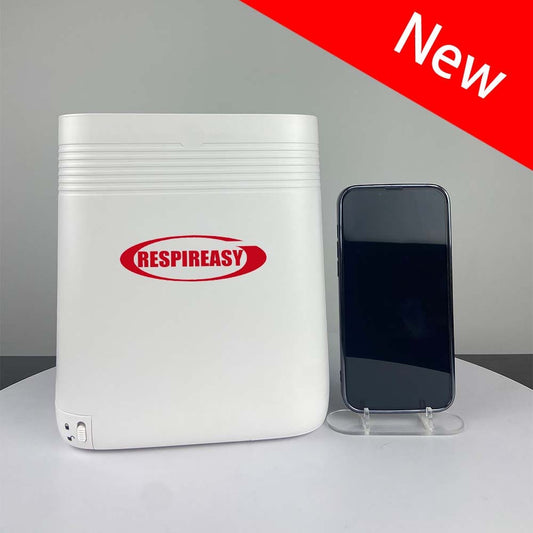
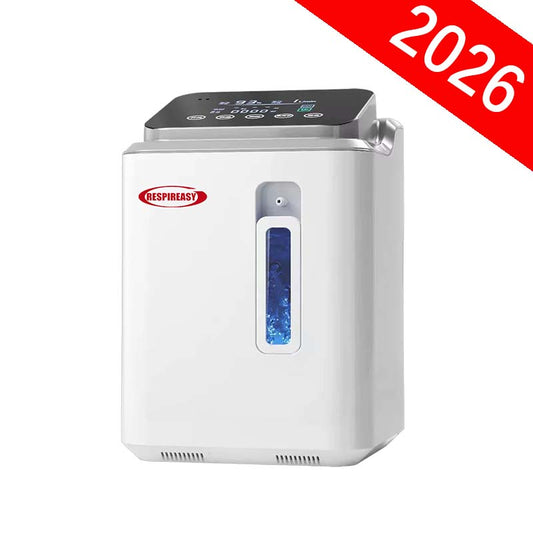
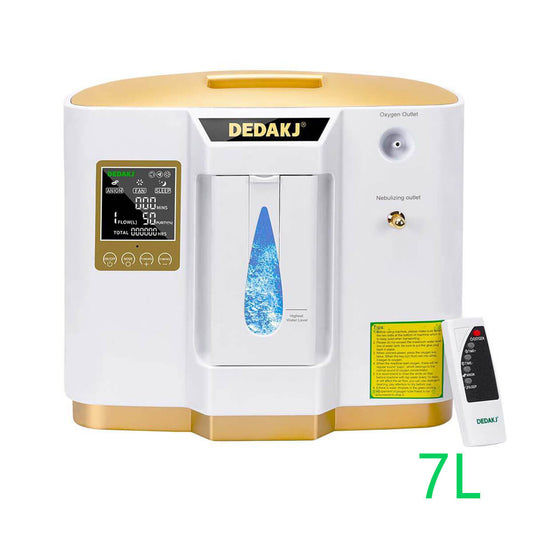
Stationary Oxygen Concentrators


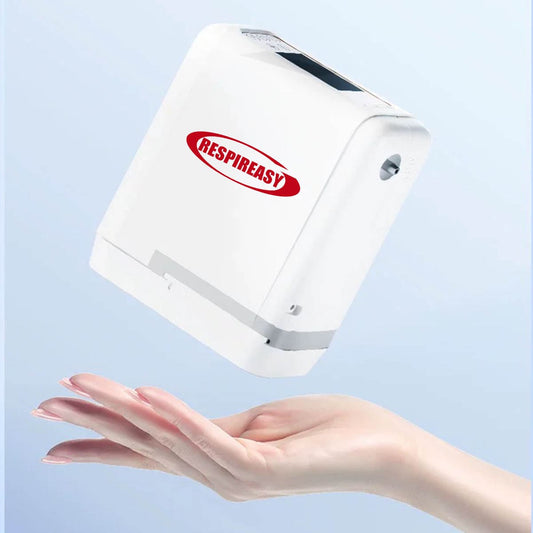
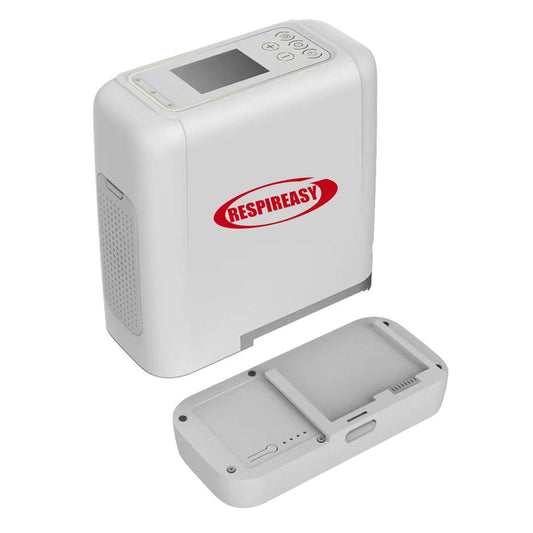
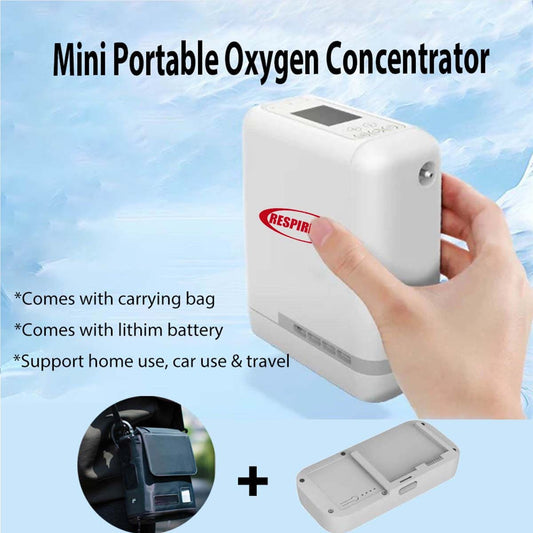
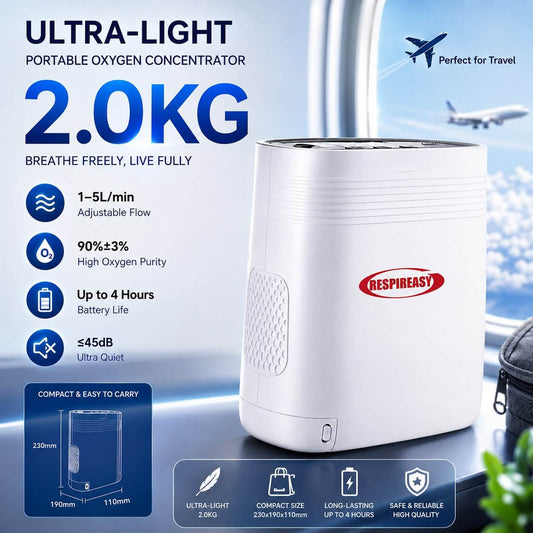
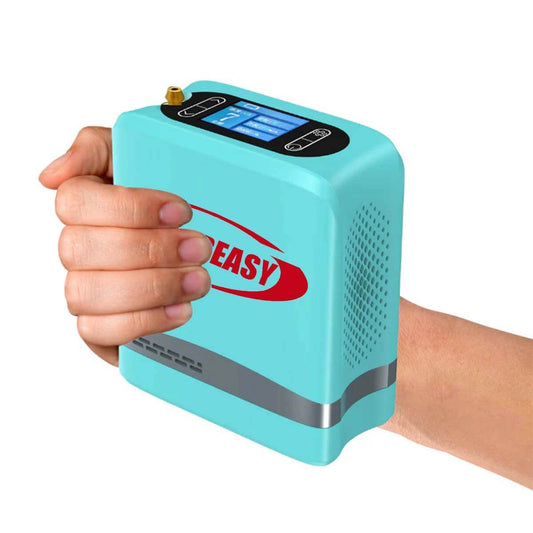
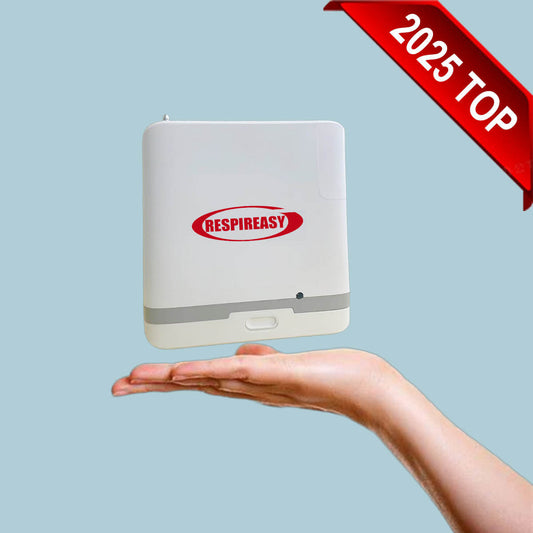
Small Portable Oxygen Concentrators


(1) Compressed Oxygen: This refers to standard oxygen cylinders (tanks). While they are inexpensive, long-term use necessitates frequent refilling, and the cylinders can be cumbersome to transport. Various sizes of medical-grade oxygen cylinders are available on the market; 10-liter cylinders are commonly used in home settings.
Note:
Pre-use Inspection
① Cylinder Body: Carefully inspect the cylinder valve, connection threads, pressure regulator, and other components for any defects—such as gas leaks, stripped threads, or a malfunctioning pressure gauge needle. If any issues are detected, the equipment should be repaired immediately; do not attempt to fix it yourself.
② Valve Inspection: Ensure that the cylinder valve is free of leaks and is in proper working order.
During Use
① Open the valve slowly: When opening the oxygen valve, use a specialized tool and open it gradually to prevent rapid airflow or excessive heating of organic components, which could generate static sparks. Additionally, keep your body and face clear of the outlet port and the pressure regulator's gauge to avoid injury in the event of a malfunction.
② Use a pressure reducer: To ensure the safe delivery of oxygen from the tank, an appropriate pressure reducer must be used to regulate the oxygen's outlet pressure.
③ Avoid depleting the oxygen supply: Do not completely deplete the oxygen within the tank; sufficient residual pressure must be maintained to prevent backflow—specifically, the backflow of acetylene—which could trigger an explosion. It is generally recommended to maintain a residual pressure of 0.1 MPa or higher.
(2) Liquid oxygen equipment is lightweight and portable, but it is expensive.
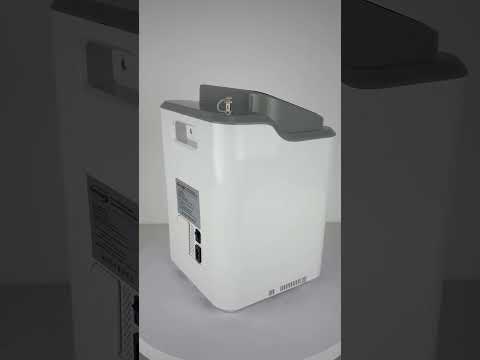
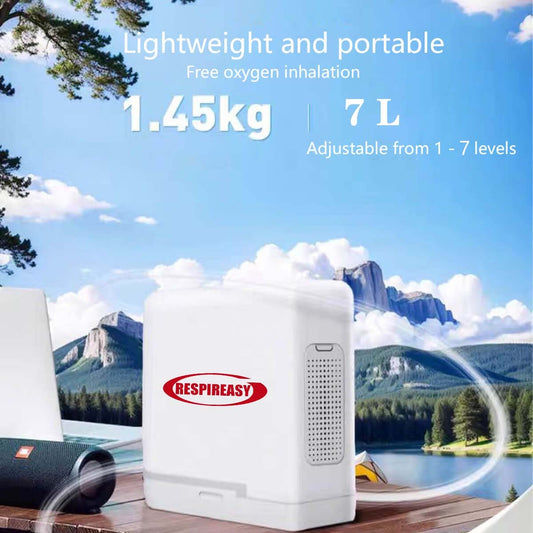
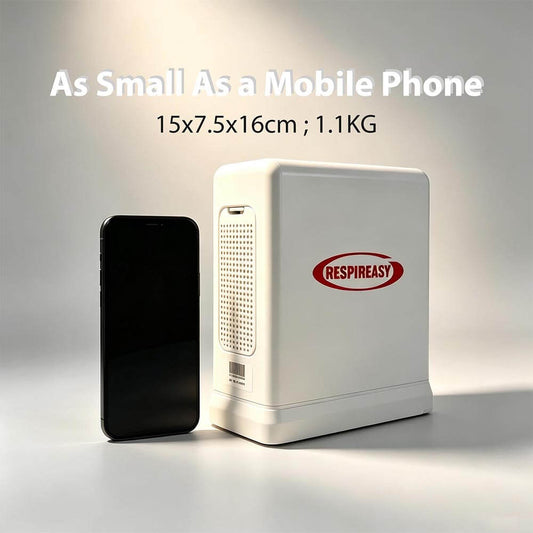
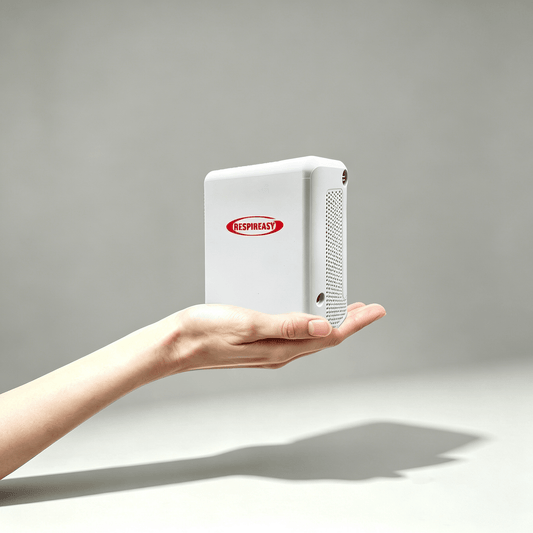
(3) Home oxygen concentrators offer the advantages of low energy consumption and low operating costs. A wide variety of models are available on the market, primarily categorized into electronic oxygen concentrators, medical molecular sieve concentrators, oxygen-enrichment membrane concentrators, and portable oxygen devices.
When selecting a suitable oxygen concentrator, pay close attention to key parameters such as oxygen concentration, oxygen flow rate, and noise levels. At the rated flow rate, the oxygen concentration produced by the device should be no less than 90%. Home oxygen concentrators typically offer flow rates of 3 or 5 liters per minute, while some models can reach up to 10 liters; the appropriate flow rate should be selected based on the results of a prior oxygen flow titration assessment.
Note:
When using an oxygen concentrator:
① Do not plug it into an electrical outlet that is already being used by other appliances.
② Do not place any objects—such as beverages, plants, or books—on top of the machine.
③ Do not position the machine directly against a wall, in a corner, or inside a cabinet; indoor air must be able to flow freely into the device.
④ Regularly inspect the alarm system and the air filters.
3. Oxygen Delivery Devices
(1) Nasal Cannula

Suitable for patients with low oxygen flow requirements. This method is generally well-tolerated by patients and offers comfort, though the stability of the oxygen delivery may vary. The appropriate oxygen flow rate is 1–6 liters per minute. Flow rates exceeding 6 liters per minute can cause dryness of the nasal mucosa, which patients often find intolerable; furthermore, increasing the flow rate beyond this point does not result in a higher inhaled oxygen concentration. In such cases, alternative methods of oxygen therapy should be employed.
Advantages: Simple and convenient. It does not interfere with the patient's ability to eat, speak, cough, or expectorate.
Disadvantages: The oxygen concentration is inconsistent and easily influenced by the patient's breathing patterns. In agitated or disoriented patients, the nasal cannula or prongs may easily become dislodged. Additionally, the device is prone to blockage by nasal secretions; therefore, nasal hygiene—cleaning the nasal passages—should be performed 1–2 times daily.
(2) Oxygen Mask

Indications: Suitable for patients who breathe through their mouths, those with nasal conditions that impede oxygen intake via the nose, or those with higher oxygen requirements. The appropriate oxygen flow rate is 6–10 liters per minute.
Advantages: Simple and cost-effective; capable of delivering higher oxygen concentrations than a nasal cannula.
Disadvantages: The mask must fit snugly against the face to prevent air leakage; prolonged use can cause discomfort. It interferes with coughing, eating, and other activities. The mask may easily slip off or become dislodged if the patient changes position during sleep or becomes agitated. Furthermore, there is an increased risk of aspiration (inhaling vomit) if the patient vomits while wearing the mask.
Can Non-Invasive Ventilators Also Be Used for Home Oxygen Therapy?
The use of a non-invasive ventilator does not require the establishment of an artificial airway; instead, it maintains airway patency, improves ventilation, and corrects hypoxemia (low blood oxygen levels) and hypercapnia (elevated blood carbon dioxide levels).
**Advantages:** When used in combination with oxygen therapy, it can significantly reduce the partial pressure of carbon dioxide in the blood of stable-phase COPD patients suffering from persistent hypercapnia. It helps alleviate dyspnea (shortness of breath) and effectively improves various respiratory parameters.
**Disadvantages:** Requires the patient to be conscious and cooperative. It hinders the drainage of airway secretions and may lead to abdominal distension or dry mouth. Additionally, the skin beneath the mask—the area covering the face—must be protected to prevent the development of pressure ulcers.
The appropriate respiratory mask should be selected based on the patient's preferences and clinical condition to ensure both patient comfort and an airtight seal. Regarding the oxygen supply device, either an oxygen cylinder or an oxygen concentrator may be selected, depending on the patient's specific circumstances. The oxygen flow rate is typically set to 1–3 liters per minute, the respiratory rate to 16 breaths per minute, and the positive airway pressure during the expiratory phase to 4 centimeters of water (cmH₂O). The pressure difference between the inspiratory and expiratory phases is generally set to 10 cmH₂O. Non-invasive ventilation is typically administered for no less than 5 hours per day. These parameters may be adjusted based on the patient's clinical condition, respiratory rate, airway resistance, and lung compliance to ensure that the patient's oxygen saturation remains above 90%.
During oxygen therapy, attention must be paid to the "Four Safety Precautions":
- Fire Prevention: Oxygen supports combustion; therefore, smoking and the use of open flames are strictly prohibited within the room.
- Heat Prevention: Oxygen cylinders and oxygen concentrators should be placed in a cool location, at a distance of no less than 1 meter from any heat sources (such as heating equipment). This prevents the cylinder from overheating, which could cause the internal pressure to rise and lead to an explosion.
- Oil Prevention: Since oil is a flammable substance, the application of any oily substances to any part of the equipment is strictly prohibited—particularly on the oxygen cylinder valve—to prevent fire or explosion.
- Shock Prevention: The high-pressure oxygen contained within a cylinder possesses immense energy. If appropriate precautions against impact and vibration are not taken during handling or use, the cylinder body may sustain damage or shock, potentially leading to an abnormal rise in internal pressure and a subsequent explosion.
- Ensure Ventilation: The area where oxygen cylinders are stored and used must be kept well-ventilated to prevent the accumulation of high gas concentrations and to ensure a safe working environment. Oxygen cylinders must never be stored alongside flammable or explosive materials.
What is the procedure for home oxygen therapy?
1. Preparation of Supplies
A medical-grade home oxygen concentrator or a compressed oxygen cylinder (equipped with a pressure gauge), oxygen tubing or an oxygen mask, dry cotton swabs, distilled water or cooled boiled water, a pulse oximeter, and a humidifier bottle.
2. Cleaning and Connection
Clean the nasal passages and connect the oxygen delivery tubing. (If a humidification unit is used, fill the humidifier bottle with distilled water or cooled boiled water to a level between 1/2 and 2/3 of its capacity. **Never** use tap water, tea, mineral water, etc.; the water in the humidifier bottle should be changed daily.)
3. Adjustment and Flow Check
1) Adjust the oxygen flow rate, typically to 1–2 L/min.
2) Perform a flow check to confirm that the oxygen is flowing smoothly.
4. Oxygen Administration and Securing
Insert the oxygen cannula into the nostrils (or place the oxygen mask over the face) and secure it in place; then, begin oxygen administration.
5. Observation and Monitoring
Closely observe the effectiveness of the oxygen therapy, monitor oxygen saturation levels, and adjust the oxygen flow rate as needed.
6. Discontinuation and Maintenance
1) When discontinuing oxygen therapy, first remove the oxygen cannula/mask, and then turn off the flow meter.
2) Clean the nasal cannula daily using a household detergent; rinse thoroughly with clean water and allow it to air dry. Clean the humidifier bottle daily with clean water. Once a week, disinfect both the nasal cannula and the humidifier bottle using a cold saline solution, rubbing alcohol, or a similar disinfectant.
7. Assessment and Re-evaluation
1) Assess the necessity of long-term home oxygen therapy based on the results of arterial blood gas analysis.
2) Seek prompt re-evaluation by a medical professional in the event of an acute exacerbation of the condition.
In summary, should you experience any discomfort while undergoing home oxygen therapy, please seek medical attention immediately.
Use oxygen safely—protect yourself and others!
Recommendation: Patients undergoing home oxygen therapy are encouraged to keep a daily log recording the duration of oxygen use, the flow rate, and any changes in their condition following therapy. This practice fosters self-observation skills. Such an "oxygen therapy diary" serves as a valuable reference for determining appropriate treatment plans during outpatient follow-ups or subsequent medical consultations.