




COPD-Sauerstofflangzeittherapie: Ein praktischer Leitfaden von einer Atmungspflegerin
Teilen
Seien wir ehrlich – einen COPD-Patienten mit einem Sauerstoffgerät nach Hause zu schicken, kann sich etwas überwältigend anfühlen. Nicht nur für den Patienten, sondern für die ganze Familie. Ich habe jahrelang auf der Atemstation gearbeitet und so ziemlich jeden Fehler im Zusammenhang mit Sauerstoff gesehen, den man sich vorstellen kann. Die Leute drehen den Durchfluss auf, weil sie denken, „mehr ist besser“, sie legen die Kanüle nur an, wenn sie nach Luft schnappen, sie verwenden denselben Schlauch eine ganze Woche lang und sie ignorieren die roten Spuren, die sich in Nase und Ohren graben, bis die Haut tatsächlich aufbricht.
Das sind keine Kleinigkeiten. Sie verwandeln eine lebensrettende Therapie in etwas, das Hautinfektionen, trockene Kehlen, hartnäckige Schleimpfropfen und manchmal sogar gefährliche Benommenheit und Verwirrung verursacht. Lassen Sie uns also durchgehen, wie man es richtig macht – ohne es zu überkomplizieren.
Hören Sie auf zu raten und fangen Sie an zu messen
Hier ist etwas, das ich jeder Familie vor der Entlassung sage: Warten Sie nicht, bis Ihr Angehöriger kurzatmig wird, bevor Sie den Sauerstoff einschalten. Bis dahin war der Blutsauerstoff bereits eine Weile niedrig. Die Lunge erholt sich von diesem wiederholten Stress nicht.
Die Regel, die wir auf der Station anwenden, ist einfach: Ziel sind mindestens 15 Stunden am Tag, und ja, das schließt die Schlafenszeit mit ein. Wenn Sie ihn nur hier und da eine Stunde lang verwenden, verschwenden Sie im Grunde Ihre Zeit. Die Vorteile summieren sich einfach nicht.
Flussrate ist der Punkt, an dem die Dinge knifflig werden. Ich kann Ihnen nicht sagen, wie viele Patienten ich gesehen habe, die dachten, 5 Liter wären besser als 2. Aber bei COPD kann zu viel Sauerstoff tatsächlich nach hinten losgehen – es macht das Gehirn faul, den nächsten Atemzug auszulösen, und Kohlendioxid beginnt sich anzusammeln. Dann werden die Leute schläfrig, verwirrt und landen wieder in der Notaufnahme. Halten Sie es also zwischen 1 und 2 Litern pro Minute, und gehen Sie niemals über 3, es sei denn, Ihr Arzt sagt es ausdrücklich.
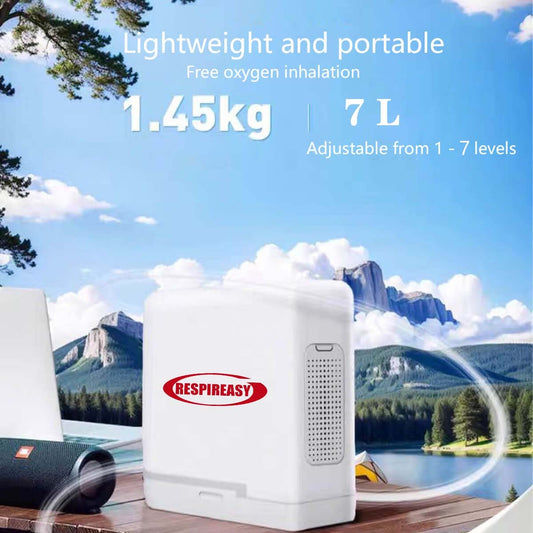
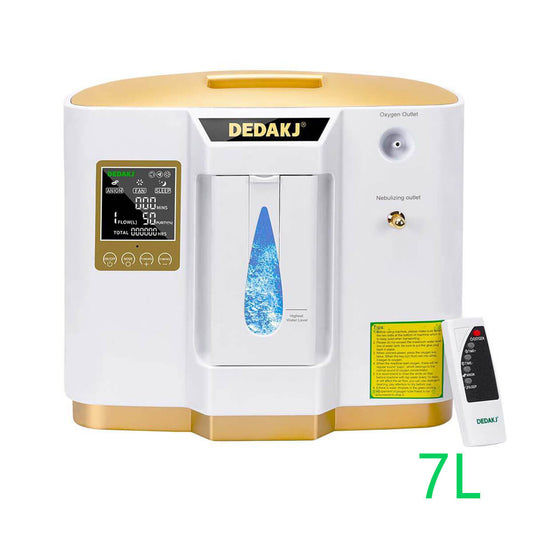
Wenn Sie ein Gerät wie den DEDAKJ RE-Q1L Sauerstoffkonzentrator verwenden, haben Sie etwas Spielraum, da er im Dauerdurchflussmodus von 1 bis zu 7 Litern pro Minute reicht. Aber nur weil er so hoch gehen kann, heißt das nicht, dass Sie es tun sollten – sehen Sie es als Spielraum, nicht als Ziel.

Nun, sprechen wir über diesen kleinen Pulsoximeter an Ihrem Finger. Für gesunde Menschen sind 95% bis 98% normal. Aber für jemanden mit chronischer Lungenerkrankung streben wir nicht nach „Normalität“. Wir streben 88% bis 92% etwa eine halbe Stunde nach Beginn der Sauerstoffzufuhr an. Das ist der Sweet Spot – hoch genug, um die Organe zu schützen, niedrig genug, um eine CO₂-Ansammlung zu vermeiden. Wenn Sie konsequent unter 88 liegen, benötigen Sie etwas mehr Fluss. Wenn Sie jeden Tag 94 oder 95 erreichen, stellen Sie ihn eine Stufe herunter.
Das Ohr- und Nasenproblem – und eine echte Lösung: eine Nasenkanüle im Headset-Stil


Wenn Sie seit mehr als einer Woche Sauerstoff zu Hause bekommen, brauche ich Ihnen nichts von den schmerzenden Stellen zu erzählen. Die Standard-Nasenkanüle gräbt sich in die Nasenlöcher und reibt mit der Zeit wie Schmirgelpapier an den Ohroberseiten. Ich habe ältere Patienten mit tatsächlichen Druckgeschwüren hinter den Ohren gesehen – völlig vermeidbar, aber niemand hatte sie gewarnt.
Der Trick besteht darin, den Schlauch locker zu verlegen – sanft über die Ohren und unter das Kinn, niemals straff gezogen. Nachts kann ein kleines gefaltetes Stück weicher Baumwolle hinter jedem Ohr einen großen Unterschied machen.
Aber ehrlich gesagt? Die beste Lösung, die ich gefunden habe, ist der Wechsel zu einer Headset-Nasenkanüle. Stellen Sie sich vor, Sie tragen einen leichten Kopfhörer – kein Druck auf den Nasenrücken, kein Graben in den Ohren. Die DEDAKJ Headset-Nasenkanüle macht genau das. Patienten, die zu diesem Typ gewechselt sind, sagten mir, dass sie nach ein paar Minuten kaum noch bemerken, dass sie sie tragen, und die Hautprobleme innerhalb weniger Tage verschwanden.
Bitte – wechseln Sie die Kanüle jeden einzelnen Tag. Es klingt verschwenderisch, aber diese Schläuche sammeln über Nacht Bakterien und Feuchtigkeit an. Tägliches Waschen der Druckpunkte mit warmem Wasser, Abtupfen und ein Tupfer milder Feuchtigkeitscreme hält die Haut intakt. Wenn die Nasenlöcher bereits wund und entzündet sind, wechseln Sie für ein oder zwei Tage zu einer Gesichtsmaske, damit sich der Bereich erholen kann.
Der trockene Hals? So beheben Sie es
Reiner Sauerstoff ist knochentrocken. Atmen Sie ihn ein paar Stunden lang ein und Ihr Hals fühlt sich an, als hätten Sie Pappe gekaut, und der Schleim wird zu zähem Klebstoff, der fast unmöglich abzuhusten ist. Deshalb hat jeder Heimkonzentrator diese kleine Wasserflasche dabei.
Ein paar strenge Regeln für diese Flasche:
-
Nur destilliertes Wasser. Kein Leitungswasser, kein Quellwasser, kein Mineralwasser. Diese enthalten gelöste Salze und Mineralien, die zu Luftpartikeln werden – und die wollen Sie wirklich nicht in bereits geschädigten Lungen haben.
-
Füllen Sie es zwischen den markierten Linien. Die Blasen sollten klein und sanft sein, nicht brüllend wie ein kochender Topf.
-
Entleeren und füllen Sie das Wasser täglich neu. Zerlegen Sie die Flasche und waschen Sie sie einmal pro Woche mit Seife. Lassen Sie sie vor dem Zusammenbau vollständig an der Luft trocknen.
Ich empfehle auch, den ganzen Tag über warmes Wasser zu trinken – das hilft, die Sekrete von innen heraus zu verdünnen. Und wenn Sie die Raumluftfeuchtigkeit zwischen 50% und 60% halten können, werden Sie den Unterschied sofort bemerken. Weniger Husten, leichteres Atmen, besserer Schlaf.
Sicherheit ist nicht beängstigend – aber ernst
Hier ist eine Tatsache, die viele Familien überrascht: Sauerstoff brennt nicht, aber er nährt Feuer wie nichts anderes. Ein Funke, der in normaler Luft kaum schwelen würde, kann in einer sauerstoffangereicherten Umgebung schnell zu einer Flamme werden.
Also:
-
Absolutes Rauchverbot in dem Raum, in dem der Konzentrator läuft. Nicht „nur am Fenster“, nicht „nur ein Zug“. Null.
-
Halten Sie das Gerät mindestens zwei Meter von Herden, Heizungen, Heizstrahlern oder Heizdecken entfernt.
-
Überprüfen Sie den Schlauch von Zeit zu Zeit – Knicke und Risse kommen vor, besonders wenn Möbel verschoben werden. Und stellen Sie sicher, dass der Lufteinlass des Geräts nicht durch Vorhänge oder Bettwäsche blockiert ist.

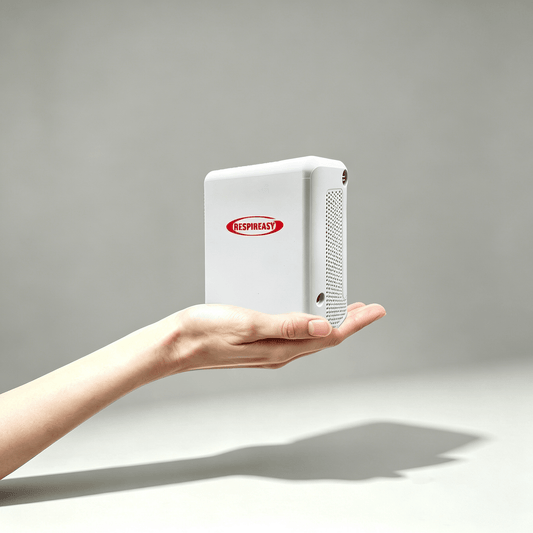
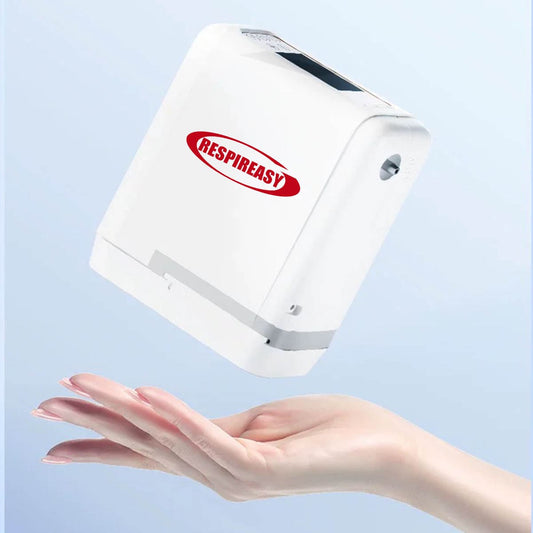
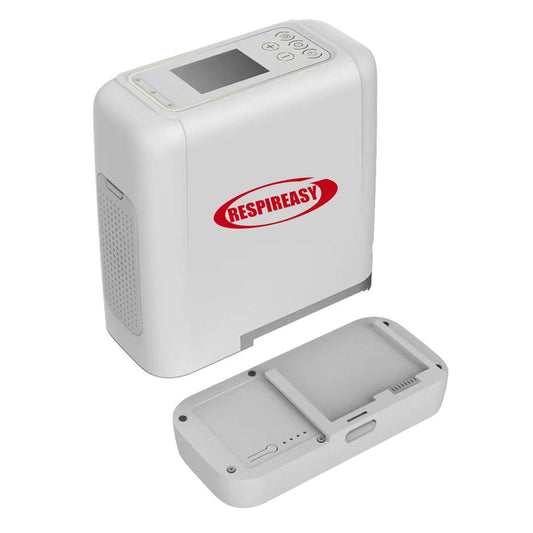
Die RE-Q1L Sauerstoffmaschine ist kompakt genug (etwas über 6 kg und etwa 28 cm hoch), um auf einem Nachttisch oder neben einem Sessel zu stehen, ohne im Weg zu sein, was es tatsächlich einfacher macht, den freien Raum darum herum zu halten.
Und noch etwas: Reinigen Sie den Ansaugfilter regelmäßig. Ich habe Geräte geöffnet, die einwandfrei funktionierten, aber Staubmäuse in Mäusegröße ansaugten – und dieser Staub landet in Ihren Lungen. Nicht gut.
Vergessen Sie nicht die Lungen selbst
Sauerstoff verschafft Ihnen Zeit und Energie, aber er übernimmt nicht die Arbeit des Atmens für Sie. Wenn Sie echte Fortschritte sehen wollen, müssen Sie täglich ein paar Minuten Sport treiben – und ich meine nicht Joggen.
Die klassische Lippenbremse ist Ihr bester Freund: Atmen Sie langsam durch die Nase ein, lassen Sie den Bauch sich ausdehnen, dann atmen Sie mit gespitzten Lippen aus, als würden Sie eine Kerze ausblasen, und nehmen Sie sich doppelt so lange Zeit zum Ausatmen wie zum Einatmen. Fünf bis zehn Minuten, zweimal am Tag. Es klingt zu einfach, um zu wirken, aber ich habe gesehen, wie Patienten ihre Kurzatmigkeit innerhalb weniger Wochen dramatisch reduzierten.
Wenn sich viel Schleim in der Brust festgesetzt hat, lassen Sie ein Familienmitglied die Hand schöpfen und sanft von unten nach oben auf den Rücken klopfen – das hilft, Dinge zu lockern, damit Sie sie abhusten können.
Und bitte halten Sie sich von Rauch, Küchengerüchen, Pollen und kalter Zugluft fern. Das sind die Hauptauslöser für Krankheitsschübe. Ich sage meinen Patienten: Wenn Sie es riechen können, reizt es wahrscheinlich Ihre Lungen.
Und schließlich, „setzen und vergessen“ Sie Ihre Sauerstoffeinstellungen nicht einfach. Lassen Sie Ihre Blutgase und Lungenfunktion alle drei Monate überprüfen. Was letztes Jahr für Sie funktionierte, ist heute vielleicht nicht mehr optimal – Körper verändern sich, und Ihre Sauerstoffbedürfnisse ändern sich mit ihnen.
Ein paar ehrliche Worte zum Abschluss
Sauerstofftherapie zu Hause ist nicht nur das Anschließen eines Geräts und das Drehen an einem Knopf. Es geht darum, die Details richtig zu machen – den Fluss, die Dauer, die Hautpflege, die Befeuchtung, die Bewegung und die Sicherheitsüberprüfungen. Wenn all das stimmt, ist es bemerkenswert, wie viel besser sich die Menschen fühlen. Sie gehen mehr aus dem Haus, sie schlafen besser, sie haben mehr Energie, um Zeit mit der Familie zu verbringen.
Wenn Sie sich jemals unsicher sind – sei es, wie man den Fluss einstellt, wie man den Befeuchter reinigt oder ob ein bestimmtes Zubehör wie die DEDAKJ Headset-Kanüle für Ihren Angehörigen geeignet ist – rufen Sie einfach Ihre Atemwegsklinik an. Dafür sind wir da. Verlassen Sie sich nicht nur auf Vermutungen oder Ratschläge aus dem Internet. Die Geräte werden besser und benutzerfreundlicher – nehmen Sie den RE-Q1L Sauerstoffkonzentrator mit seinem großen Touchscreen und der Fernbedienung, der eindeutig für ältere Benutzer entwickelt wurde –, aber selbst das beste Gerät ist nur so gut wie die Person, die es klug einsetzt.
Atmen Sie klug, bleiben Sie konsequent und zögern Sie nicht, um Hilfe zu bitten, wenn Sie sie brauchen. Sie schaffen das.