



How to Choose a Portable Oxygen Concentrator

Portable vs. Traditional Stationary Oxygen Concentrators

|
Category |
Portable Oxygen Concentrator |
Traditional Desktop Oxygen Concentrator |
|
Weight |
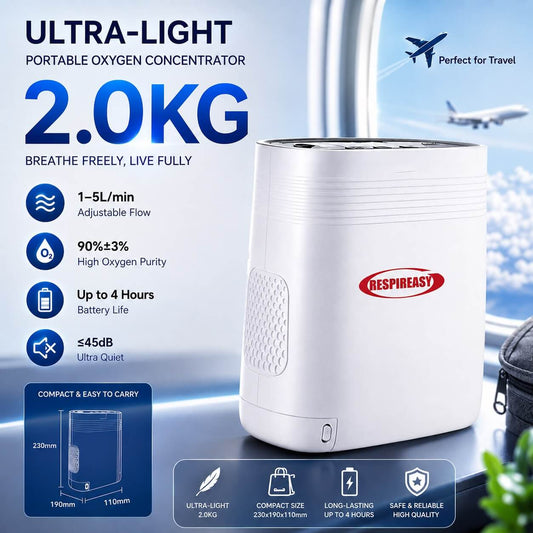
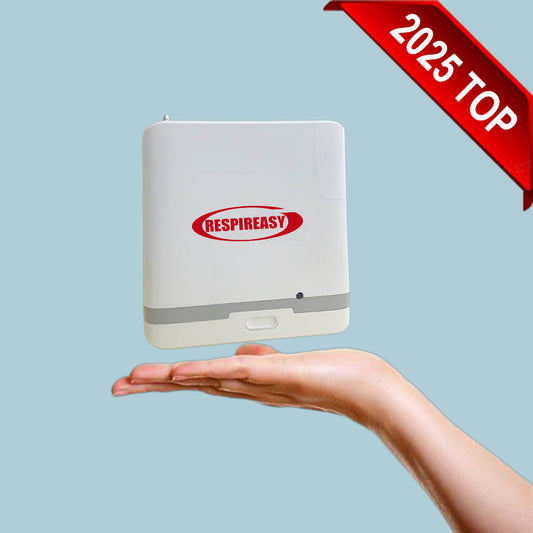
Generally around 2 kg |
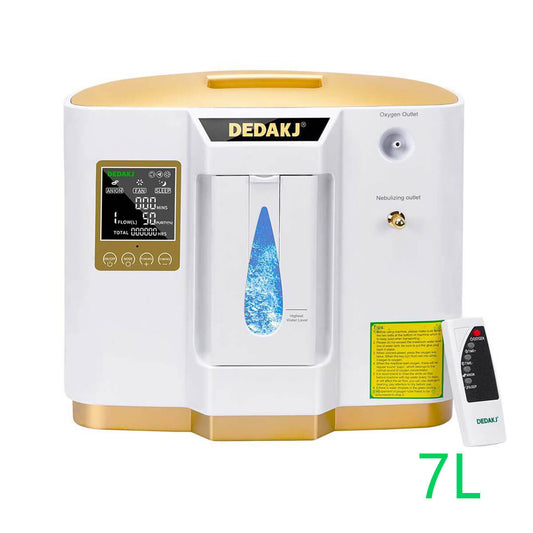
Generally about 6–30 kg |
|
Oxygen Flow Rate |
Oxygen flow rate tends to be relatively low; typically 5 flow settings |
For a 5 L concentrator, the oxygen flow rate ranges from 1 to 5 L/min, reaching a maximum of 5 L/min |
|
Oxygen Concentration |
Medical-grade models can reach 93% ± 3% |
Oxygen concentration remains stable at 90% or above |
|
Battery Life / Runtime |
- Plug-in mode: can run continuously - Battery mode: single-battery runtime is usually about 1.5–4.5 hours, varying depending on the flow setting |
As long as power is maintained, it can run continuously 24 hours a day, 365 days a year |
|
Noise |
Typically around 50–60 dB |
Typically around 35–55 dB |
|
Heat Dissipation |
The micro compressor generates relatively high heat during operation, so overall heat dissipation performance is comparatively weaker |
With ample internal ventilation space, it rarely experiences overheating or poor heat dissipation |
Characteristics: Portable vs. Traditional Oxygen Concentrators

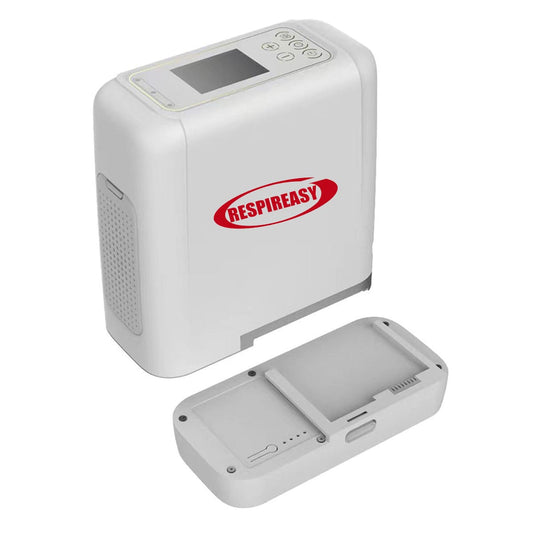
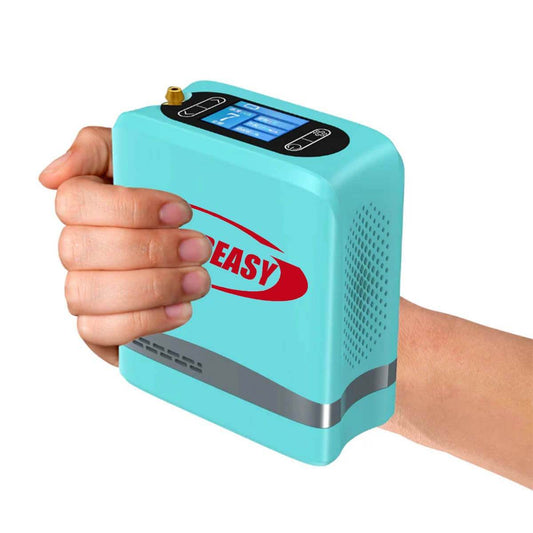
A portable oxygen concentrator is a device that uses air separation technology to remove nitrogen from the air, thereby producing concentrated oxygen. Typically, it can achieve an oxygen concentration of over 90%. It helps individuals suffering from hypoxia (oxygen deficiency) improve their condition and quality of life, serving as an ideal oxygen source for use both indoors and while on the go.

Who Should Use a Portable Oxygen Concentrator?
Potential users include those experiencing altitude sickness; individuals with respiratory conditions such as COPD or emphysema; patients with cardiovascular or cerebrovascular diseases; people with "the three highs" (high blood pressure, high blood sugar, and high blood lipids); pregnant women; individuals recovering from surgery; those who live or work in oxygen-deficient environments; and people in a "sub-health" state.
How to Choose a Portable Oxygen Concentrator?
Generally, oxygen concentrators are categorized into "wellness/home-care" types and "medical-grade" types. The primary distinction lies in whether the device can maintain an oxygen concentration of over 90% regardless of the flow rate.
Wellness-oriented oxygen concentrators—while also utilizing molecular sieve technology to produce oxygen and offering multiple flow settings—are strictly classified as home-use devices. Their oxygen concentration is typically lower and less stable; it fluctuates based on the flow rate—the higher the flow, the lower the concentration—making them unsuitable for providing oxygen therapy that meets clinical treatment standards.
Medical-grade portable oxygen concentrators are those that have been reviewed and approved by regulatory health authorities and possess official medical device certification. These devices offer robust oxygen-production capabilities, maintaining a constant concentration of over 90% regardless of flow rate adjustments, thereby providing high-quality oxygen therapy for patients outside of a hospital setting.
Evaluate the Specifications
① Check the Oxygen Concentration: This metric is a key criterion for distinguishing between wellness-oriented and medical-grade oxygen concentrators. With "wellness-grade" (non-medical) oxygen concentrators, oxygen concentration tends to drop as the flow rate increases, often failing to remain above 90%. At the highest flow setting, the concentration may fall as low as 30%—far below the standards required for medical-grade oxygen. Such devices are generally intended for basic home oxygen therapy.
In contrast, medical-grade oxygen concentrators maintain a stable oxygen concentration of over 90%, regardless of increases in flow rate or duration of use. These devices are effective for medical treatment—most notably for the management of chronic obstructive pulmonary disease (COPD) outside of a hospital setting. Home oxygen therapy for COPD is a well-established, physician-recommended treatment approach.
Portable medical-grade oxygen concentrators provide a reliable oxygen source for COPD patients who require oxygen therapy while on the go. They allow patients to move beyond the confines of their homes, enabling daily outdoor activities and meeting their oxygen needs both indoors and while traveling or spending time outside.
② Consider continuous oxygen supply capacity: COPD patients undergoing home oxygen therapy must ensure they receive oxygen for at least 10 hours daily, delivered in a continuous manner. Only devices capable of providing a consistent, high-concentration (medical-grade) supply of oxygen—24 hours a day, 7 days a week—are effective for the treatment of COPD.
Traditional stationary oxygen concentrators can operate indefinitely as long as they remain connected to a power source. For portable units, however, runtime depends on battery capacity and the selected flow setting. Typically, a battery may last about 4 hours on the lowest setting and approximately 1.5 hours on the highest setting; as these specifications vary by brand, it is important to verify the details before purchase. For extended periods away from home, it is advisable to carry a spare battery to ensure your outdoor activity needs are fully met.
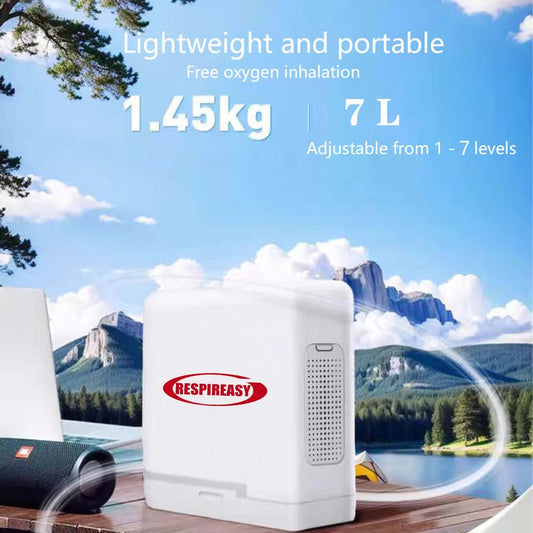
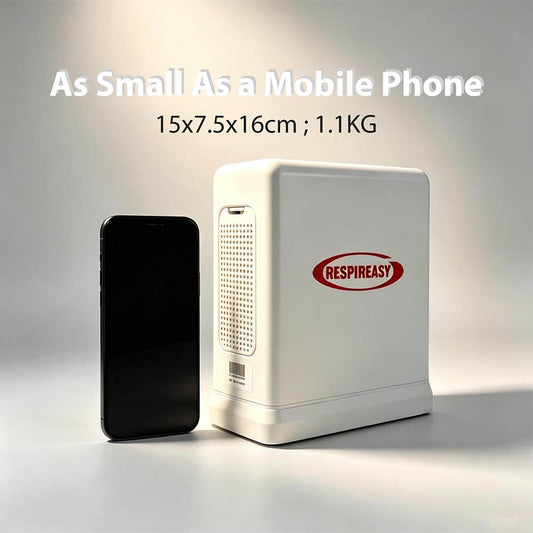
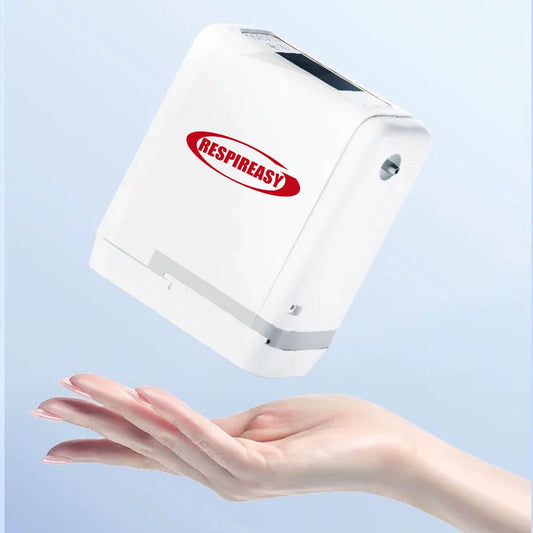
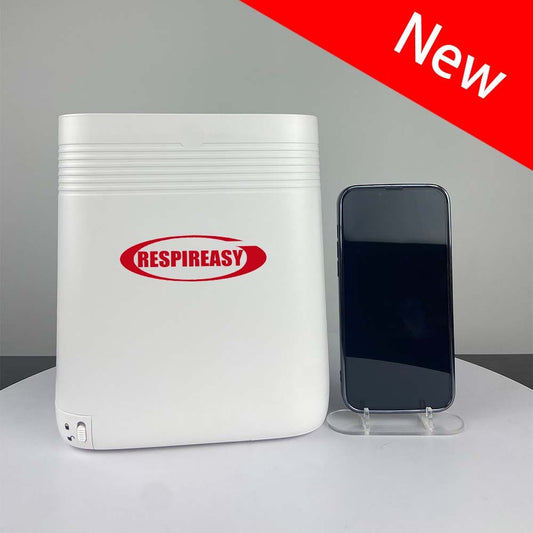
③ Consider weight: Since portable oxygen concentrators are primarily designed for use outside the home, choose a model that is lightweight and easy to carry—one that won't place an undue physical burden on you, even when worn or carried for long periods.
④ Consider operating noise: Regarding noise levels, the standard YY 0732-2009, "Safety Requirements for Medical Oxygen Concentrators," stipulates that the maximum noise level of an oxygen concentrator under normal operating conditions should not exceed 60 dB (decibels). Traditional stationary oxygen concentrators typically produce less than 45 decibels of noise, while portable units—due to constraints such as their compact size—generally operate at a noise level of 50–60 decibels.
Consider after-sales service
For patients who require long-term oxygen therapy, an oxygen concentrator will see frequent use, making professional after-sales support essential. Portable oxygen concentrators require regular maintenance and care—such as the periodic replacement of filter elements and molecular sieves—to ensure optimal performance, consistent and efficient oxygen delivery, and a longer service life for the device.