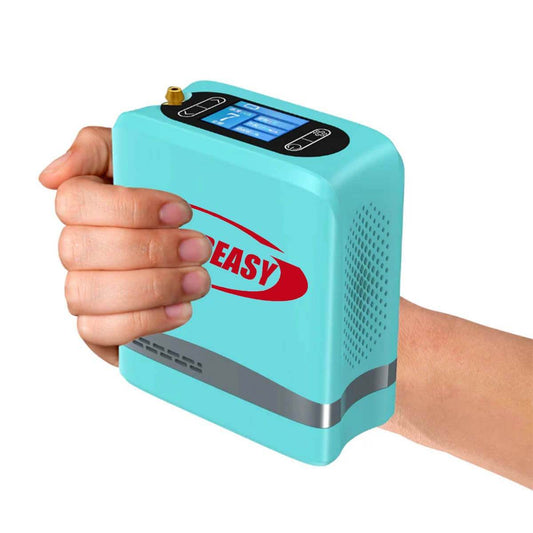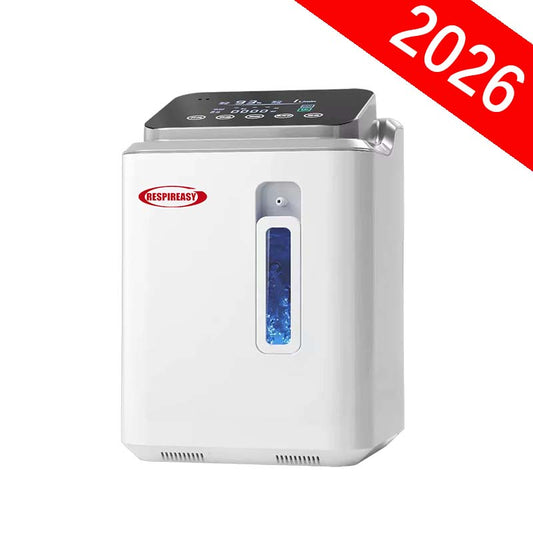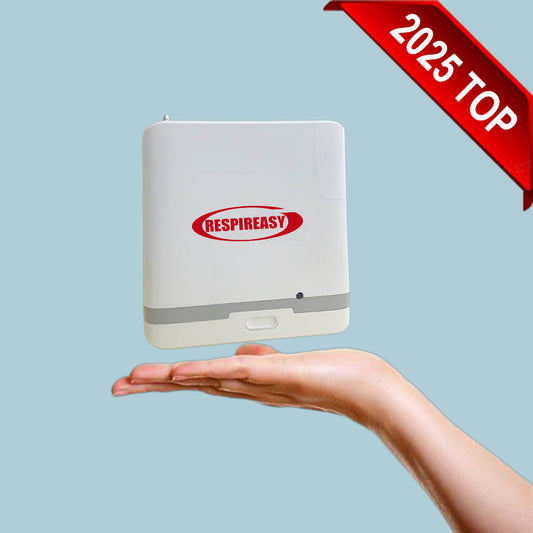





Pet Oxygen Concentrators for Dogs & Cats for Home Oxygen Therapy
For cats and dogs living with heart disease, a pet oxygen concentrator has become an essential piece of home medical equipment. First-time pet parents of cardiac patients often have a long list of questions — about choosing an oxygen concentrator for dogs and cats, how to use it, and how to manage home oxygen therapy safely. Here are the answers.

Why Oxygen Therapy?
Why should pet owners keep an oxygen concentrator at home?
1. Emergency response. During a sudden flare-up — such as acute pulmonary edema (fluid buildup in the lungs) with rapid breathing — moving a cat or rushing to the veterinary hospital can add risk. With an oxygen concentrator and injectable furosemide (the diuretic most commonly used for congestive heart failure), you can help stabilize your pet's breathing at home first. Once breathing is stable — or as soon as conditions allow — seek veterinary care promptly.
2. Daily supportive care. Oxygen therapy is generally considered an emergency intervention, but routine use can also help relieve pressure on the heart and improve oxygen supply in cats and dogs with heart disease. For stable pets in good condition, long sessions are not needed every day — 30 minutes per day at an oxygen concentration of 20%–30% is usually enough. ⚠️ Note: if your cat strongly resists the oxygen chamber, it is perfectly fine to skip routine sessions — stress can do more harm than good.


How to Choose an Oxygen Concentrator
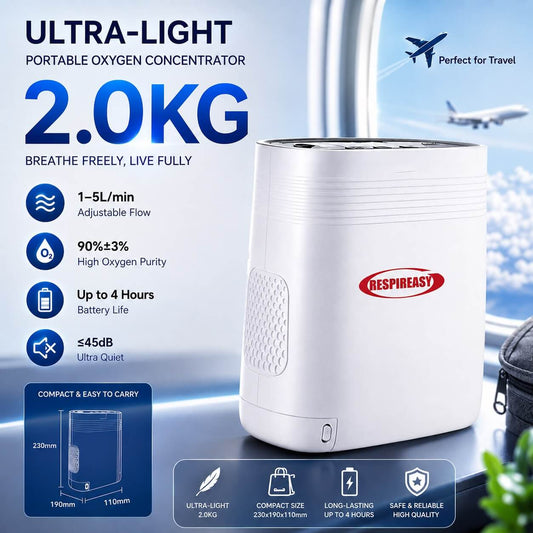
Oxygen concentrators for pets are classified by flow rate. Common options include 1L/min and 2L/min home health-care models, as well as medical-grade oxygen concentrators at 3L/min, 5L/min, 8L/min and 10L/min. A medical-grade unit with a flow rate of 3L/min or higher should deliver a stable oxygen purity of 93% ± 3%, which means that with direct nasal inhalation the oxygen concentration reaching the body stays between 29% and 37%.
Because cats generally cannot tolerate nasal cannulas, they usually receive oxygen inside an oxygen chamber (also called an oxygen cage or oxygen tent), where the oxygen concentration is diluted by the larger air volume. That is why a higher-flow oxygen concentrator is recommended — it ensures the concentration inside the chamber stays adequate. Data shared by pet parents with basic testing equipment: roughly 10–15 minutes after the concentrator is switched on, oxygen concentration inside the chamber reaches about 40%.
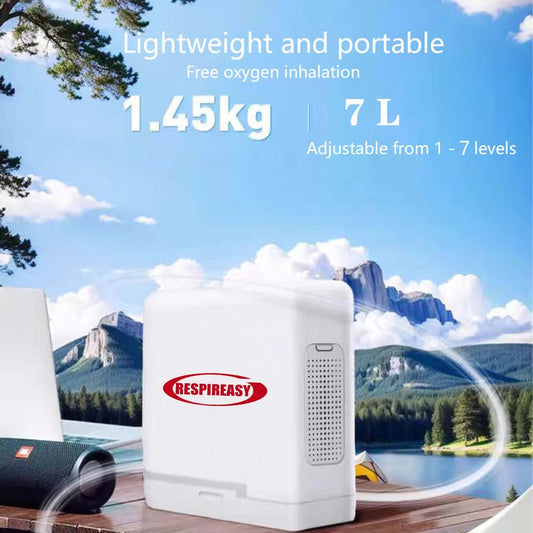
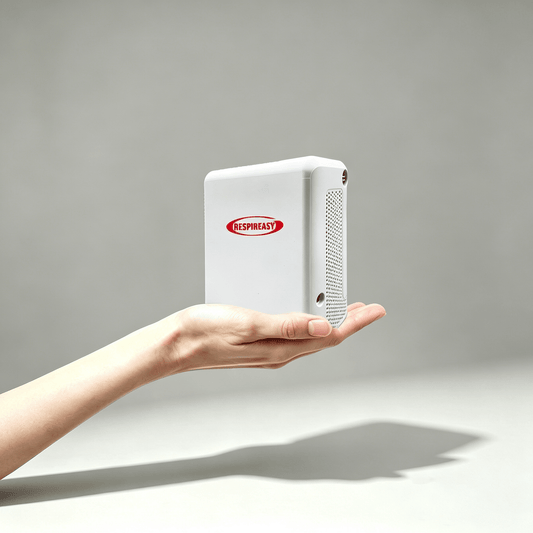
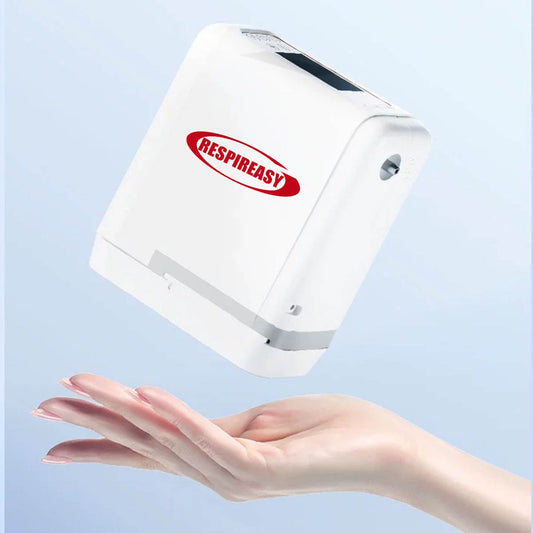
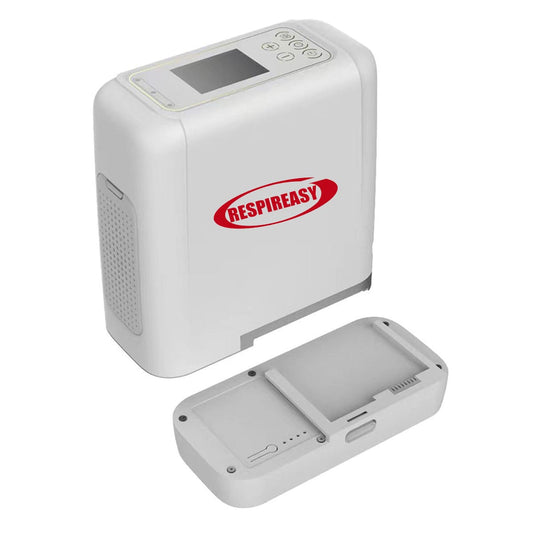
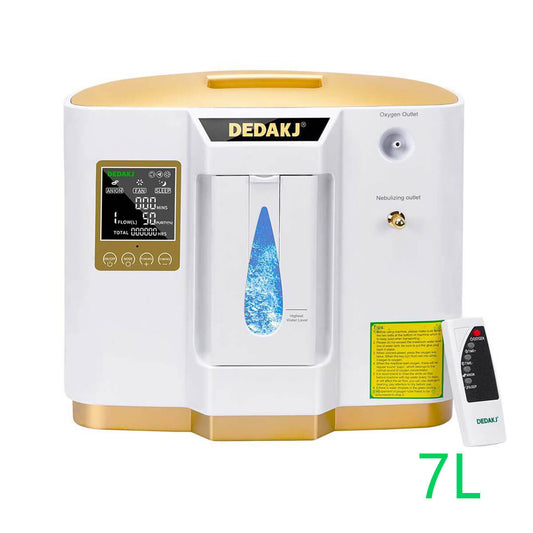
DEDAKJ Oxygen Concentrator 7L/min Adjustable Personal Care Portable Oxygen Generator O2 Making Machine for Home Use

How to Use an Oxygen Concentrator
Operation differs from brand to brand and model to model; most manufacturers provide detailed instructions. Besides the core oxygen-delivery function, useful features and specifications to look for include: a built-in timer, 24-hour continuous operation capability, a medical-grade molecular sieve, and filter replacement intervals. If your cat or dog has bronchial issues, consider whether the unit offers a nebulizer function for nebulization therapy.
Home Oxygen Therapy: Safety Precautions
1. Flow rate guidance. For daily health-care support, set the flow at 1–3L/min; for symptom relief during flare-ups, use 3–5L/min.
2. Ventilate the oxygen chamber. Oxygen chambers are enclosed spaces, so vent them regularly to release exhaled carbon dioxide (CO₂). You can also add ventilation holes on the side opposite the oxygen inlet, in line with the airflow direction. ⚠️ Note: prolonged oxygen therapy can lead to respiratory acidosis or respiratory alkalosis. Signs include difficulty breathing, lethargy and excessive sleepiness. If your pet's respiratory status does not improve, take them to the nearest veterinary clinic for a blood gas analysis.
3. Temperature and humidity inside the chamber. Most cats are comfortable at 20°C–25°C (68°F–77°F), with humidity around 40%–60%.
4. Create a calming environment. 15–20 minutes before the session, spray a pheromone-based calming product inside the chamber, or drape a blanket around it to create a dim, quiet space — just keep the blanket away from the ventilation openings. Since oxygen concentrators produce noise, consider using a longer oxygen delivery tube so the chamber and the concentrator can be placed in different rooms.
5. Other safety reminders. Place the concentrator on a flat, dry, well-ventilated surface, away from heat sources and flammable materials. Use the correct humidifier water — distilled or purified water is best — and change and clean it regularly. Keep open flames away during oxygen therapy. Clean or replace filters, nasal cannulas and other accessories on schedule. Avoid overly long continuous sessions; if extended use is needed, follow the manufacturer's instructions and monitor the machine's operation, addressing any abnormality promptly.
How to Monitor Oxygen and CO₂ Concentrations in the Chamber
Professional monitoring requires dedicated instruments. Pet parents can search for "portable oxygen analyzer" or "CO₂ monitor" and choose according to their needs. Simply place the device inside the oxygen chamber during use. Avoid models with audible or visual alarms — they can startle cats.
What Else Do You Need Besides an Oxygen Concentrator?
1. Oxygen box / chamber. Choose the largest size so your pet can stretch out and breathe comfortably. The most common maximum size found online is approximately 60cm × 42cm × 34.5cm (length × width × height); some vendors offer custom sizes.
2. Oxygen mask. Rarely used for cats, so no specific recommendation can be given.
3. Temperature-control items. In warmer environments, prepare ice packs or a small desktop fan to help keep the chamber cool.
Other Reminders
Every cat with heart disease is unique. Whether to provide home oxygen therapy — and whether or when to seek veterinary care — should be decided after full discussion with your veterinarian, based on your cat's specific health status and needs.
In addition, regular checkups and ongoing disease management by your veterinarian are essential to treating heart disease in cats and dogs.