What does an oxygen concentrator do?
What is Oxygen?
Oxygen is a gas that your body needs to function properly. Your cells require oxygen to produce energy. Your lungs absorb oxygen from the air you breathe. Oxygen travels from your lungs into your bloodstream, and then reaches your organs and body tissues.

What is Oxygen Therapy?
Oxygen therapy is a treatment method that provides you with extra oxygen to breathe. It is also known as supplemental oxygen. This includes treatments for low blood oxygen levels (hypoxemia), carbon monoxide poisoning, cluster headaches, and maintaining adequate oxygen levels while administering inhaled anesthetics. Long-term oxygen therapy is often beneficial for patients suffering from chronic hypoxemia—such as those with severe COPD—or cystic fibrosis. Oxygen can be administered in various ways, including via nasal cannulas, face masks, and within hyperbaric chambers.
What is Hyperbaric Oxygen Therapy?
Hyperbaric Oxygen Therapy (HBOT) is a distinct type of oxygen therapy. It involves breathing oxygen inside a pressurized chamber or tube. This allows your lungs to collect up to three times more oxygen than they would when breathing oxygen at normal atmospheric pressure. This extra oxygen travels through your bloodstream to your organs and body tissues. HBOT is used to treat certain severe wounds, burns, injuries, and infections. It also treats air or gas embolisms (bubbles in the bloodstream), decompression sickness experienced by divers, and carbon monoxide poisoning.
Recommended Oxygen Concentrators

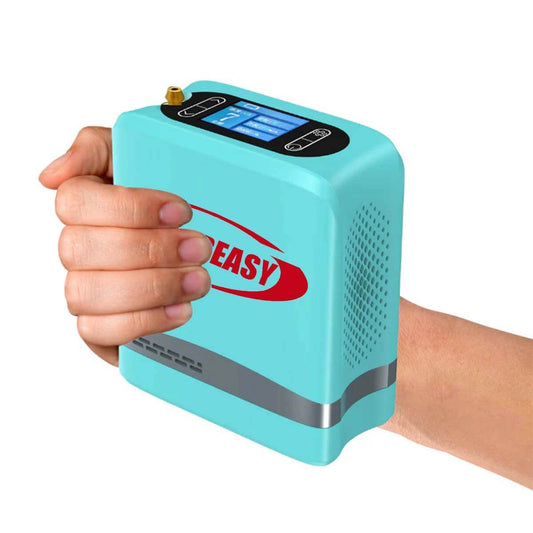
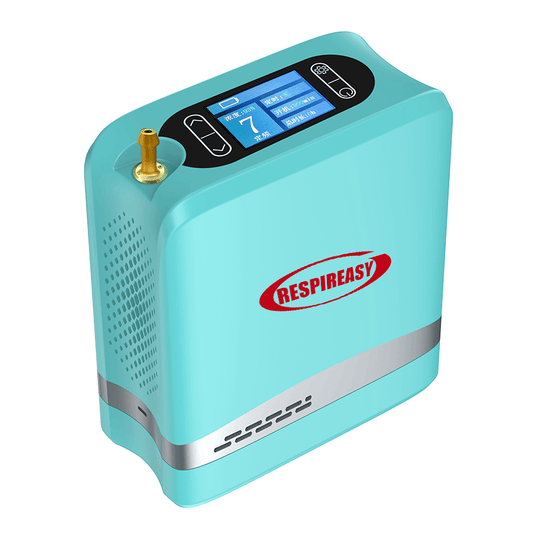
👉Portable Oxygen Concentrators – Ideal for travel, driving and outdoor mobility.
https://dedakjoxygenconcentrators.com/collections/mini-portable-oxygen-concentrator-with-rechargeable-battery

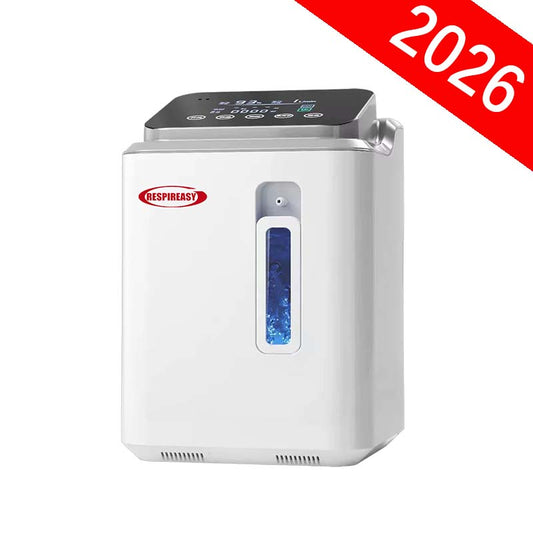
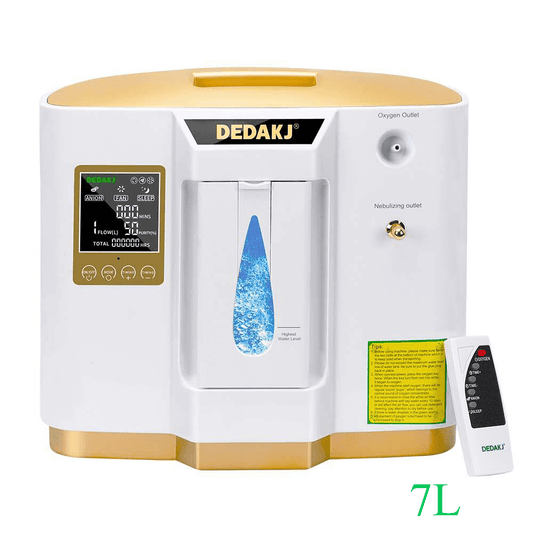
👉Home Oxygen Concentrators – Continuous, quiet, and stable oxygen for daily therapy.
https://dedakjoxygenconcentrators.com/collections/home-use-oxygen-concentrator

👉High-Flow / Medical Oxygen Generators – Powerful options for clinics and high-demand needs (10–60 L/min).
https://dedakjoxygenconcentrators.com/collections/medical-5l-10l-oxygen-concentrator
Who Needs Oxygen Therapy?
You may require oxygen therapy if you suffer from a medical condition that causes low blood oxygen levels, such as:
COPD (Chronic Obstructive Pulmonary Disease) | Pneumonia | COVID-19 | Severe Asthma Exacerbations | Sleep Apnea | Chronic Bronchitis | Congestive Heart Failure | Cystic Fibrosis | Emphysema | Lung Cancer | Pulmonary Fibrosis
Oxygen therapy is available only through a prescription from your healthcare provider. You may receive treatment in a hospital, another medical facility, or at home. Some people require it for only a short period, while others need long-term oxygen therapy.
Certain medical conditions can cause your blood oxygen levels to drop too low. Low blood oxygen levels may cause you to feel short of breath, fatigued, or confused. It can also cause damage to your body. Oxygen therapy can help you obtain the additional oxygen you need.

A person wearing a simple face mask
Normal cellular metabolism requires oxygen. Excessively high concentrations can lead to oxygen toxicity, such as lung damage, or trigger respiratory failure in susceptible individuals. Higher oxygen concentrations also increase the risk of fire—particularly in the presence of smoking—and, if not humidified, can cause nasal dryness. The recommended target blood oxygen saturation depends on the specific condition being treated. In most cases, a saturation level of 94–96% is recommended; however, for patients at risk of carbon dioxide retention, a target of 88–92% is preferred, while for patients with carbon monoxide toxicity or cardiac arrest, the saturation level should be kept as high as possible. Ambient air typically contains 21% oxygen (by volume), whereas oxygen therapy can increase this proportion to varying degrees, reaching up to 100%.
The medical use of oxygen became widespread around 1917. It is included in the World Health Organization's List of Essential Medicines. In Brazil, the cost of home oxygen therapy is approximately $150 per month, while in the United States, it costs about $400 per month. Home oxygen can be supplied via oxygen tanks or oxygen concentrators. Oxygen is considered one of the most commonly used medical treatments in hospitals throughout the developed world.

Nasal Cannula
Medical Uses
Oxygen is utilized as a therapeutic agent in both chronic and acute medical settings; it may be administered within hospitals, in pre-hospital environments, or in outpatient settings.
Chronic Conditions
Supplemental oxygen is frequently prescribed for patients suffering from chronic obstructive pulmonary disease (COPD)—a condition encompassing chronic bronchitis and emphysema, which are common long-term consequences of smoking. These patients may require additional oxygen support to facilitate breathing during periods of acute exacerbation or throughout the day and night. For COPD patients with an arterial partial pressure of oxygen (PaO₂) of ≤ 55 mmHg (7.3 kPa) or an arterial oxygen saturation (SaO₂) of ≤ 88%, oxygen therapy has been proven to extend life expectancy.
In cases of end-stage heart failure, respiratory failure, advanced cancer, or neurodegenerative diseases, patients experiencing dyspnea (shortness of breath) often require supplemental oxygen, even if their blood oxygen levels remain relatively normal. A 2010 trial involving 239 subjects found no significant difference in the reduction of dyspnea between the administration of oxygen and the administration of ambient air.
Acute Conditions
Oxygen is widely employed in emergency medicine, whether within hospital settings, by emergency medical services (EMS) providers, or by agencies delivering advanced first aid. In the pre-hospital setting, high-flow oxygen is indicated for resuscitation, severe trauma, anaphylaxis, major hemorrhage, shock, active seizures, and hypothermia.
It may also be indicated for any other individual suffering from hypoxemia (low oxygen levels) due to injury or illness; however, in such cases, oxygen flow should be titrated based on pulse oximetry readings to achieve a target oxygen saturation level (typically 94–96% for most patients, or 88–92% for patients with COPD). Nevertheless, the excessive administration of oxygen to acutely ill patients has been shown to increase the risk of mortality. In 2018, the *British Medical Journal* recommended that oxygen administration be discontinued if saturation exceeds 96%, and that oxygen therapy should not be initiated if saturation is already above 90–93%. Exceptions to this guideline include cases of carbon monoxide poisoning, cluster headaches, sickle cell crisis, and pneumothorax.
For personal use, high-concentration oxygen is utilized as a home-based therapy to abort cluster headache attacks, owing to its vasoconstrictive properties.
For patients receiving oxygen therapy for hypoxemia following an acute illness or hospitalization, prescriptions for continued oxygen therapy should not be routinely renewed without a physician's re-evaluation of the patient's clinical condition. If the patient has recovered from their illness, the associated hypoxemia is expected to resolve; continuing oxygen therapy unnecessarily wastes resources and provides no additional therapeutic benefit.

Oxygen tubing and regulators equipped with flowmeters, used for oxygen therapy, are installed in ambulances.
Side Effects
Many EMS protocols state that oxygen should never be withheld from any patient, while other protocols are more specific or cautious. However, in certain circumstances, oxygen therapy is known to have a negative impact on a patient's clinical condition.
Patients with paraquat poisoning should not be administered oxygen—unless they are experiencing severe respiratory distress or respiratory arrest—as oxygen administration increases the toxicity of the poison. Paraquat poisoning is rare; between 1958 and 1978, approximately 200 deaths were reported worldwide. Oxygen therapy is also not recommended for patients who have developed pulmonary fibrosis or other forms of lung injury as a result of bleomycin treatment.
Administering high concentrations of oxygen to infants can lead to blindness by promoting the excessive growth of new blood vessels in the eyes. This condition is known as Retinopathy of Prematurity (ROP).
Oxygen exerts a vasoconstrictive effect on the circulatory system, thereby reducing peripheral circulation; it was once hypothesized that this effect might exacerbate the sequelae of a stroke. However, when supplemental oxygen is administered, Henry's Law dictates that this additional oxygen dissolves into the blood plasma. This facilitates compensatory changes, as the dissolved oxygen in the plasma supports compromised (hypoxic) neurons, thereby reducing inflammation and post-stroke cerebral edema. Since 1990, hyperbaric oxygen therapy has been utilized worldwide for the treatment of stroke. In rare instances, patients undergoing hyperbaric oxygen therapy may experience seizures. Nevertheless, due to the aforementioned effects of Henry's Law—specifically the increased availability of dissolved oxygen to neurons—such episodes typically do not result in negative sequelae. These seizures are generally a consequence of oxygen toxicity; although hypoglycemia can act as a precipitating factor, this latter risk can be eliminated or mitigated through careful monitoring of the patient's nutritional intake prior to oxygen therapy.

A pin-index oxygen regulator, designed for portable Type D gas cylinders, typically carried within ambulance emergency kits.
For many years, emergency oxygen administration has served as a standard emergency treatment for diving-related injuries. Recompression within a hyperbaric chamber—during which the patient breathes 100% oxygen—constitutes the standard medical response in both hospital and military settings for the treatment of decompression sickness. If emergency oxygen is administered within four hours of surfacing, the success rate of subsequent recompression therapy improves, and the total number of recompression sessions required is reduced. Some experts have suggested that oxygen administration may not be the most effective measure for treating decompression sickness, and that a helium-oxygen mixture (heliox) might be a superior alternative.
Pin-index valve for medical oxygen cylinders.
Chronic Obstructive Pulmonary Disease (COPD)
Patients suffering from Chronic Obstructive Pulmonary Disease (COPD)—such as those with emphysema—require cautious management, particularly those known to retain carbon dioxide (Type II respiratory failure). If supplemental oxygen is administered, these individuals may experience a further accumulation of carbon dioxide and a subsequent drop in blood pH (hypercapnia), a condition that can be life-threatening. This phenomenon is primarily the result of a ventilation-perfusion mismatch (see "Effects of Oxygen on COPD"). In the worst-case scenarios, administering high concentrations of oxygen to patients with severe emphysema and elevated blood carbon dioxide levels can depress respiratory drive to a degree sufficient to precipitate respiratory failure; indeed, increased mortality rates have been observed in such patients compared to those receiving titrated oxygen therapy. However, the risks associated with withholding emergency oxygen far outweigh the risks of suppressing respiratory drive; consequently, the emergency administration of oxygen has never been considered contraindicated. The transition from field care to definitive care—where oxygen administration can be carefully titrated—typically occurs long before any significant suppression of respiratory drive takes place.
A 2010 study indicated that titrated oxygen therapy (controlled oxygen administration) poses fewer risks for patients with COPD; furthermore, in certain instances, other patients without COPD may also derive greater benefit from such titrated treatment.
Fire Hazards
Sources of high-concentration oxygen accelerate rapid combustion. While oxygen itself is not flammable, introducing concentrated oxygen into a fire significantly intensifies its ferocity and can facilitate the combustion of materials—such as metals—that would otherwise remain relatively inert under normal atmospheric conditions. A risk of fire or explosion exists whenever concentrated oxidizers and combustible fuels are brought into close proximity; however, an ignition event—such as heat or a spark—is required to trigger combustion. A well-known example of an accidental fire accelerated by pure oxygen occurred in January 1967 aboard the Apollo 1 spacecraft during a ground test; the incident resulted in the deaths of three astronauts. In 1961, Soviet cosmonaut Valentin Bondarenko also perished in a similar accident.
Combustion hazards also extend to oxygen-containing compounds with high oxidizing potential—such as peroxides, chlorates, nitrates, perchlorates, and dichromates—as these substances can serve as oxygen sources to fuel a fire.
Concentrated O₂ causes combustion to proceed both rapidly and vigorously. The steel piping and storage vessels used to store and transport gaseous and liquid oxygen can themselves act as fuel sources; consequently, the design and fabrication of O₂ systems require specialized training to ensure that potential ignition sources are minimized. In high-pressure environments, high concentrations of oxygen can spontaneously ignite hydrocarbons—such as oils and greases—leading to fires or explosions. The heat generated by rapid pressurization serves as the ignition source. Therefore, storage vessels, regulators, piping, and any other equipment utilizing high-concentration oxygen must undergo "oxygen cleaning" prior to use to ensure the absence of any potential fuel contaminants. This precaution applies not only to pure oxygen; any oxygen concentration significantly exceeding that of normal atmospheric air (approximately 21%) poses a potential risk. Hospitals in certain jurisdictions—such as the United Kingdom—have now implemented "smoke-free" policies; although introduced for other reasons, these policies support the objective of keeping ignition sources away from piped medical oxygen systems. Documented ignition sources for prescribed medical oxygen include candles, aromatherapy products, medical equipment, cooking activities, and—unfortunately—acts of deliberate vandalism. The smoking of pipes, cigars, and cigarettes is a matter of particular concern. However, these policies cannot completely eliminate the risk of damage associated with portable oxygen delivery systems, particularly in instances where patient compliance is poor.
Oxygen Safety
Oxygen is, in itself, a safe gas; however, it causes other materials to burn more intensely, more brightly, and more readily. When using oxygen, it is imperative that you adhere to the following safety guidelines:
Never smoke, and do not allow anyone else to light a flame in your vicinity. Stay away from open flames, such as those produced by matches, lighters, or burning tobacco products. Maintain a distance of at least 5 feet from any heat source; this includes gas stoves, candles, lit fireplaces, and electric or gas heaters. Do not use flammable products, such as cleaning fluids, paint thinners, or aerosol sprays. Keep oxygen containers in an upright position; secure them to a stationary object to prevent them from tipping over. Avoid using products containing oils, grease, or petroleum derivatives. This prohibition also extends to petroleum-based creams and oint—such as Vaseline—if applied to the face or upper chest area. Keep a fire extinguisher readily accessible nearby. Inform your local fire department that oxygen is present in your home. If you use an oxygen concentrator, notify your electric utility provider so that you may receive priority service in the event of a power outage.
Storage and Sources
Oxygen can be isolated through various methods—including chemical reactions and fractional distillation—and is then either utilized immediately or stored for future use. The primary types of sources for oxygen therapy are as follows:
1. **Liquid Storage:** Liquid oxygen is stored in refrigerated tanks until required, at which point it is allowed to "boil" (at a temperature of 90.188 K, or -182.96°C), thereby releasing the oxygen in gaseous form. Due to the high volume requirements associated with its use, this method is widely employed in hospital settings, though it may also be utilized in other environments.
2. **Compressed Gas Storage:** Oxygen is compressed and stored within gas cylinders. These cylinders offer convenient storage and, unlike liquid oxygen systems, do not require refrigeration. Large oxygen cylinders can hold 6,500 liters (230 cubic feet) and, at a flow rate of 2 liters per minute, can last for approximately two days. Smaller, portable M6(B) cylinders hold 164 or 170 liters (5.8 or 6.0 cubic feet) and weigh approximately 1.3 to 1.6 kilograms (2.9 to 3.5 lbs). When used with a conserving regulator—which senses a person's breathing rate and delivers oxygen in pulses—these tanks can last for 4 to 6 hours. Individuals who breathe through their mouths may not be able to use a conserving regulator.
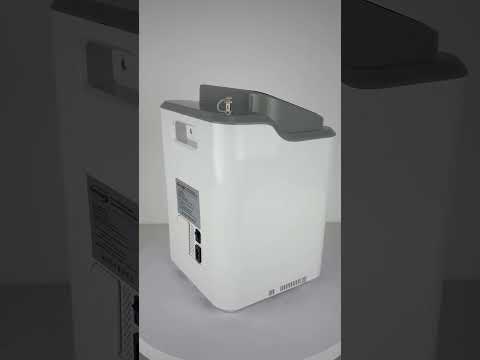
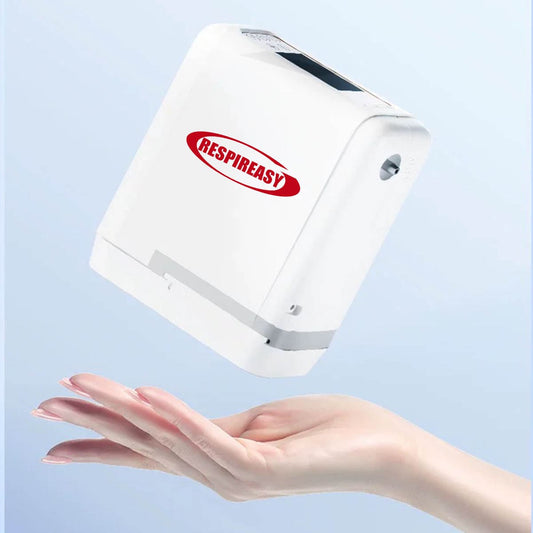
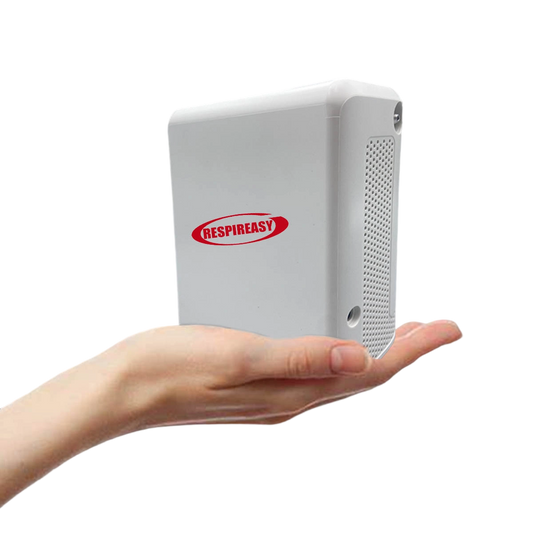
3. Immediate Use—The use of electric oxygen concentrators or chemical-reaction devices provides patients with an ample supply of oxygen for immediate use. These devices (particularly the electric versions) are widely utilized in home oxygen therapy and portable personal oxygen therapy; their primary advantage is the ability to provide a continuous supply without the need for the frequent delivery of bulky oxygen cylinders.

Home Oxygen Cylinder. When in use, a tube is connected to the cylinder's regulator and then attached to a mask fitted over the user's nose and mouth.
Delivery
Various devices are employed to deliver oxygen. In most cases, the oxygen first passes through a pressure regulator, which serves to reduce the high pressure of the oxygen flowing from the cylinder (or other source) to a lower, manageable pressure. This lower-pressure flow is then controlled by a flowmeter—which can be preset or manually selected—to regulate the flow rate in liters per minute (lpm). Typical flowmeters for medical oxygen range from 0 to 15 lpm, though some devices are capable of delivering up to 25 lpm. Many wall-mounted flowmeters utilizing a Thorpe tube design can be set to a "flush" position, a feature that proves useful in emergency situations.
Home Oxygen Concentrator for a Patient with Emphysema
Low-Dose Oxygen
Many individuals require only a slight increase in the oxygen content of the air they breathe, rather than pure oxygen or near-pure oxygen. This can be achieved through the use of various devices, depending on the specific situation, the required flow rate, and—in some instances—the individual's personal preference.
A nasal cannula (NC) is a thin tube featuring two small prongs that protrude into the user's nostrils. It can comfortably deliver oxygen only at low flow rates—typically 2 to 6 liters per minute (LPM)—providing an oxygen concentration of 24% to 40%.
There are also various mask options available, such as the simple face mask, which is commonly used at flow rates between 5 and 8 LPM to deliver oxygen concentrations ranging from 28% to 50%. This is closely related to the more controlled air-entrainment mask—also known as the Venturi mask—which can accurately deliver a predetermined oxygen concentration of up to 40% to the airway.
In certain situations, a partial rebreather mask may be used; this device is based on the simple face mask design but features a reservoir bag, which increases the delivered oxygen concentration to between 40% and 70% at flow rates of 5 to 15 LPM.
Non-rebreather masks draw oxygen from an attached reservoir bag and feature one-way valves that direct exhaled air out of the mask. When properly fitted and used at flow rates of 8 to 10 LPM or higher, they deliver oxygen concentrations approaching 100%. This type of mask is suitable for acute medical emergencies.
Demand Oxygen Delivery Systems (DODS)—or oxygen resuscitators—deliver oxygen only when the patient inhales, or, in the case of a non-breathing patient, when the caregiver presses a button on the mask. Compared to continuous-flow masks, these systems result in significant oxygen conservation—a feature that is particularly useful in emergency situations where oxygen supplies are limited and there is a delay in transporting the patient to a higher level of care. It is particularly useful during CPR, as caregivers can deliver rescue breaths consisting of 100% oxygen simply by pressing a button. Care must be taken to avoid overinflating the patient's lungs; some systems incorporate safety valves to help prevent this occurrence. These systems may not be suitable for individuals who are comatose or experiencing respiratory distress, as breathing through them requires significant effort.
High-Flow Oxygen Delivery
In situations where a patient requires a high concentration of oxygen (up to 100%), various devices are available. The most common of these is the non-rebreather mask (or reservoir mask), which is similar to a partial rebreather mask but features a series of one-way valves that prevent exhaled air from returning to the reservoir bag. The minimum flow rate for this device should be 10 L/min. This system delivers an FiO2 (fraction of inspired oxygen) ranging from 60% to 80%, depending on the oxygen flow rate and the patient's breathing pattern. Another type of device is the humidified high-flow nasal cannula; this system is capable of delivering flow rates via nasal prongs that exceed the patient's peak inspiratory flow demand. Consequently, it can provide an FiO2 of up to 100%, as it prevents the entrainment of ambient air—even when the patient is breathing with their mouth open. This also allows the patient to continue speaking, eating, and drinking while still receiving treatment. Compared to oxygen delivery via face mask, this method is associated with greater overall patient comfort, as well as improvements in oxygenation and respiratory rate.
In specialized applications—such as aviation—tight-fitting masks may be utilized; these masks are also employed in anesthesia, the treatment of carbon monoxide poisoning, and hyperbaric oxygen therapy.
Positive Pressure Delivery
Individuals unable to breathe spontaneously require positive pressure to drive oxygen into their lungs for gas exchange. The systems used for this purpose vary widely in complexity (and cost), ranging from basic pocket mask aids—which can be utilized by first responders with minimal training to manually deliver rescue breaths—to more sophisticated devices. These basic aids facilitate the delivery of supplemental oxygen through a dedicated port located on the mask. Many emergency medical services, first responders, and hospitals utilize the Bag-Valve-Mask (BVM)—a compressible bag connected to a face mask (or an invasive airway device, such as an endotracheal tube or laryngeal mask airway)—which typically features a reservoir bag and is manually operated by healthcare professionals to deliver oxygen (or air) into the lungs. This constitutes the sole procedure employed in UK workplaces for the initial treatment of cyanide poisoning.
Nebulizing versions of BVM systems (variously referred to as resuscitators or oxygen bags) can also deliver oxygen directly to a patient via a face mask or airway device. These systems are analogous to the anesthetic machines used during general anesthesia, which allow for the delivery of variable volumes of oxygen alongside other gases—including air, nitrous oxide, and inhaled anesthetics.
As a Route for Drug Delivery
Oxygen and other compressed gases are utilized in conjunction with nebulizers to facilitate the delivery of medications to the upper and/or lower respiratory tracts. Nebulizers employ compressed gas to aerosolize liquid medications, generating droplets of specific therapeutic sizes designed to deposit within the appropriate and targeted regions of the airway. Medications, saline solutions, sterile water, or mixtures thereof are typically nebulized into a therapeutic aerosol for inhalation using a compressed gas flow rate of 8–10 L/min. In clinical settings, air (an ambient mixture of various gases), molecular oxygen, and Heliox are the most commonly used gases for nebulizing large volumes or continuous flows of therapeutic aerosols.
Oxygen Masks with Exhalation Filters
Filtered oxygen masks are designed to prevent the release of potentially infectious particles contained in exhaled breath into the surrounding environment. These masks typically feature a tight-fitting design to minimize leakage and utilize a series of one-way valves to regulate the intake of ambient air. Filtration of exhaled air is achieved either by placing a filter over the exhalation port or through an integrated filter built directly into the mask itself. These masks first gained widespread use within the healthcare community in Toronto, Canada, during the 2003 SARS crisis. As SARS was identified as a respiratory-borne disease, it became apparent that traditional oxygen therapy devices were not designed to contain exhaled particles; consequently, the common practice of having suspected patients wear standard surgical masks was complicated by the simultaneous use of standard oxygen therapy equipment. In 2003, the HiOx80 oxygen mask was released for sale. The HiOx80 features a closed-system design that allows a filter to be placed over the exhalation port. Several new designs have since emerged within the global healthcare community aimed at containing and filtering potentially infectious particles. Other such designs include the ISO-O2, Flo2Max, and O-Mask oxygen masks. In many jurisdictions, the use of oxygen masks capable of filtering exhaled particles is gradually becoming a recommended practice for pandemic preparedness.

While typical oxygen masks allow the wearer to breathe ambient room air, filtered oxygen masks—due to their closed-system design—minimize or eliminate contact with and inhalation of room air. Consequently, a higher concentration of delivered oxygen is achieved. Furthermore, because all exhaled particles are contained within the mask, the release of nebulized medications into the surrounding atmosphere is prevented, thereby reducing occupational exposure risks for medical personnel and others nearby.
Aircraft Travel
In the United States, most airlines restrict the types of medical equipment permitted on board aircraft; consequently, the devices passengers are allowed to use are subject to limitations. Some airlines offer passengers access to oxygen cylinders, typically for an associated fee. Other airlines permit passengers to bring their own approved portable oxygen concentrators (POCs). However, the list of approved devices varies by airline; therefore, passengers must verify specific requirements with any airline they plan to fly with. Generally, passengers are not permitted to bring their own oxygen cylinders on board. In all instances, passengers are required to notify the airline in advance regarding their medical equipment.
Effective May 13, 2009, the Department of Transportation (DOT) and the Federal Aviation Administration (FAA) issued a ruling approving the use of specific models of portable oxygen concentrators on all commercial flights. FAA regulations further mandate that larger aircraft carry "D-size" oxygen cylinders on board for use in emergency situations.