



¿Cómo elegir un concentrador de oxígeno doméstico?
Guía de compra definitiva de 2026 y las mejores marcas de concentradores de oxígeno
Un concentrador de oxígeno, al igual que un oxímetro de pulso, se ha convertido en un dispositivo de atención médica cada vez más importante para muchas familias. Para los hogares que cuidan a adultos mayores con afecciones respiratorias como la EPOC (enfermedad pulmonar obstructiva crónica) o fibrosis pulmonar, contar con un concentrador de oxígeno confiable de grado médico puede ser esencial para la oxigenoterapia a largo plazo.
Sin embargo, con tantas opciones en el mercado—desde concentradores de oxígeno de 3 y 5 litros hasta productos comercializados para “bienestar” frente a uso médico—elegir el concentrador de oxígeno doméstico adecuado puede ser confuso.
En esta completa guía de compra de concentradores de oxígeno de 2026, explicamos los factores más importantes a considerar antes de comprar y analizamos más de cerca dos marcas populares: RESPIREASY y DEDAKJ.

1. Qué saber antes de comprar un concentrador de oxígeno
Muchas personas comienzan su investigación haciendo preguntas como "¿Cuál es la diferencia entre un concentrador de oxígeno de 3L y 5L?" o "¿Es seguro usar concentradores de oxígeno baratos?"
Para evitar errores comunes, concéntrese en estos tres factores clave.
1. Un concentrador de oxígeno doméstico es un dispositivo médico, no un producto de bienestar.
La primera regla es simple: si un concentrador de oxígeno está destinado a apoyar el tratamiento de una afección respiratoria, debe elegir un dispositivo médico debidamente regulado en lugar de un producto comercializado simplemente para el bienestar general.
Algunas máquinas de oxígeno de bajo flujo de 1L o 2L se comercializan para el bienestar general o el uso ocasional de oxígeno. Sin embargo, es posible que no proporcionen el caudal de oxígeno o la concentración de oxígeno requeridos para los pacientes a quienes se les ha recetado oxigenoterapia suplementaria.
Para pacientes con EPOC, enfermedad pulmonar u otras afecciones que requieren oxigenoterapia, siga siempre las recomendaciones de su proveedor de atención médica y elija un dispositivo que cumpla con los requisitos de dispositivos médicos aplicables en su país.
2. Las tres especificaciones clave: concentración de oxígeno, caudal y ruido.
Estas se encuentran entre las especificaciones más importantes al comparar concentradores de oxígeno.
Concentración de oxígeno: el indicador de rendimiento más importante
Para los concentradores de oxígeno medicinal, la concentración de oxígeno es una especificación crítica.
Muchos concentradores de grado médico están diseñados para suministrar concentraciones de oxígeno de alrededor del 93 % ± 3 %, según el modelo y las condiciones de funcionamiento. Al comprar un concentrador de oxígeno, verifique las especificaciones del fabricante y asegúrese de que el dispositivo pueda mantener su concentración de oxígeno nominal al caudal que necesita.
Una alarma de baja concentración de oxígeno también es una característica de seguridad importante porque puede alertar al usuario cuando la salida de oxígeno cae por debajo del nivel especificado.
Caudal: elija según su receta de oxígeno.
1–2 L/min:
Generalmente destinado a aplicaciones de menor caudal. Si esto es apropiado depende de las necesidades médicas del usuario y del caudal de oxígeno prescrito.
3 L/min:
Un rango de caudal de nivel de entrada común para concentradores de oxígeno domésticos. Puede ser adecuado para pacientes cuyo flujo de oxígeno prescrito se encuentra dentro de este rango.
5 L/min o más: una opción popular para la oxigenoterapia domiciliaria
Un concentrador de oxígeno de 5 litros es una de las opciones más comunes para la oxigenoterapia domiciliaria porque proporciona una mayor capacidad de flujo que muchas unidades de nivel de entrada.
Algunos modelos de 5L están diseñados para funcionamiento continuo 24/7 y pueden mantener su concentración de oxígeno nominal en todo su rango de flujo especificado. Ciertos modelos también pueden ser compatibles con accesorios de oxigenoterapia o dispositivos respiratorios.
Si está tratando de decidir entre un concentrador de oxígeno de 3L o 5L, si una unidad de 5L cumple con sus requisitos prescritos y su presupuesto lo permite, la capacidad de flujo adicional puede proporcionar una mayor flexibilidad para el uso doméstico a largo plazo.
Nivel de ruido: especialmente importante para el uso nocturno
El ruido puede afectar significativamente la comodidad, especialmente cuando se usa un concentrador de oxígeno en un dormitorio.
Si bien los requisitos regulatorios y de la industria varían según el mercado y el dispositivo, muchos usuarios prefieren un concentrador de oxígeno silencioso por debajo de 45 dB para uso nocturno. Algunos modelos más nuevos están diseñados para funcionar a aproximadamente 38-40 dB, lo que ayuda a reducir las interrupciones durante el sueño.
Al comparar modelos, no se fije solo en la salida de oxígeno; también importan el nivel de ruido, la capacidad de funcionamiento continuo, el consumo de energía y la fiabilidad general.
3. ¿Vive a gran altitud? Busque un concentrador de oxígeno diseñado para uso en grandes altitudes.
Si vive a gran altitud, la elección del concentrador de oxígeno adecuado requiere una consideración adicional.
La menor presión atmosférica puede afectar el rendimiento de algunos concentradores de oxígeno. Antes de comprar, verifique si el fabricante especifica un rango de operación de gran altitud para el modelo.
Si vive en una zona de gran altitud, elija un concentrador que haya sido probado y especificado para su elevación local y siga siempre la prescripción de oxígeno de su proveedor de atención médica.
2. Descripción general de la marca de concentradores de oxígeno: RESPIREASY y DEDAKJ
A continuación se presenta una descripción general de dos marcas de concentradores de oxígeno y sus líneas de productos.
1. DEDAKJ
Sitio web oficial: dedakjoxygenconcentrators.com
Descripción general de la marca
DEDAKJ es un fabricante establecido de dispositivos médicos que ofrece concentradores de oxígeno domésticos y concentradores de oxígeno portátiles. La marca se enfoca en diseños prácticos, precios competitivos y una amplia gama de productos para diferentes necesidades de oxigenoterapia.
Modelos populares de DEDAKJ

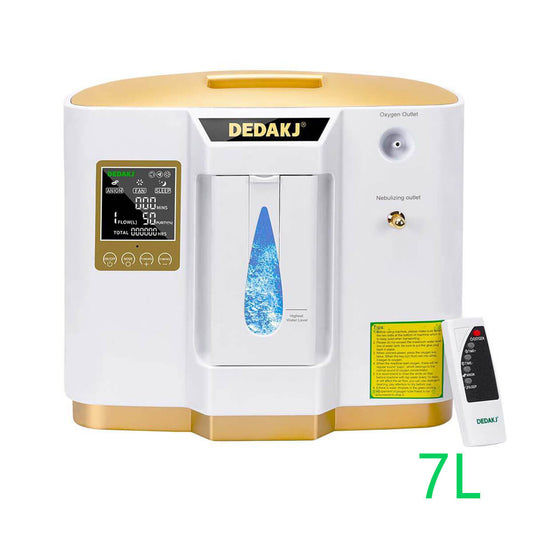
DE-2A — Concentrador de oxígeno doméstico
- Rango de flujo de oxígeno ajustable
- Diseñado para uso doméstico a largo plazo
- Función nebulizadora
- Nivel de ruido de aproximadamente 45 dB
- Adecuado para usuarios que buscan una máquina de oxígeno doméstica versátil
Concentradores de oxígeno portátiles de la serie Y
Modelos como el Y5 y el Y7 se centran en la portabilidad y la movilidad. Están diseñados para usuarios que necesitan oxígeno suplementario mientras viajan o participan en actividades al aire libre.
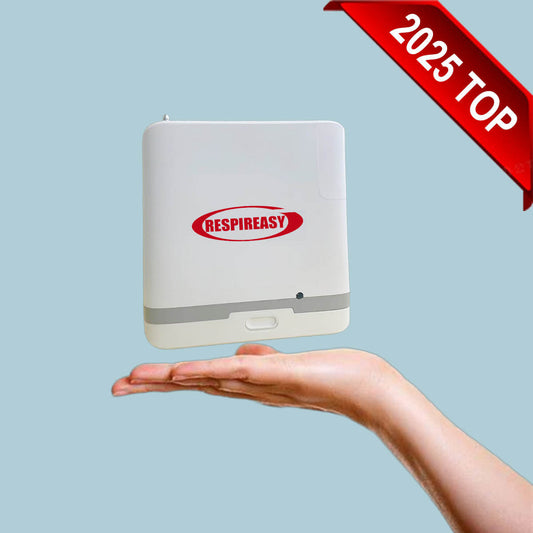
2. RESPIREASY
Sitio web oficial: RESPIREASY
Descripción general de la marca
RESPIREASY se enfoca en concentradores de oxígeno de grado médico, incluyendo soluciones de oxígeno domésticas y portátiles. Su gama de productos enfatiza la entrega estable de oxígeno, diseños compactos y portabilidad.
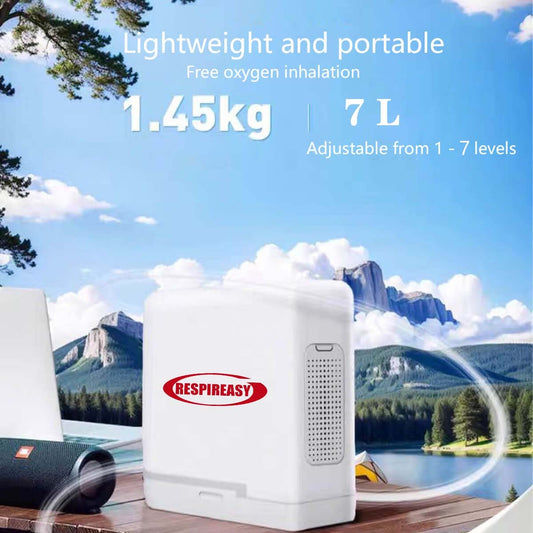
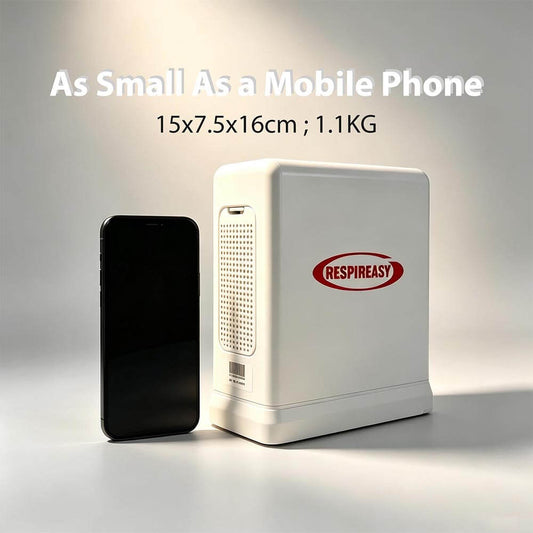
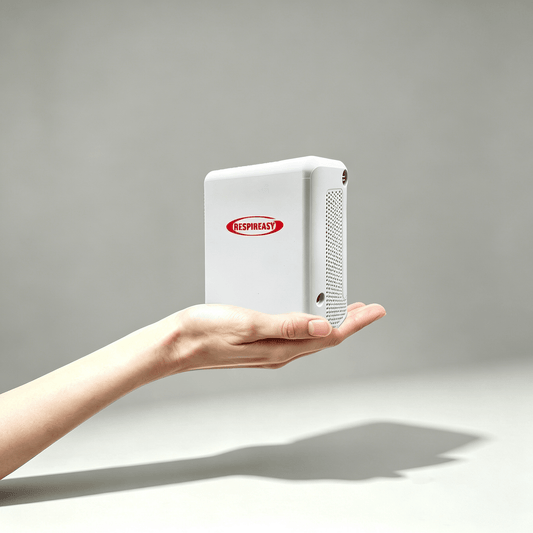
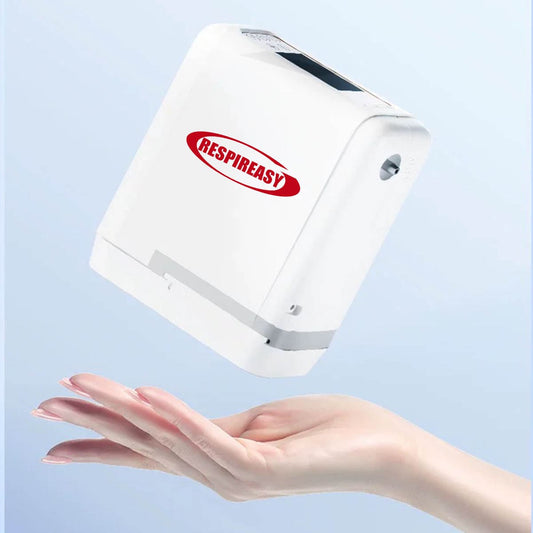
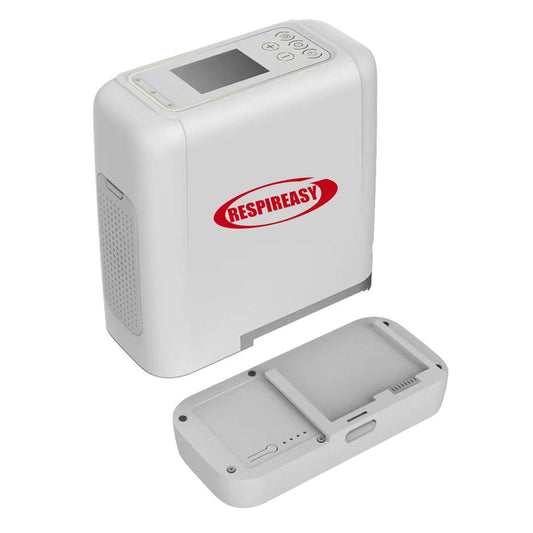
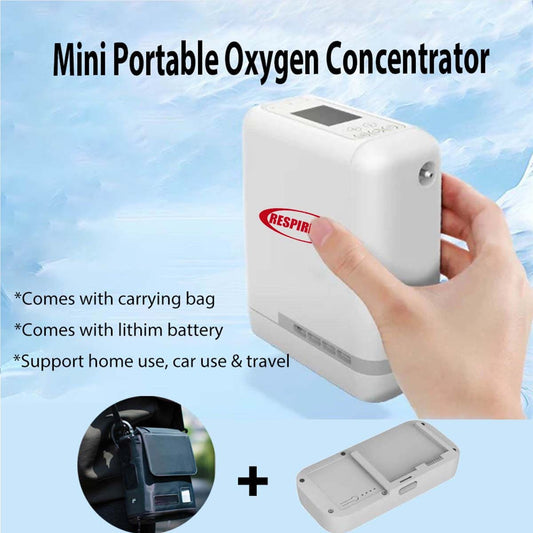
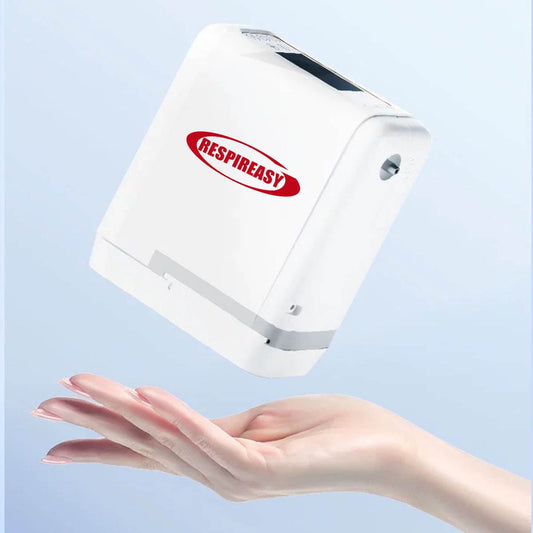
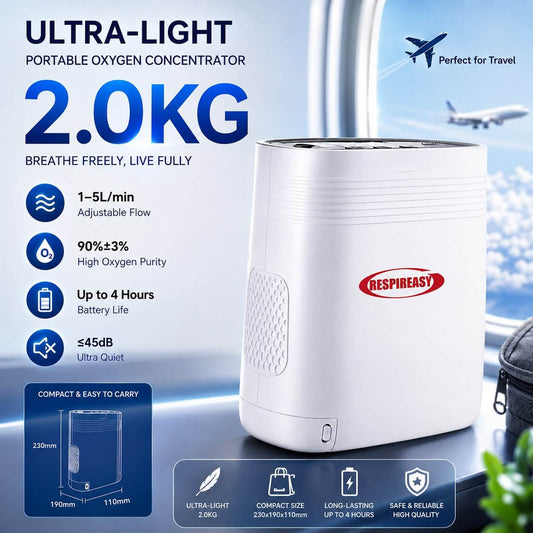
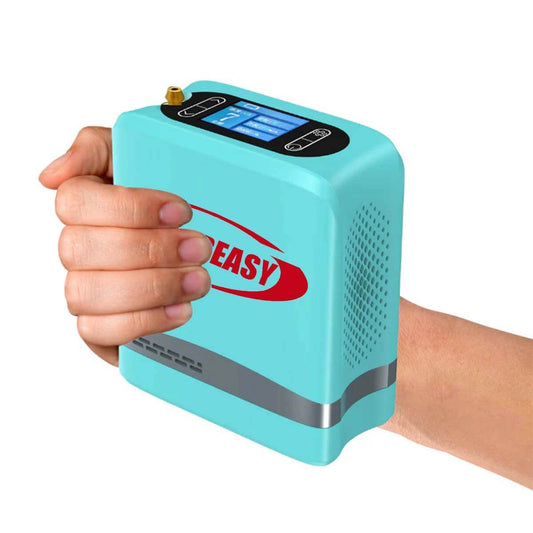
El concentrador de oxígeno portátil RE-Y7 está diseñado para usuarios que desean una solución liviana para viajar y la movilidad diaria, con un ruido de funcionamiento tan bajo como aproximadamente 38 dB.

Modelos populares de RESPIREASY
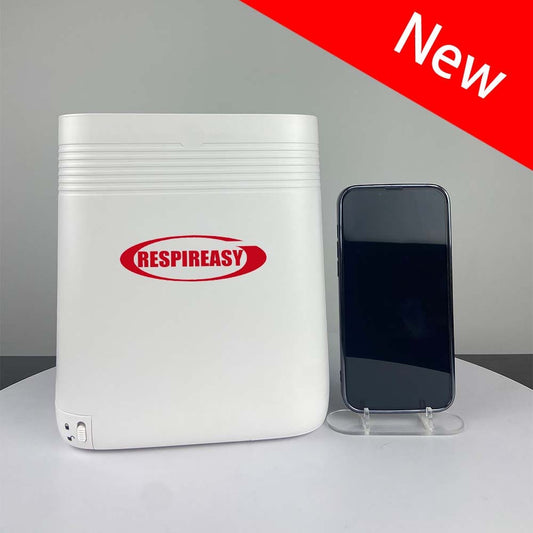
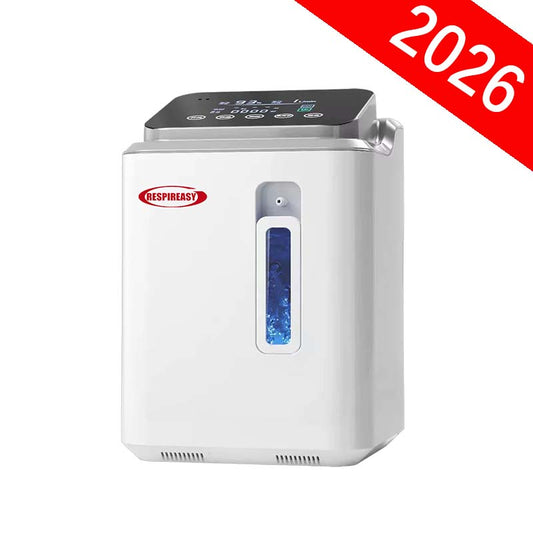
RE-Q1L — Nuevo concentrador de oxígeno doméstico 2026
- Flujo de oxígeno de 1–7 L/min
- Diseño de concentrador de oxígeno doméstico compacto
- Funciones de generación de oxígeno y nebulizador
- Diseñado como una opción mejorada para la oxigenoterapia domiciliaria

RE-Y7 — Concentrador de oxígeno portátil
- Aproximadamente 2 kg
- Suministro de oxígeno de dosis pulsada de 1–7 L/min
- Concentración de oxígeno: 93 % ± 3 %
- Batería de litio de grado médico
- Hasta 5 horas de duración de la batería, según las condiciones de funcionamiento
- Diseñado para uso de oxígeno portátil y viajes
Para viajes en avión, siempre verifique los requisitos actuales de la aerolínea y si el modelo específico de concentrador de oxígeno está aprobado o aceptado para su uso a bordo antes de viajar.
3. Mejores recomendaciones de concentradores de oxígeno por caso de uso
Elegir el mejor concentrador de oxígeno depende de la tasa de flujo de oxígeno prescrita, la frecuencia con la que necesita oxígeno, si necesita portabilidad y su estilo de vida.
Caso de uso 1: oxigenoterapia domiciliaria a largo plazo
Modelos recomendados:
DEDAKJ DE-2A o RESPIREASY RE-Q1L
¿Por qué?
Ambos están diseñados como concentradores de oxígeno domésticos de mayor flujo y están destinados a un uso doméstico prolongado.
Según la configuración específica, las características pueden incluir:
- Mayor capacidad de flujo de oxígeno
- Funcionamiento continuo o de larga duración
- Concentración de oxígeno estable dentro del rango especificado por el fabricante
- Funcionalidad de nebulizador
- Diseño para uso doméstico
Para pacientes con EPOC, fibrosis pulmonar u otras afecciones respiratorias, la tasa de flujo de oxígeno adecuada siempre debe ser determinada por un profesional de la salud.
Caso de uso 2: viajes, actividades al aire libre y movilidad diaria
Modelo recomendado:
Concentrador de oxígeno portátil RESPIREASY RE-Y7
¿Por qué?
El RE-Y7 está diseñado para usuarios que necesitan una solución de oxígeno más portátil.
Las características clave incluyen:
- Aproximadamente 2 kg
- Diseño compacto y ligero
- Bajo ruido de funcionamiento
- Administración de oxígeno por pulso
- Batería recargable
- Funcionamiento con corriente alterna
- Opción de alimentación con corriente continua/coche
- Hasta 5 horas de duración de la batería en condiciones especificadas
Esto lo convierte en una opción práctica para los usuarios que desean una mayor libertad para viajar, salir al aire libre o mantenerse activos mientras usan oxígeno suplementario.
Caso de uso 3: uso de oxígeno de bajo flujo u ocasional
Recomendado:
Un concentrador de oxígeno portátil de bajo flujo de la línea DEDAKJ
¿Por qué?
Para los usuarios que tienen una tasa de flujo de oxígeno prescrita relativamente baja y priorizan la portabilidad, un concentrador de oxígeno más pequeño puede ser más conveniente.
Sin embargo, no elija un concentrador de oxígeno basándose únicamente en el precio o el tamaño. El dispositivo debe proporcionar el flujo y la concentración de oxígeno necesarios para sus necesidades específicas.
Consejos finales de compra: cómo elegir el concentrador de oxígeno adecuado
Al buscar el mejor concentrador de oxígeno doméstico en 2026, no se concentre únicamente en el precio.
Antes de comprar, compare:
- Concentración de oxígeno
- Caudal máximo de oxígeno
- Suministro de flujo continuo frente a dosis pulsada
- Nivel de ruido
- Capacidad de funcionamiento 24/7
- Consumo de energía
- Capacidad y duración de la batería, si la portabilidad es importante
- Peso y dimensiones
- Capacidad de funcionamiento a gran altitud
- Garantía y soporte postventa
- Certificaciones de dispositivos médicos aplicables y estado regulatorio
- Compatibilidad con su oxigenoterapia prescrita
Lo más importante: siga su receta de oxígeno.
Si está considerando un concentrador de oxígeno para la EPOC, la fibrosis pulmonar, la enfermedad respiratoria crónica u otra afección médica, consulte a su médico o terapeuta respiratorio antes de comenzar la oxigenoterapia domiciliaria.
Su proveedor de atención médica debe determinar el flujo de oxígeno, la duración del uso y el plan de tratamiento adecuados. Nunca aumente o disminuya el flujo de oxígeno recetado basándose únicamente en cómo se siente.
El concentrador de oxígeno adecuado no es necesariamente el modelo más caro o el más potente. El mejor concentrador de oxígeno es el que cumple con sus requisitos de oxígeno recetados, proporciona una administración de oxígeno confiable y se adapta a su estilo de vida y necesidades de uso diario.