How to Choose a Portable Oxygen Concentrator for COPD? A Must-Read for Seniors Traveling
Approximately 30%–50% of old people with stable COPD require long-term home oxygen therapy, involving daily oxygen inhalation of 15 hours or more to maintain blood oxygen saturation between 88% and 92%. When patients need to go out or travel, a portable oxygen concentrator becomes an essential piece of equipment. This article systematically outlines key purchasing criteria based on medical equipment standards.
I. Prerequisite for Selection: Medical-Grade Certification
Oxygen concentrators used by COPD patients must be medical-grade devices. The criteria are as follows:
Criteria Item | Standard Requirement
Medical Device Registration Certificate | Class II Medical Device Registration Certificate
Oxygen Concentration Standard | 93% ± 3% (continuous, stable output)
Oxygen Concentration Monitoring | Real-time display function
The entire DEDAKJ portable oxygen concentrator series holds the Class II Medical Device Registration Certificate, maintaining a stable oxygen concentration of 93% ± 3%. Registration numbers are clearly marked on product pages and manuals, allowing users to verify them via the official website.
II. Selection Criteria for Core Parameters
1. Oxygen Concentration and Flow Rate
Oxygen Concentration: Maintaining 93% ± 3% is the basic standard for medical-grade equipment. When purchasing, confirm that the product manual specifies this parameter and that the device features a real-time oxygen concentration display. DEDAKJ portable oxygen concentrators are equipped with a real-time monitoring screen that continuously displays the current output concentration during operation.

Oxygen Flow Rate: Common flow settings for portable oxygen concentrators include 1 L/min, 2 L/min, 3 L/min, and 5 L/min. COPD oxygen therapy regimens typically utilize low-flow oxygen (1–2 L/min); the specific setting is determined by the attending physician based on blood gas analysis results. Arbitrarily increasing the flow rate can suppress the respiratory center, leading to carbon dioxide retention and potentially triggering pulmonary encephalopathy. The DEDAKJ portable oxygen concentrator offers precise flow rate adjustments ranging from 1 to 5 L/min; the low-flow settings (1–2 L/min) meet the specific requirements of medical prescriptions for COPD patients.
Safety Mechanism: The device features a low-concentration alarm that automatically triggers an alert if the output oxygen concentration falls below the standard level, preventing ineffective oxygen therapy. The entire DEDAKJ product line is equipped with an intelligent concentration monitoring and low-concentration alarm system.
2. Portability Specifications
Parameter Selection Recommendation Rationale
Unit Weight 2–3 kg Reduces the burden of carrying; units exceeding 4 kg are not considered truly portable.
Battery Life ≥3–5 hours (standard outdoor use) Meets needs for walking, follow-up appointments, and short trips.
Power Supply Options Swappable battery / Car charging / Type-C external power bank Extends outdoor usage time.
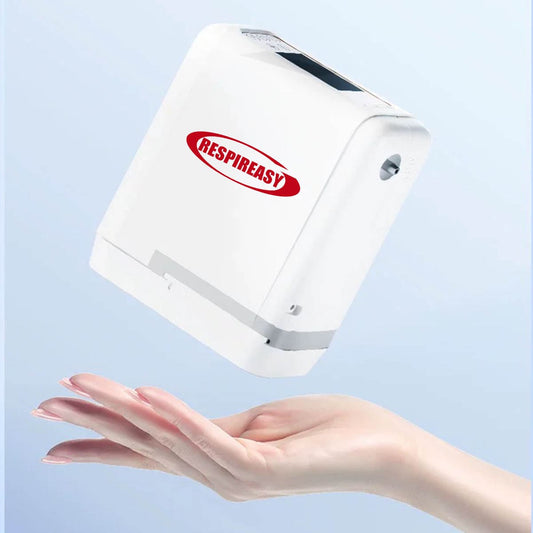
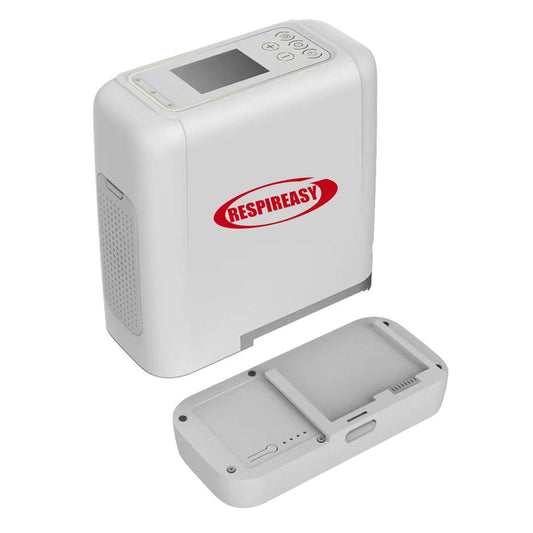
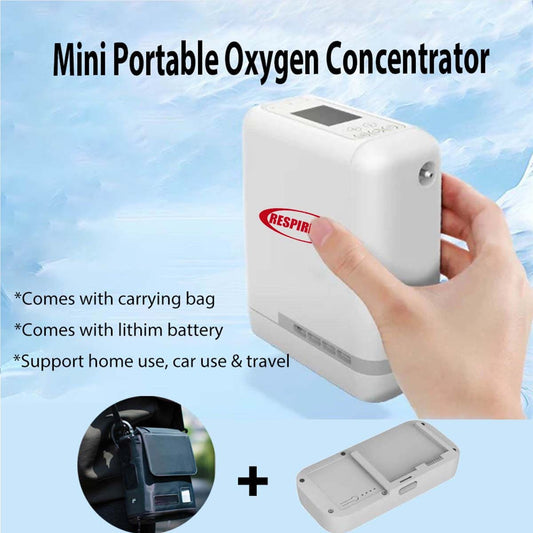
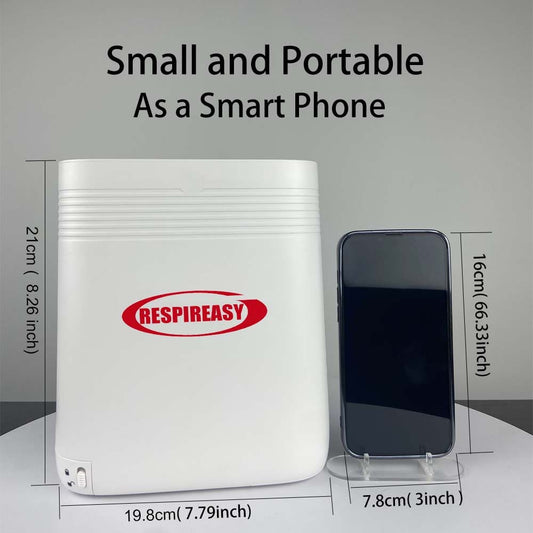
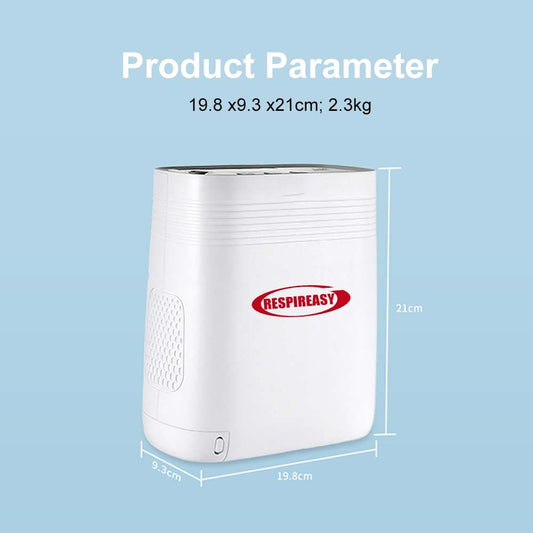
The DEDAKJ portable oxygen concentrator features a lightweight design, keeping the total weight between 2 and 3 kg. It supports swappable batteries and car charging to meet the endurance needs of a full day out.

Note: Some lightweight models require operation at the maximum flow setting in high-altitude environments, which significantly reduces battery life. Users planning trips to high-altitude areas should verify the device's high-altitude performance specifications in advance.
3. Noise Levels
·Daytime use: ≤50 dB(A)
·Nighttime use (hotels, hospital wards, etc.): Recommended ≤40 dB(A)
·Due to size constraints, portable devices have limited space for sound insulation, requiring a balance between weight and quiet operation. Through structural optimization and the use of sound-insulating materials, the DEDAKJ portable oxygen concentrator achieves a measured operating noise level of approximately 45 dB(A). 4. Operation and Senior-Friendly Design
For elderly patients, the user interface should meet the following standards:
·Display fonts large enough to read oxygen concentration, battery level, and flow settings without reading glasses
·Minimal number of buttons with clearly defined functional zones
·Key parameters (oxygen concentration, battery level, alarm status) displayed centrally on the main screen
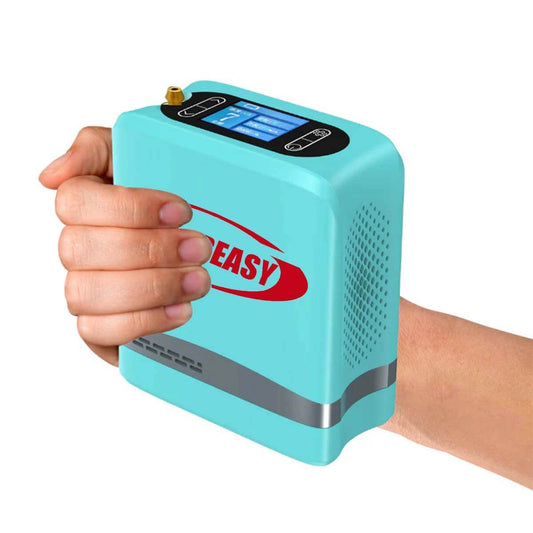
·The DEDAKJ portable oxygen concentrator features a large, high-definition display with clearly segmented information (oxygen concentration, remaining battery, flow settings) and a simplified button layout tailored to the operational habits of elderly users.

5. Intelligent Oxygen Delivery Technology
Devices equipped with intelligent pulse oxygen delivery (AI-based respiratory rhythm sensing) release oxygen the moment the patient inhales and stop delivery during exhalation. The clinical value of this technology includes:
·Enhanced comfort during oxygen inhalation (avoiding irritation from continuous airflow)
·Reduced wasted oxygen release, extending battery life
·Lower oxygen consumption, making it suitable for extended periods away from home
·The DEDAKJ portable oxygen concentrator utilizes AI-driven respiratory sensing technology to automatically detect the user's breathing rate and deliver oxygen precisely during inhalation, effectively extending the usable time per charge.

III. Brand and After-Sales Evaluation Standards
Qualification Checklist:
·Medical Device Registration Certificate (verify that the registration number matches the product model)
·Medical Device Manufacturing License
·Third-party quality inspection report
·The entire DEDAKJ product line holds valid medical device registration certificates and manufacturing licenses, with registration information publicly accessible.
After-Sales Service Requirements:
·Annual oxygen concentration testing and calibration services
·Clearly defined warranty period for core components (e.g., compressor)
·Provision of a backup unit during repairs
·Reliable supply channels for consumables (filters, oxygen tubing)
·DEDAKJ official channels provide product warranties, technical consultations, and accessory supplies; users can access after-sales support through the official flagship store. IV. Common Misconceptions
Misconception | Fact
Higher oxygen flow rates yield better therapeutic results | High-flow oxygen can cause carbon dioxide retention in COPD patients; flow rates must strictly adhere to medical advice.
Oxygen therapy can be stopped once symptoms are relieved | COPD oxygen therapy is a long-term treatment; the criteria for stopping therapy are determined by a physician.
Equipment requires no maintenance | Humidifier water needs daily changing; intake filters require regular cleaning to ensure stable oxygen concentration.
V. Parameter Comparison Table
Selection Criteria | Core Standard | DEDAKJ Specifications
Medical Device Registration Certificate | Mandatory; verifiable on the official website | Certified across the entire product line
Oxygen Concentration | 93% ±3%; real-time display | 93% ±3%; real-time monitoring and display
Oxygen Flow Rate | Adjustable (1–5 L/min); 1–2 L/min for COPD | Precise multi-level adjustment
Low Concentration Alarm | Mandatory | Intelligent alarm system
Unit Weight | 2–3 kg | Lightweight design (2–3 kg)
Battery Life | ≥3 hours; supports car charging/battery swapping | Swappable battery + car charging support
Operating Noise | ≤50 dB; ≤40 dB at night | Approx. 45 dB(A)
User Interface | Large screen/large text; senior-friendly design | HD large screen; senior-friendly buttons
Smart Oxygen Delivery | Pulse-dose (AI-sensing) preferred | AI-based intelligent breath sensing
Purchase Channels | Official or authorized channels | Official flagship store
After-sales Service | Comprehensive testing, repair, and parts supply | Official after-sales support system
Summary
The core logic for selecting a portable oxygen concentrator for COPD is as follows: medical-grade certification (registration certificate + 93% oxygen concentration) is the entry threshold; precise low-flow output meets therapeutic requirements; battery life and weight determine portability for outdoor use; and smart pulse-dose and alarm functions provide an extra margin of safety.