Oxygen Therapy Care in Chronic Obstructive Pulmonary Disease (COPD)

What is COPD?
Chronic Obstructive Pulmonary Disease (COPD) is a heterogeneous lung condition characterized by chronic respiratory symptoms—such as dyspnea (shortness of breath), coughing, and sputum production—resulting from abnormalities in the airways (bronchitis, bronchiolitis) and/or alveoli (emphysema). These abnormalities lead to persistent and progressive airflow obstruction.
How can daily preventive measures be taken?
Refrain from smoking; avoid exposure to secondhand smoke; avoid inhaling harmful gases or fumes; engage in regular physical exercise; and get vaccinated against influenza to prevent colds.
Key points for home oxygen therapy care?
Indications for home oxygen therapy
Criteria for long-term oxygen therapy:
Resting arterial partial pressure of oxygen (PaO₂) ≤55 mmHg or oxygen saturation (SaO₂) ≤88%; or PaO₂ between 56–59 mmHg accompanied by pulmonary hypertension, right heart failure, or polycythemia.
Hypoxemia (SpO₂ <90%) occurring during physical activity or sleep.
Selection of home oxygen therapy equipment
1. Oxygen supply equipment:
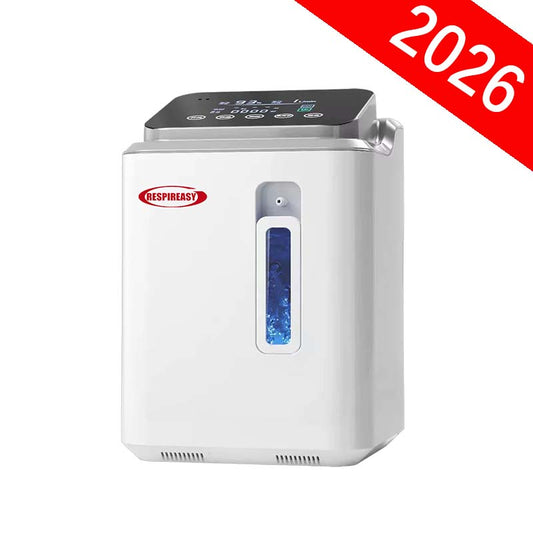
(1) Oxygen concentrator (preferred choice): Does not require frequent refilling and provides continuous oxygen supply, though it relies on a power source. As a professional manufacturer, DEDAKJ offers a full range of oxygen concentrators, from home-use and portable models to medical-grade units.

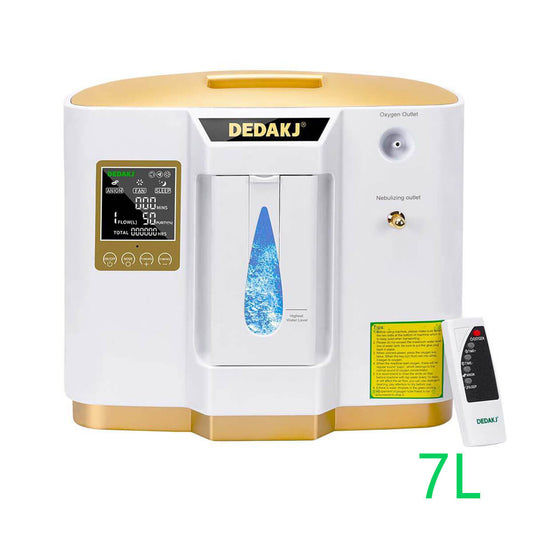
For example, the DEDAKJ RE-Q1L home oxygen concentrator is designed for domestic use.
- It features an adjustable continuous flow rate of 1–7 liters per minute and integrates a nebulization function, allowing for dual-purpose use. Key features include:
- Oxygen concentration up to 93%, a large touchscreen display, and an infrared remote control for easy operation by elderly users.
- A built-in humidification tank to moisturize the oxygen and prevent nasal mucosal dryness; low operating noise (below 48 dB), making it suitable for prolonged use at night.
- A net weight of approximately 6 kg (13.2 lbs) and a built-in handle for easy portability within the home.
(2) Oxygen cylinders: Suitable for backup use or during power outages (provides stable oxygen concentration and high purity, though long-term refilling costs can be high); requires periodic refilling.

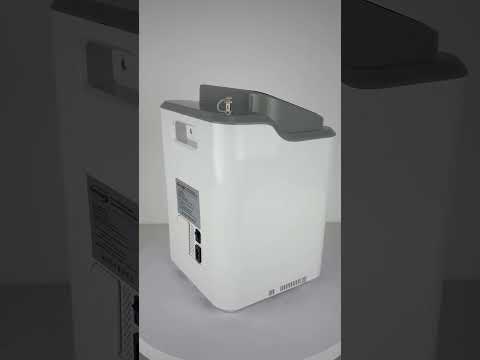
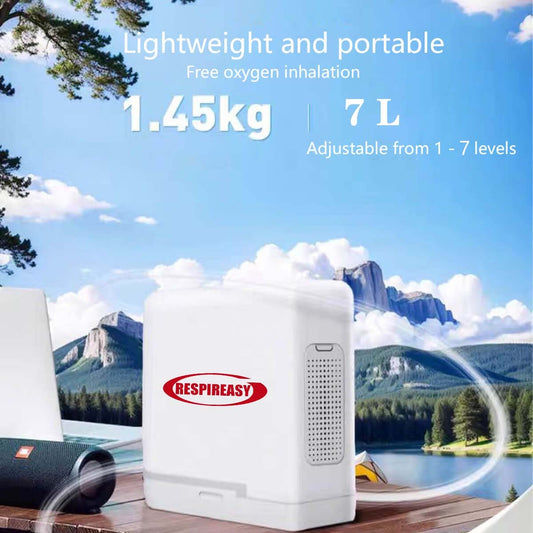
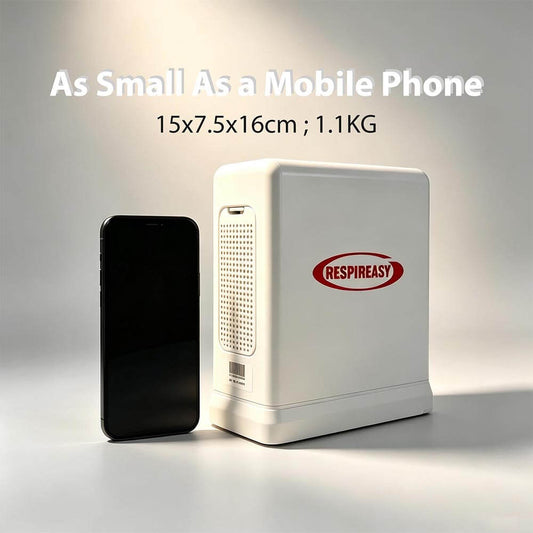
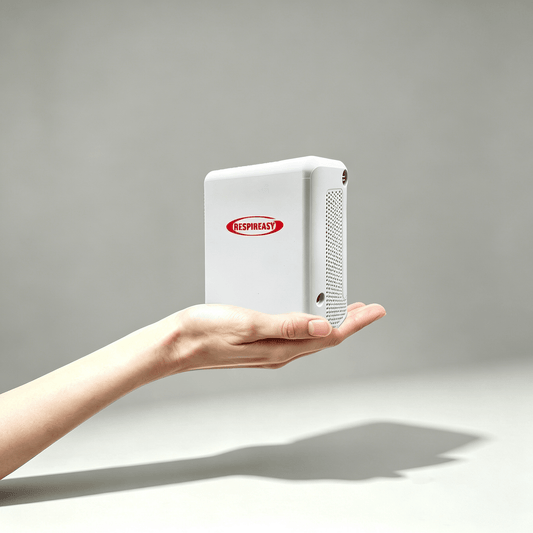
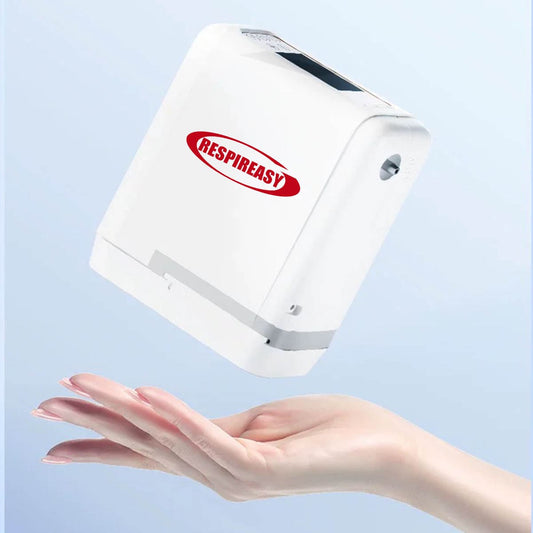
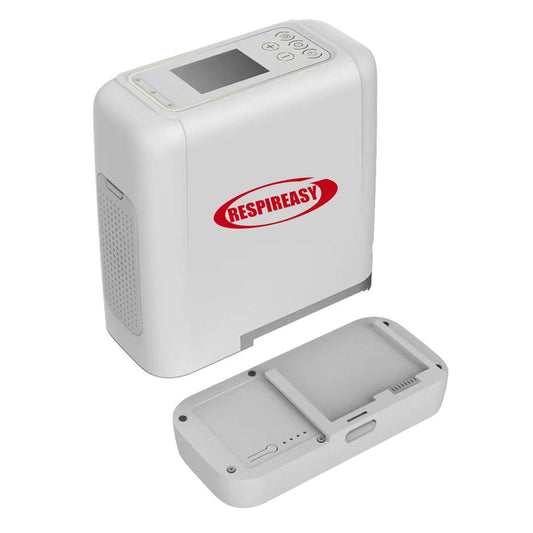
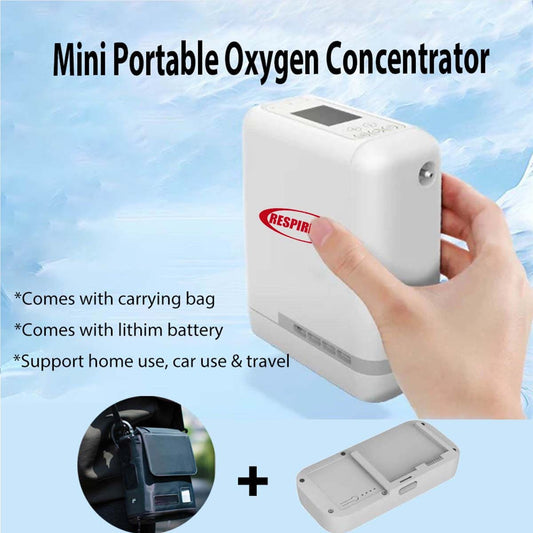
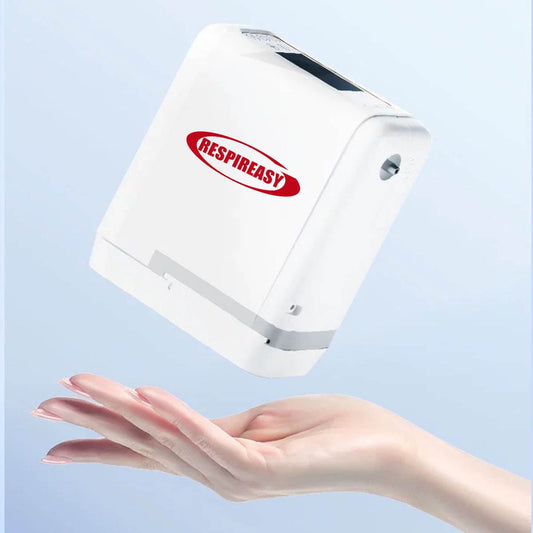
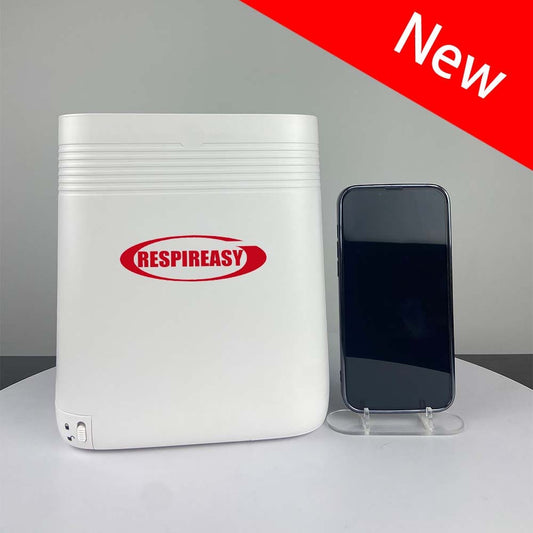
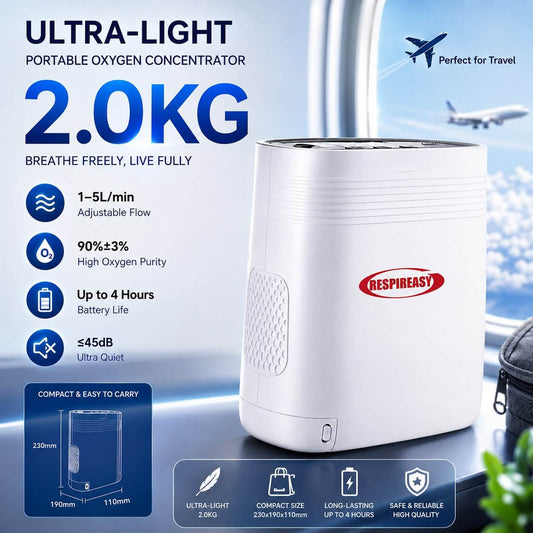
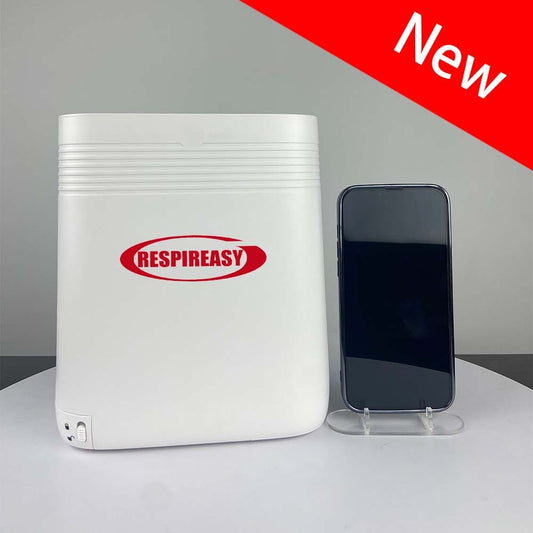
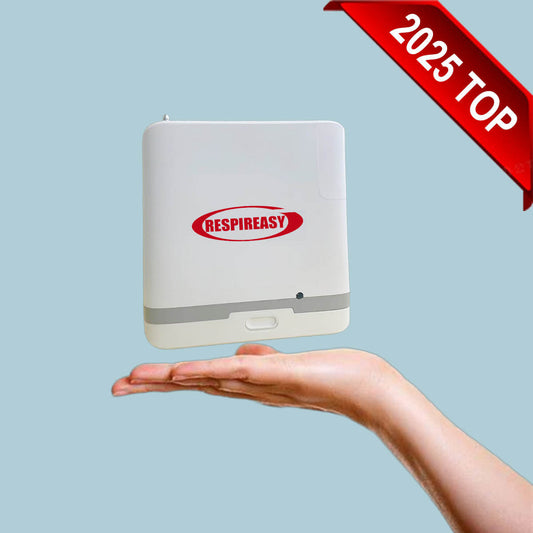
(3) Portable oxygen concentrators: Compact and capable of continuous oxygen supply, making them convenient for outings. For example, the DEDAKJ RES-6 series is designed specifically for travel and offers the following advantages:
- Ultra-lightweight design: The unit weighs only 2.4 lbs (approx. 1.1 kg) and measures 5.9" × 2.9" × 6.3"; it comes with a portable backpack for easy carrying.
- Oxygen delivery: Available in versions with flow rates of 1–4 L/min, 1–5 L/min, or 1–6 L/min, delivering oxygen concentrations up to 93%.
- Built-in 10,000mAh high-capacity lithium battery: Provides 2–4 hours of operation on a full charge and supports three power sources—household AC (100–240V), vehicle DC (12–15V), and battery power—catering to home, in-car, and outdoor travel scenarios.
- Extremely low operating noise: Approximately 30 decibels, ensuring no disturbance when used in public or during sleep.
2. Oxygen delivery devices:
(1) Nasal cannula: Suitable for low-flow oxygen therapy; offers high comfort, though attention should be paid to protecting the skin at the contact points.
(2) Oxygen reservoir mask: Used when higher oxygen concentrations are required; however, be aware of the risk of CO₂ retention (use under medical guidance).
Guidelines for home oxygen therapy
1. Oxygen flow rate adjustment:
- Goal: Maintain blood oxygen saturation (SpO₂) between 88% and 92%.
- Initial setting: 1–2 L/min (via nasal cannula); do not arbitrarily increase the flow rate (rates >5 L/min may suppress the respiratory drive).
2. Daily oxygen therapy duration:
Administer oxygen for more than 15 hours per day; oxygen therapy must not be interrupted during sleep at night, as continuous low-flow oxygen therapy can reduce mortality rates. Home Care Guidelines
1. Safe Usage:
- Fire and Explosion Safety: Keep away from open flames and heat sources (e.g., gas stoves, lighters); smoking is strictly prohibited.
- Equipment Maintenance: Oxygen filters and filter pads require timely replacement; oxygen tubing should be changed daily. Genuine accessories, such as air filter screens, are available via the official DEDAKJ website to ensure proper maintenance.
- Humidification Bottle: Change the distilled water daily to prevent bacterial growth. The DEDAKJ RE-Q1L model features a built-in humidification tank that requires regular cleaning.
- Backup Power: Equip the oxygen concentrator with a UPS (Uninterruptible Power Supply) to handle power outages, and keep an oxygen cylinder as an emergency backup. For portable models (e.g., the RES series), the built-in battery serves as an emergency oxygen source during short-term power outages at home.
2. Daily Monitoring:
- Blood Oxygen Saturation: Monitor SpO₂ daily using a pulse oximeter (during rest, activity, and sleep).
- Watch for CO₂ Retention: If symptoms such as drowsiness, headache, or confusion occur, immediately reduce the oxygen flow rate and seek medical attention.
3. Comfort and Convenience:
- Extended Tubing: Use 5–7 meter long tubing to facilitate movement within the home.
- Nasal Care: Choose an oxygen concentrator with a humidification tank; humidified oxygen prevents nasal mucosa from drying out and bleeding. Apply Vaseline if necessary.
4. Safety Precautions:
- Fire and Explosion Safety: Keep away from open flames and heat sources (e.g., gas stoves, electric heaters).
- Fall Prevention: Secure oxygen tubing to prevent tripping hazards.
- Effectiveness Monitoring: Observe symptom improvement (e.g., reduced shortness of breath, disappearance of cyanosis) and undergo regular arterial blood gas (ABG) re-examinations (initially at 3 months and 12 months, then annually thereafter).

Additional Information on DEDAKJ Brand and Product Advantages
DEDAKJ is a professional oxygen concentrator supplier established in 1953. Its products hold international certifications such as ISO, CE, and RoHS, ensuring quality for home oxygen therapy.
Extensive Product Line: Offers a wide range of products, from 1–9 liter home-use concentrators to portable models suitable for travel; some models also integrate nebulization functions, offering multi-purpose utility in a single device. Quiet Design: Low operating noise (approximately 30–45 decibels for some models), minimizing disruption to nighttime rest.
User Feedback: Real users report that the device is easy to operate, provides stable oxygen concentration, and is lightweight yet durable, effectively improving quality of life.
Contact DEDAKJ Office

Buy DEDAKJ Portable Oxygen Concentrators
-
DEDAKJ 2-9L/min Oxygen Concentrator Machine 93% Purity O2 Portable Home Use Oxygen Concentrator with Nebulization 110V/220V
Regular price From $366.99 USDRegular priceUnit price per -
2026 DEDAKJ Small Lightweight Oxygen Concentrator 7 Liter 93% Purity Mini Portable O2 Generator Oxygen Machine with Lithium Battery
Regular price From $781.98 USDRegular priceUnit price per -
DEDAKJ 1.1kg Lightest Portable Travel Oxygen Concentrator 1-6L Mini O2 Generator Battery Powered Oxygen Making Machine with Backpack
Regular price From $587.98 USDRegular priceUnit price per$2,100.00 USDSale price From $587.98 USDSale -
DEDAKJ 7Liters Small Portable Oxygen Concentrator Rechargeable 93% Purity Oxygen Generator Machine Mobile for Travel with Battery
Regular price From $781.98 USDRegular priceUnit price per -
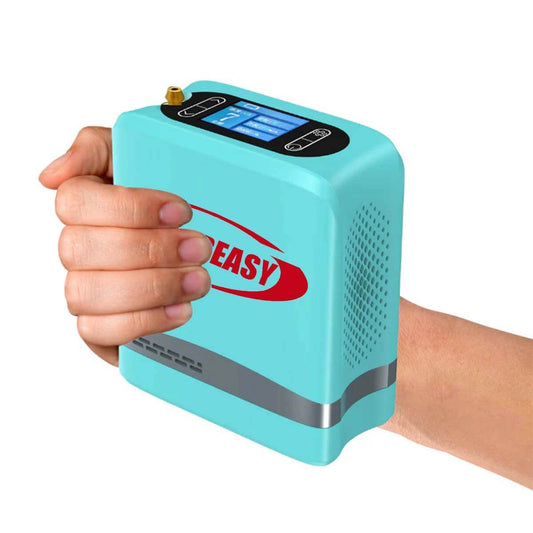
Buy DEDAKJ 1-7 Liters Handheld Portable Oxygen Concentrator 93% High Purity Small Oxygen Concentrator Machine with Battery for Outdoor Travel
Regular price From $781.98 USDRegular priceUnit price per$3,600.00 USDSale price From $781.98 USDSale -
DEDAKJ Portable Oxygen Concentrator 5 Liter Continuous Flow Rate Mini Size Rechargeable POC Oxygenerator O2 Making Machine with 6700mA Battery
Regular price From $786.98 USDRegular priceUnit price per -
2026 DEDAKJ Small Portable Oxygen Concentrator 7 L/min 93% High Pure Oxygen Rechargeable Battery Powered Compact Oxygen Making Machine for Home & Outdoor Use
Regular price From $889.98 USDRegular priceUnit price per$2,285.00 USDSale price From $889.98 USDSale -
DEDAKJ Mini Portable Oxygen Concentrator 3-4L Lightweight Compact Mobile Oxygen Concentrator with Rechargeable Battery ( Used in Car, Freight, Outdoors)
Regular price From $299.98 USDRegular priceUnit price per$873.80 USDSale price From $299.98 USDSale -
DEDAKJ Portable 2L-9Liters Home Continuous Oxygen Concentrator High Concentration Adjustable Flow Rate Oxygen Concentrator Machine
Regular price From $366.99 USDRegular priceUnit price per$559.00 USDSale price From $366.99 USDSale -
DEDAKJ 1-7 Liter Home Oxygen Concentrator Continuous Flow Oxygen Generator Portable Oxygen Making Machine 110V/220V DE-1LW
Regular price $389.97 USDRegular priceUnit price per$599.00 USDSale price $389.97 USDSale -
DEDAKJ Mobile Portable Oxygen Concentrator 4-6 Liter 2 Pounds Battery Powered O2 Oxygen Machine Small Oxygen Concentrator
Regular price From $587.98 USDRegular priceUnit price per$2,100.00 USDSale price From $587.98 USDSale -
TOP DEDAKJ 9L Light Weight Powerful Portable Oxygen Concentrator Machine 95% Purity Small Size O2 Concentrator Rechargeable
Regular price From $2,358.99 USDRegular priceUnit price per$6,600.00 USDSale price From $2,358.99 USDSale